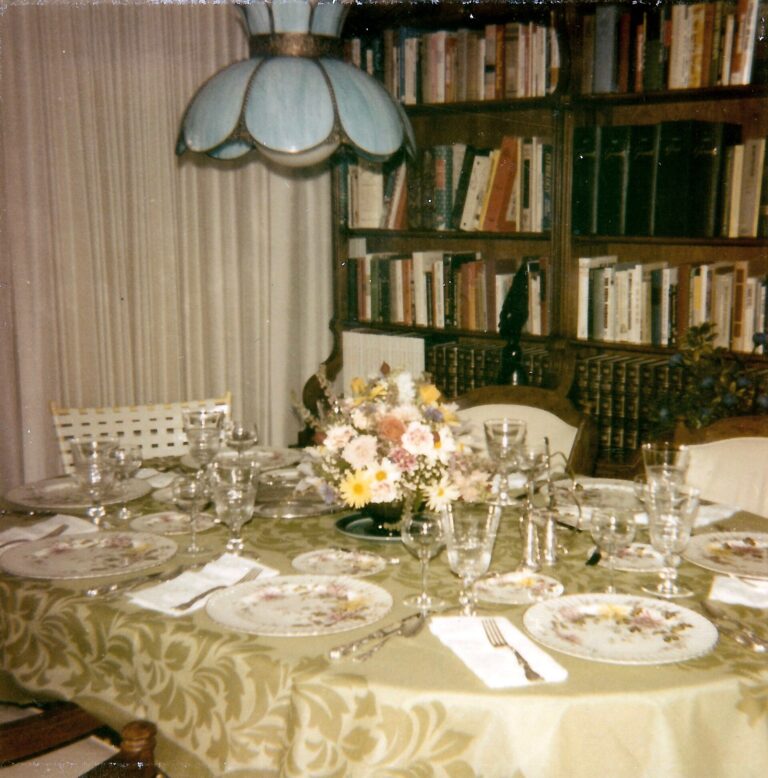
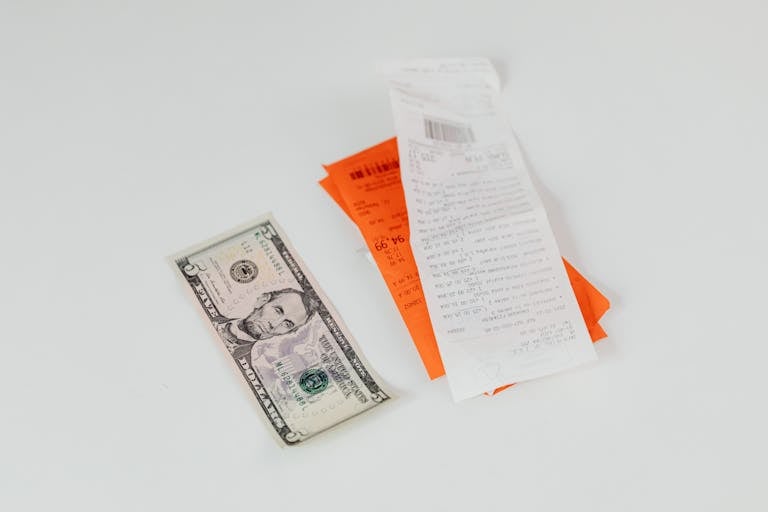
The plates are cleared, the coffee cups are empty, and the check lands on the table. For many diners, that little folder brings a quiet debate about how the evening went and whether the server earned the full tip after a slow refill or a forgotten side dish.
One reader put that exact question to Miss Manners, the long-running etiquette column, and the answer published on November 23, 2026, was firm. A tip is not a report card, the column said, and even a server who hovers, interrupts and grabs plates too soon should still receive the expected minimum, with any extra reserved for service that truly shines.

The diner’s question: hold back part of the tip?
The letter, published in the Miss Manners column on ArcaMax under the headline “Until The System Is Fixed, Keep Tipping — Generously,” came from a diner with a clear personal policy. The writer compared restaurant service to any other job, where workers who want a raise or promotion are expected to perform at a certain level. By that logic, the reader said, a server who does not make the effort should not be rewarded with a full gratuity.
The reader also drew a line that many restaurant regulars will recognize. Long waits for food would not count against the server, since the kitchen controls that part of the meal. And the letter closed with a broader point: restaurant workers, the reader argued, should be paid a living wage by their employers rather than relying on customers to fill the gap.
Plenty of diners keep a mental checklist of their own, from sticky menus to staff who disappear for half an hour, and a frenzhub.com roundup of red flags that scream run when dining at a restaurant shows how quickly small lapses add up in a customer’s mind. Diners can cross lines too, as a separate frenzhub.com list of outrageous reasons people were kicked out of restaurants makes clear.
Miss Manners: a tip is neither a prize nor a penalty
The column, written by Judith Martin with Nicholas Ivor Martin and Jacobina Martin, agreed with the reader on one thing and pushed back on the rest. Yes, fair pay matters, the response said, and that is exactly why diners should stop seeing a tip as a reward, or a smaller one as punishment. Most workers do not see their wages cut because they had a rough shift or met an unhappy customer.
Instead, the column suggested that frustration belongs with the system itself, one in which restaurants keep menu prices lower by leaving part of their staff’s pay up to customers. The response noted, with a characteristic dry touch, that diners already understand the menu price plus the tip is simply the real price of the meal. Diners who like to plan, the kind described in a craftingyourhome.com piece on people who look up the menu before going to a restaurant, tend to do that math before ordering anyway.
Judith Martin has written as Miss Manners since 1978, according to her Wikipedia biography, and the column has long framed tipping as part of the cost of eating out rather than a grade. That view sits alongside other American dining habits that puzzle visitors, several of which appear in a frenzhub.com look at odd American traditions that confuse the rest of the world, where tipping is a familiar source of confusion for travelers. Holiday gatherings raise the same questions at home, and a craftingyourhome.com rundown of Thanksgiving guest manners the Emily Post Institute still recommends covers the at-home version of being a gracious diner.

The middle ground: a base tip plus a bonus
Where the column did meet the reader halfway was on extra money for great service. If the reader’s real habit is to leave the basic tip for any service and add a bonus when pleased, Miss Manners said she had no problem with that approach.
The firm line came next. Even a waiter who interrupts conversation, leans across the table to serve and clears plates before everyone has finished should still receive the expected minimum, the column said. In other words, the floor stays the floor, and generosity above it is where diners can reward a server who made the night better.
That expected minimum has a fairly clear shape in the United States. The Emily Post Institute tipping guide lists 15 to 20 percent of the pre-tax bill for sit-down wait service and 10 percent at a buffet. Diners who plan ahead often build that range into the budget before they even sit down.
Why the server’s pay depends on the tip
Part of the reason etiquette writers defend the minimum is how restaurant pay works. Under federal rules explained by the U.S. Department of Labor’s tipped employee page, employers may pay tipped workers a cash wage as low as $2.13 an hour, as long as wages plus tips reach the federal minimum wage. Many states set higher floors, but the basic setup means the tip is a built-in part of a server’s income, not an optional extra.
The Wikipedia overview of gratuity traces how tipping customs differ around the world, and the American model stands out because so much of a server’s take-home pay rides on the customer’s decision at the end of the meal. That is the system the Miss Manners column suggested diners take issue with, rather than the person carrying the plates.
Complaints are still allowed, with fairness
None of this means diners have to stay silent about a poor experience. The column was clear that customers are free to complain about bad service. It added one important condition: a fair complaint takes the circumstances into account.
That fits the reader’s own instinct about kitchen delays. A packed dining room on a holiday weekend, a short-staffed shift, or a slow grill line can all make a server look inattentive when the real problem sits elsewhere. Speaking politely with a manager about a specific issue gives the restaurant a chance to fix it, while a shaved tip mostly lands on one worker’s paycheck.
For diners heading out this holiday season, the Miss Manners formula is simple to remember. Leave at least the standard tip every time, add a little more when the service earns it, and save any frustration for a calm word with the manager or for the bigger debate over how restaurant workers are paid.
This article was produced with AI assistance and edited for accuracy against the sources linked above.
Image: David E. Lucas – Public domain/Wikimedia Commons