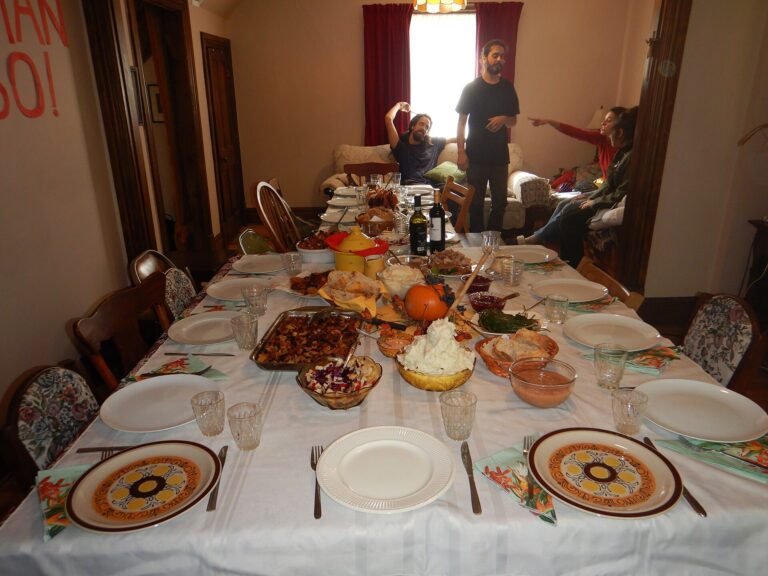
The day after Thanksgiving is when many kitchens finally get a good look at the back of the pantry. Behind the cranberry sauce cans sit a bottle of hot sauce from a summer cookout, a jar of vinegar of uncertain age and a canister of bread crumbs left over from last year’s casserole.
A pantry storage chart from Clemson Cooperative Extension shows how differently those items hold up. Hot sauce such as Tabasco, vinegar and Worcestershire sauce are listed at 30 months in tightly sealed containers, while bread crumbs are listed at just 4 months. The rest of the chart has a few more surprises worth knowing before the holiday baking starts.

Hot sauce, vinegar and Worcestershire: 30 months
The Clemson Home and Garden Information Center pantry fact sheet groups Tabasco, vinegar and Worcestershire sauce together at 30 months, the same window for all three. All three are sharp, acidic sauces, which is part of why they last so long on a shelf. The times on the chart apply to foods kept in tightly sealed containers in a cool, dry pantry. The chart lists vinegar as a single category, so the same 30 months applies whether the bottle holds distilled white vinegar for pickling, apple cider vinegar for a slaw or red wine vinegar for salad dressing.
Each of these bottles has a long history in American kitchens. Worcestershire sauce dates to 19th-century England and became a standard in steak sauces, marinades and party snack mixes. Tabasco sauce has been made on Avery Island in Louisiana since the 1860s. Splashing hot sauce on everything from eggs to pizza is one of those odd American traditions that confuse the rest of the world.
A bottle bought for one recipe can easily outlast several holiday seasons. That makes these sauces some of the best values in the pantry, right alongside the budget foods that even the wealthy eat.
Bread crumbs: just 4 months
At the other end, Clemson lists bread crumbs at 4 months. That is one of the shortest times on the entire chart, shorter than baking mix at 6 months and far shorter than the condiments. In practice, an old canister tends to taste flat or stale long before it looks any different.
That matters this week, when bread crumbs show up in stuffing, green bean casserole toppings and breaded leftovers. A canister bought for last year’s holiday cooking is well past the 4-month mark. Bread crumbs are easy to make at home from leftover bread, so stale rolls from Thanksgiving dinner can become a fresh batch rather than going to waste. The usual method is to tear day-old bread into pieces, dry it in a low oven until crisp, then pulse it in a food processor or crush it in a sealed bag. A small batch made as needed sidesteps the 4-month clock entirely.
Keeping track of what is in the cupboard is half the battle. The frenzhub.com guide to best practices for seasonal storage covers the habits that keep older items from getting buried, and craftingyourhome.com’s look at people who write a grocery list before every shopping trip shows why a quick pantry check before shopping pays off. Stocking up on shelf-stable food has also been in the news, as a craftingyourhome.com report on how Americans stockpile canned food and water explains.

Coffee, tea, tapioca and spices in between
The same Clemson chart lists a range of other pantry items between those two extremes. Canned coffee is listed at 12 months and tea at 18 months. Whole spices last 4 to 5 years, while ground spices and herbs are listed at 2 to 3 years. Tapioca, a staple of old-fashioned puddings, is listed at 4 years.
The chart also lists cereals and dry soup mixes at 12 months, honey and syrups at 1 year, and chocolate chips and cocoa at 18 months. For holiday bakers, the spice rack deserves a quick look: ground cinnamon, nutmeg and ginger bought several years ago may have lost much of their flavor, even if they look fine.
Why heat and humidity cut the times short
Clemson adds an important caution. High temperature or humidity can reduce storage time considerably, so a pantry next to the oven or a cabinet above the dishwasher may not deliver the full 30 months for a bottle of vinegar or the full 4 months for bread crumbs. The chart’s times are based on a cool, dry pantry at about 65 to 70 degrees Fahrenheit.
The fact sheet also notes that pantry foods may remain safe beyond the recommended storage time, but their flavor and texture will decline. In other words, the dates on the chart are about quality. Storing items in glass, metal or rigid plastic containers can also help keep out pests, according to Clemson.
Where the numbers come from
Clemson’s chart draws on several sources, including the federal FoodKeeper app, which lists storage times for hundreds of foods in the pantry, refrigerator and freezer. The app is free and easy to search on a phone while standing in front of the cupboard.
For a quick post-holiday clean-out, the rule of thumb is simple. Keep the hot sauce, vinegar and Worcestershire, which have years left in them. Check the date on the bread crumbs and baking mixes. And write the purchase date on anything new that goes into the pantry, so next November’s clean-out is a little easier.
This article was produced with AI assistance and edited for accuracy against the sources linked above.
Image: Tiia Monto – CC BY-SA 3.0/Wikimedia Commons