A simple photo shared online can now become something completely different within seconds. Artificial intelligence tools have made it possible to create realistic fake images of real people, raising urgent questions about privacy, consent and digital safety.
That growing concern has placed Minnesota at the center of a national debate, with Prince Harry and Meghan Markle supporting new restrictions while Elon Musk’s xAI challenges the law in court.
The dispute brings together some of the biggest names in technology, entertainment and public advocacy. Harry and Meghan argue that AI companies must do more to prevent harmful uses of their products, especially when women and children are targeted. xAI says governments must protect people from abuse while also ensuring new regulations do not limit lawful speech and innovation.
The battle is not simply about a disagreement between famous figures. It represents a larger struggle over who should be responsible when artificial intelligence creates new ways to harm individuals. As lawmakers move faster to address AI risks, courts will now decide how far those protections can legally go.
Harry And Meghan Enter the Growing Debate Over AI Safety

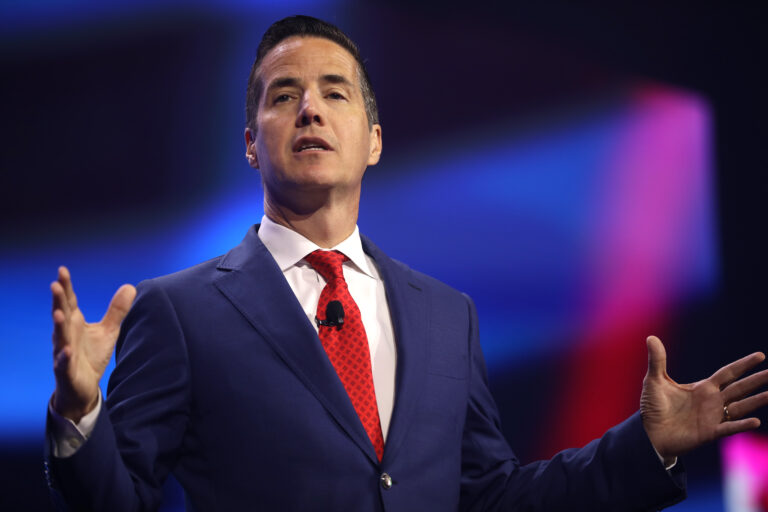
Mark Jones, CC BY 2.0, via Wikimedia Commons
Prince Harry and Meghan Markle joined the conversation after praising Minnesota’s decision to restrict certain AI generated sexual images. In a statement published through their official website, the couple described the law as an important step toward protecting people in the digital age.
They argued that technology companies should prioritize safety when their products can be used to exploit vulnerable individuals.
The couple has spent years speaking about the dangers they believe online platforms can create for families and young people. Their latest statement continues to work by connecting artificial intelligence with broader concerns about online harm. They say parents and communities should not be left alone to deal with problems created by powerful technology systems.
Although Harry and Meghan did not directly mention Elon Musk by name, their criticism focused on xAI and its Grok artificial intelligence platform. They accused major technology companies of protecting profits instead of taking stronger action against harmful uses of their tools. Their comments placed additional attention on a legal dispute already drawing national interest.
The Sussexes have become increasingly involved in conversations about digital responsibility and online protection. They have previously spoken with families affected by online harm and argued that technology companies must take greater responsibility. Their involvement has turned a complicated AI regulation debate into a global conversation.
Minnesota’s AI Nudification Law Targets Nonconsensual Images
Minnesota’s law focuses on a growing problem involving artificial intelligence tools that can create realistic fake sexual images of real people. The legislation aims to prevent platforms from allowing users to generate these images without consent. Supporters say the law addresses a dangerous gap in existing privacy protections.
The law became one of the first state efforts specifically targeting AI nudification technology. Minnesota lawmakers argued that traditional laws were not designed for a world where realistic fake images can be created almost instantly. They said victims need protection before harmful content spreads across the internet.
The issue has raised concerns because anyone can become a target. A person does not need to be a celebrity or public figure to experience the consequences of an AI generated fake image. A normal photograph from social media can potentially become material for harassment or exploitation.
Supporters of the law say the damage often begins before an image reaches a large audience. Victims may experience fear, embarrassment, and emotional distress simply knowing someone created a fake sexual image of them. They argue that prevention is more effective than trying to remove content after it has already circulated.
Why xAI Is Fighting Minnesota’s AI Restrictions
xAI has challenged Minnesota’s law because the company believes the legislation may go beyond preventing harmful behavior. The company argues that lawmakers must carefully separate illegal misuse from lawful uses of artificial intelligence technology. The legal challenge centers on whether the state created a regulation that is too broad.
The company does not dispute that nonconsensual sexual images can cause serious harm. Instead, xAI argues that governments must avoid restricting technology in ways that could affect protected forms of expression. The company’s position reflects a broader technology industry argument that innovation requires room for development.
The First Amendment debate is expected to play a major role in the case. Courts have recognized that governments can regulate certain harmful conduct, but restrictions on speech and expression must be narrowly written. The court must determine whether Minnesota’s approach meets that standard.
Minnesota officials argue that the law is focused on protecting individuals from a specific type of abuse. They say creating realistic sexual images of people without permission is not simply a matter of online expression. They argue that personal safety and privacy require stronger safeguards as artificial intelligence becomes more powerful.
The Human Cost Behind the AI Deepfake Problem
The most significant part of the debate involves people who may never have chosen to participate in it. AI deepfake technology allows someone’s identity to be copied and manipulated without permission. For victims, the experience can create lasting emotional and personal consequences.
Unlike older forms of digital editing, artificial intelligence has made realistic manipulation easier and faster. A person does not need advanced technical skills to create convincing fake images. That accessibility has increased concerns among privacy advocates and lawmakers.
Women and young people have been identified as groups facing risks from nonconsensual synthetic images. Advocates say these tools can be used for harassment, bullying, intimidation, and abuse. They argue that stronger protection is necessary because victims often struggle to regain control once images appear online.
The debate also raises difficult questions about responsibility. Some argue that users who misuse technology should face consequences. Others believe companies developing powerful AI systems must build stronger protections before harmful content is created.
Grok And the Larger Battle Over Artificial Intelligence
The controversy surrounding Grok has added pressure on technology companies developing artificial intelligence products. Critics argue that companies releasing powerful AI tools must anticipate possible misuse. They believe safety measures should be built into systems before problems occur.
Supporters of AI innovation warn that regulations must not prevent legitimate uses of emerging technology. They argue that the same tools capable of misuse can also support creativity, education, and communication. Their concern is that overly broad rules could slow development and limit beneficial applications.
This disagreement is becoming a central issue across the technology industry. Companies are being asked to explain how they prevent harmful uses while continuing to improve their systems. Governments are facing pressure to create rules that protect people without blocking innovation.
The Minnesota case could become an important test for future AI regulations. Other states may look to the outcome as they consider their own approaches to artificial intelligence safety. The final decision could influence how companies design and operate AI tools across the country.
What Happens Next in The xAI Lawsuit
The legal fight between xAI and Minnesota is still unfolding. A federal judge declined to immediately block the law, allowing it to take effect while the court considers the company’s broader arguments. The decision means the debate will continue through the legal process rather than ending at the first stage.
A future court hearing will examine whether Minnesota’s law should remain active while the lawsuit moves forward. The judge will consider arguments about public safety, free speech, and the scope of government authority. The outcome could determine whether the law becomes a model for other states or faces major changes.
The case has already become bigger than a dispute involving Harry, Meghan, and Elon Musk. It represents a national conversation about how society responds when technology develops faster than existing rules. The central question is whether current laws can protect people in an era of rapidly advancing artificial intelligence.
For supporters of Minnesota’s approach, the goal is preventing digital abuse before it happens. For xAI and technology advocates, the goal is to ensure regulation does not create restrictions that harm innovation. As artificial intelligence continues to evolve, the balance between safety and freedom will remain one of the defining challenges of the digital age.