For more than half a million low income children across America, Head Start is more than a preschool classroom. It is a place where children receive early learning, health screenings, developmental support, and family services.
Now, a proposed Trump administration overhaul could dramatically change how the program operates by reducing federal requirements and giving states more control over key standards.
The possible changes have sparked a national debate over what Head Start should guarantee for vulnerable children. Supporters of deregulation argue that local communities understand their needs better and that federal rules create unnecessary costs and paperwork.
Critics warn that weakening national standards could create a system where the quality of a child’s early education depends heavily on where that child lives.
The proposal has not been finalized, and current Head Start requirements remain in place. However, people familiar with the administration’s discussions say the plan could replace the program’s detailed federal performance standards with a much shorter set of rules. The change could shift many decisions about classrooms, safety requirements, and child services to states and local providers.
Head Start is facing its biggest potential transformation in decades
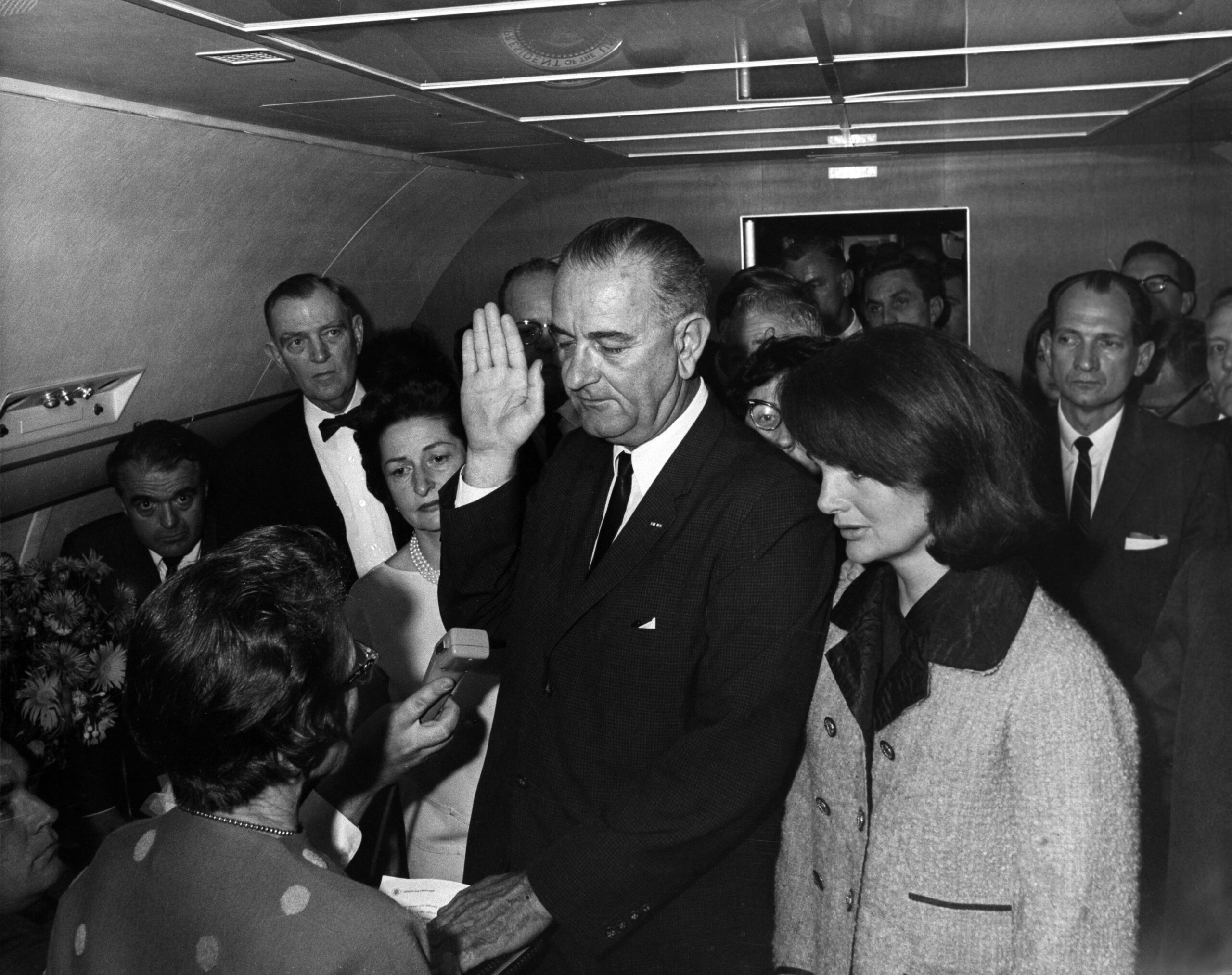
Cecil W. Stoughton, Public domain, via Wikimedia Commons
Head Start was created in 1965 as part of President Lyndon B. Johnson’s War on Poverty. The program was designed around the idea that children facing poverty often need more than academic instruction before entering kindergarten. It combined education with health services, family support, and community assistance.
Unlike traditional preschool programs, Head Start connects early learning with health care coordination, nutrition support, disability services, and family engagement. The program currently serves hundreds of thousands of infants, toddlers, preschool children, and pregnant women through local providers across the country.
For many families, it becomes the first place where childhood challenges are identified and addressed.
A child struggling with speech development may receive support before entering school. A child with vision problems may receive a referral for treatment. A parent facing unemployment or housing problems may receive help connecting with community resources.
That broader mission is why the possible overhaul has become such a major policy fight. The debate is not only about preschool classrooms or government paperwork. It is about whether a federally funded program should provide the same basic protections for children in every state.
Proposed rule changes could move power from Washington to states
The reported Trump administration plan would significantly reduce the size of Head Start’s federal rulebook. Current performance standards cover areas such as classroom organization, teacher qualifications, health services, disability support, family involvement, and child safety. The proposed rewrite would reportedly replace many requirements with fewer federal rules and rely more heavily on state and local regulations.
Supporters argue that communities should have more freedom to decide how early education programs operate. They believe local leaders understand workforce challenges, community needs, and regional differences better than federal officials. They also argue that fewer regulations could allow programs to spend more resources directly on children.
However, critics worry that fewer national standards could create a patchwork system. A child attending Head Start in one state could have access to strong classroom protections and extensive services. Another child in a different state could experience a very different program because local regulations may not provide the same level of oversight.
The concern is that a federal program with a national name could eventually mean different things depending on where a child lives. Supporters say local flexibility is necessary for programs to survive. Critics say flexibility should not remove basic protections for vulnerable children.
Classroom sizes and safety rules could become a major battleground
One of the biggest concerns involves classroom supervision. Current Head Start standards establish limits on classroom sizes and staff to child ratios to help ensure children receive proper attention. These rules are designed to help teachers identify developmental concerns, manage classrooms, and respond quickly during emergencies.
A preschool classroom is not only a place where children learn letters and numbers. It is also where adults monitor behavior, notice health concerns, and protect children who may struggle to communicate their needs. Small differences in supervision can have major consequences for young children.
The proposed rule would remove some federal requirements involving staff to child ratios and allow programs to follow state and local rules instead. Critics argue that safety standards should not depend on geography. Supporters respond that local programs need flexibility because communities face different financial and staffing challenges.
Health screenings and early intervention could face uncertainty
One of Head Start’s defining features is its focus on early identification of health and developmental problems. Current rules require programs to help children access medical, dental, and vision services. They also require programs to monitor development and connect families with additional support when concerns appear.
For some children, these screenings identify problems before they become larger challenges. A hearing issue discovered during preschool can affect language development. Untreated dental problems can affect eating, comfort, and concentration.
Supporters of the current system argue that these services are what make Head Start different from ordinary preschool. Critics argue that some federal requirements create administrative burdens that consume time and money. The debate centers on how to maintain quality while reducing unnecessary barriers for local providers.
Homeless families and unemployed parents could face new barriers
Another reported change involves documentation requirements for families. The proposal would reportedly require additional documentation from parents experiencing homelessness or unemployment. An earlier version of the plan also reportedly considered restrictions involving children whose parents lack legal immigration status, although it remains unclear whether those provisions will appear in the final rule.
For families living in unstable conditions, paperwork can become a major obstacle. A parent moving between shelters, temporary housing situations, or relatives’ homes may not have traditional documents available. Someone who recently lost a job may not have formal employment records that are easy to provide.
Head Start has historically focused on reaching families facing the greatest challenges. Critics argue that additional documentation requirements could make enrollment harder for the families after the program was designed to help. Supporters argue that programs need clear eligibility systems to maintain accountability.
Tribal communities raise concerns over language and culture
One of the most significant potential conflicts involves Tribal Head Start programs. Many Tribal programs use Head Start to preserve Indigenous languages through immersion programs and dual language classrooms. These programs view early childhood education as an important part of maintaining cultural identity.
A reported requirement that instruction be conducted in English could create tension with programs designed to protect Native languages. For Tribal communities, the issue is not simply about classroom instruction. It involves language preservation, cultural continuity, and the relationship between the federal government and Native nations.
Any change affecting Tribal programs would likely receive close attention from communities that have used Head Start for decades. Supporters of English instruction argue that children need strong language skills for academic success. Critics argue that preserving cultural languages should remain part of early education.
Children with disabilities could be affected by discipline changes
Head Start currently includes protections designed to support children with disabilities and prevent unfair exclusion. Federal standards limit suspensions and prohibit programs from removing children simply because they have challenging behaviors. Programs are expected to work with families, specialists, and support agencies before considering other options.
The reported overhaul reportedly does not include the same level of detail on suspensions and expulsions. Disability advocates worry that fewer federal protections could make it easier for programs to remove children who need additional support. They argue that children with disabilities should receive help rather than exclusion.
Supporters of more flexibility argue that local programs need tools to handle serious safety concerns. The challenge is finding a balance between protecting classrooms and ensuring children with disabilities are not pushed aside. That balance has become one of the most sensitive parts of the debate.
The administration argues the changes could protect access
The Trump administration has argued that federal regulations can increase costs and make it harder for programs to serve families. Officials have previously said some Head Start requirements could place financial pressure on local providers without additional funding from Congress. They argue that reducing regulations could give programs more flexibility.
That position has support among conservatives who believe education decisions should happen closer to communities. They argue that local leaders understand their challenges better than federal officials. They also believe fewer rules could help programs respond faster to local needs.
Critics argue that flexibility should not come at the expense of national protection. They believe federal standards exist because some children and families have fewer resources to advocate for themselves. The disagreement reflects a larger debate over the role of government in protecting vulnerable populations.
Head Start changes are not happening immediately
Families should not expect immediate changes at their local Head Start centers. The administration must first release an official proposed rule and allow the public to submit comments before any final regulation can be approved. Even after approval, implementation could take additional time.
Legal challenges could also delay or block parts of the plan. Until a final rule is issued, current Head Start standards remain in effect. Parents and providers will continue operating under existing requirements.
The coming months will determine whether the reported changes move forward. The process will likely involve debate from lawmakers, educators, advocacy groups, and families. The outcome could shape the future of early childhood education across America.
Head Start’s future could redefine what the program means
The possible overhaul would not eliminate Head Start. The program’s name, funding structure, and local centers would remain. However, critics argue that changing the rules could transform what the program represents.
For nearly six decades, Head Start has promised that children facing poverty should have access to early education and support services before entering school. Supporters of the overhaul say modernization is necessary. Critics say the changes could weaken protections built over generations.
The debate is not only about regulations written in Washington. It is about what families can expect when they walk through the doors of a Head Start classroom. The future of the program may depend on whether America chooses one national standard or a system shaped differently by every state.