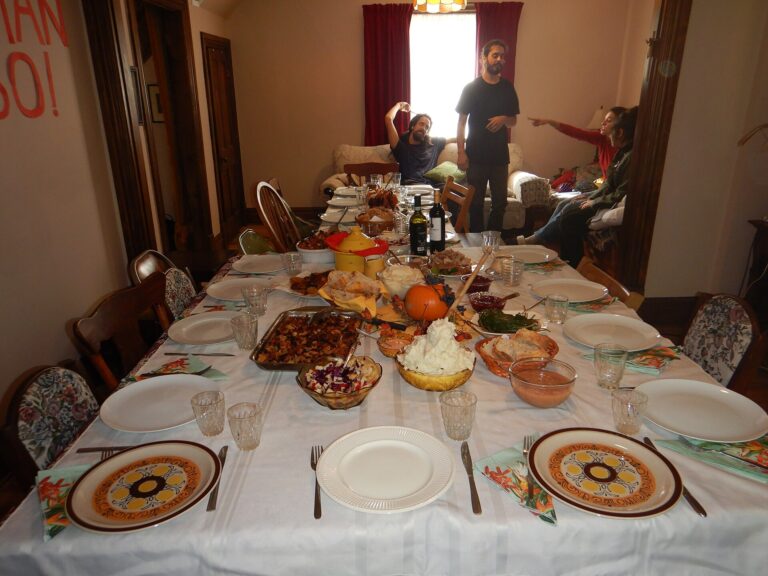
By Friday after Thanksgiving, the refrigerator holds a foil-covered platter, three containers of sides and a question nobody wants to guess at: how long will the turkey last in the freezer? The answer depends on the food, and the numbers can be surprising.
The FoodSafety.gov cold food storage chart gives cooked meat and poultry leftovers 2 to 6 months in the freezer, soups and stews 2 to 3 months, opened hot dogs 1 to 2 months and bacon only 1 month. The chart also says frozen food held at 0°F stays safe, so the times are about quality, not a deadline.

Leftover Turkey: 2 to 6 Months Frozen
According to the FoodSafety.gov cold storage chart, cooked meat and poultry leftovers keep 3 to 4 days in a refrigerator at 40°F or below and 2 to 6 months in a freezer at 0°F. The chart was last reviewed on Sept. 19, 2023. The practical advice is to freeze turkey within those first 3 to 4 days. Freezing leftovers in meal-sized portions is also a way to get more out of a grocery budget, a theme that runs through clever frugal living tips, since one bird can feed a household for more than one meal.
Other extension services give a bit more detail. North Dakota State University’s food freezing guide lists cooked turkey with gravy at 6 months and cooked turkey without gravy at 1 month, a reminder that moisture changes what the freezer does to texture. The University of Illinois Extension’s freezer storage page lists cooked poultry at 4 to 6 months for top quality.
The turkey has a long history as the leftover that launched a product. A look at facts about the first TV dinner, which began with a pile of leftover Thanksgiving turkey, shows how much of the bird once needed a plan.
Making room for the extras can take a quick reset of the freezer, and a short list of things to check in the kitchen before Thanksgiving dinner is a good place to start. The holiday invites this kind of planning, as odd American traditions that confuse the rest of the world points out with the national habit of cooking far more than a table can eat, and stocking the freezer is a skill that carries over to produce, as in a guide on how to freeze fresh green beans to enjoy all year.
Soups and Stews: 2 to 3 Months
For soups and stews with vegetables or meat added, the FoodSafety.gov chart lists 3 to 4 days in the refrigerator and 2 to 3 months in the freezer. The Illinois Extension page gives a slightly longer 2 to 4 months for soups and stews at top quality.
NDSU’s guide adds one detail that helps with turkey soup: some potatoes darken and change texture in frozen soups and stews, and new potatoes freeze better than older ones. A pot of turkey soup made from the carcass is the classic second act, and freezing it in small containers keeps portions manageable.

Hot Dogs: 1 to 2 Months
Hot dogs are the everyday staple that fills the freezer for cookouts. The FoodSafety.gov chart lists opened hot dogs at 1 week in the refrigerator and 1 to 2 months in the freezer, with unopened packages at 2 weeks in the refrigerator and the same 1 to 2 months in the freezer. The Illinois page lists frankfurters at 1 to 2 months and says to freeze them in the original packaging.
The food itself is simple. Wikipedia’s hot dog entry describes a grilled, steamed or boiled sausage served in the slit of a partially sliced bun, with condiments that vary worldwide. A freezer stash of buns and franks is a budget move, a habit that fits any family trying to stretch a grocery trip.
Bacon: Only 1 Month
Bacon is the short-timer in the headline. The FoodSafety.gov chart gives it 1 week in the refrigerator and 1 month in the freezer. The University of Minnesota Extension’s storage chart lists the same 7 days and 1 month. The Illinois page is a little more generous at 1 to 2 months, and NDSU says processed meats such as ham and bacon should be frozen for only 1 to 3 months because the high salt and fat content speed rancidity.
So the sources agree on the direction even if the range shifts: bacon is the item to buy in quantities that will be cooked soon. A package that has sat for months at the back of the freezer is a candidate to cook first.
Freezing Leftovers Well
A few habits follow from the charts. Cool leftovers and get them into the refrigerator promptly, pack them in airtight containers, and label each one with the contents and the date, since freezer time is counted from the day the food went in.
Reheating matters too. The FoodSafety.gov temperature chart lists 165°F for leftovers of any type, and says to use a food thermometer. Leftovers pulled from the freezer follow the same number.
The Numbers at a Glance
The FoodSafety.gov chart gives leftover cooked poultry 2 to 6 months in the freezer, soups and stews 2 to 3 months, hot dogs 1 to 2 months and bacon 1 month, all at 0°F. Prices, packaging and storage can vary by product, and a label that gives a different time is the one to follow. The times are for quality, and the chart says food held continuously at 0°F stays safe indefinitely.
This article was produced with AI assistance and edited for accuracy against the sources linked above.
Image: Mark Miller – CC BY-SA 4.0/Wikimedia Commons