Ask anyone who grew up in the 1980s about the freezer aisle, and one name tends to come up fast: the creamy, chocolate-and-vanilla swirl on a stick that tasted like a cup of pudding frozen solid. For a lot of kids, it was the after-school snack of the decade.
Jell-O Pudding Pops were a giant business. According to Wikipedia’s history of the product, they earned $100 million in their first year and were bringing in $300 million a year after 5 years, sales that made them the top brand in their freezer category. Yet the same pops that sold so well eventually disappeared from grocery stores.
From Test Markets to a $100 Million First Year
The Pudding Pop was made and marketed by General Foods. Wikipedia says the pops were first introduced to stores in Denver and Cincinnati in 1978, followed by Minneapolis and Salt Lake City a year later, and that they became more popular in the 1980s. They came in variety packs of chocolate, vanilla and a chocolate-vanilla swirl.
The idea came from the snack aisle, not the ice cream truck. The Daily Meal reports that Jell-O sales had started to slide in 1974, and by 1978 General Foods saw an opening in the growing “afternoon snacks” category. A General Foods general manager, Peter Rosow, summed up the plan to The New York Times: freeze the pudding “and put it on a stick.”
After a few years of test marketing and a major advertising campaign, the pops took off. That first-year figure of $100 million counted sales in national distribution, according to a marketing book by Robert McMath cited by Tasting Table.
That era of brightly colored freezer boxes and new snack brands is part of a bigger wave of nostalgia, the same kind of memory lane that lists of classic 1980s foods everyone loved travel down.
$300 Million a Year Within 5 Years
By the 5-year mark, the pops were bringing in $300 million a year. The Daily Meal says that within that time, Jell-O Pudding Pops became the number one brand in the frozen novelty category.
Boxes of the pops became a familiar sight in home freezers, part of the backdrop of the things that were in nearly every 1980s kitchen, and a Saturday afternoon pop fit right alongside the Saturday morning habits families had in the ’60s and ’70s.
The company behind the pops had a long history of its own. General Foods grew out of C. W. Post’s Postum Cereal Company, founded in 1895, and took the General Foods name in 1929. Philip Morris bought it in 1985 for $5.6 billion and later merged it with Kraft. The Jell-O brand itself dates to 1897 in Le Roy, New York, when Pearle Bixby Wait registered the name for a gelatin dessert flavored with strawberry, raspberry, orange and lemon. Jell-O desserts of the 1960s still turn up on lists of foods boomers loved with a passion, from the same decade that gave the country “groovy” and the rest of the slang words from the swinging ’60s.

Why Big Sales Did Not Mean Big Profits
The striking part of the story is that a product selling $300 million a year still struggled. According to McMath’s book, as summarized by both The Daily Meal and Tasting Table, General Foods spent heavily on advertising, and frozen pops were not the company’s specialty. Gelatin powder was. Manufacturing was not efficient, the pops were expensive to make, and copycat products soon crowded the freezer case.
Profit margins stayed low even while the pops were popular. Wikipedia notes that despite strong sales into the 1990s, Pudding Pops were eventually discontinued because they were no longer profitable.
The 2004 Comeback and the Second Goodbye
The pops got a second life in 2004, when they returned to grocery stores under the Popsicle brand, now part of Good Humor-Breyers. Wikipedia says the new versions had a different texture and shape from the originals, and they never reached the same popularity. They began to be withdrawn from stores around 2011.
It was a fitting home in one sense. Popsicle traces its own story back to 1905 and Frank Epperson, and the brand has spent more than a century selling flavored ice on a stick. A creamy pudding pop was a different product, though, and shoppers who remembered the originals noticed.
Fans kept asking. Tasting Table, citing Delish, reported that in 2018 an average of 3,600 people a month were searching Google for the pops. That same year, the Jell-O account on Twitter explained that the product had been discontinued because not enough consumers were buying it, and said there were no plans to bring it back.
A Freezer-Aisle Favorite That Still Gets Searched
Pudding Pops belong to a group of snacks that defined a moment and then vanished, like Screaming Yellow Zonkers, the sugar-glazed popcorn sold from 1969 to 2007 in boxes known for their bold graphics and funny text.
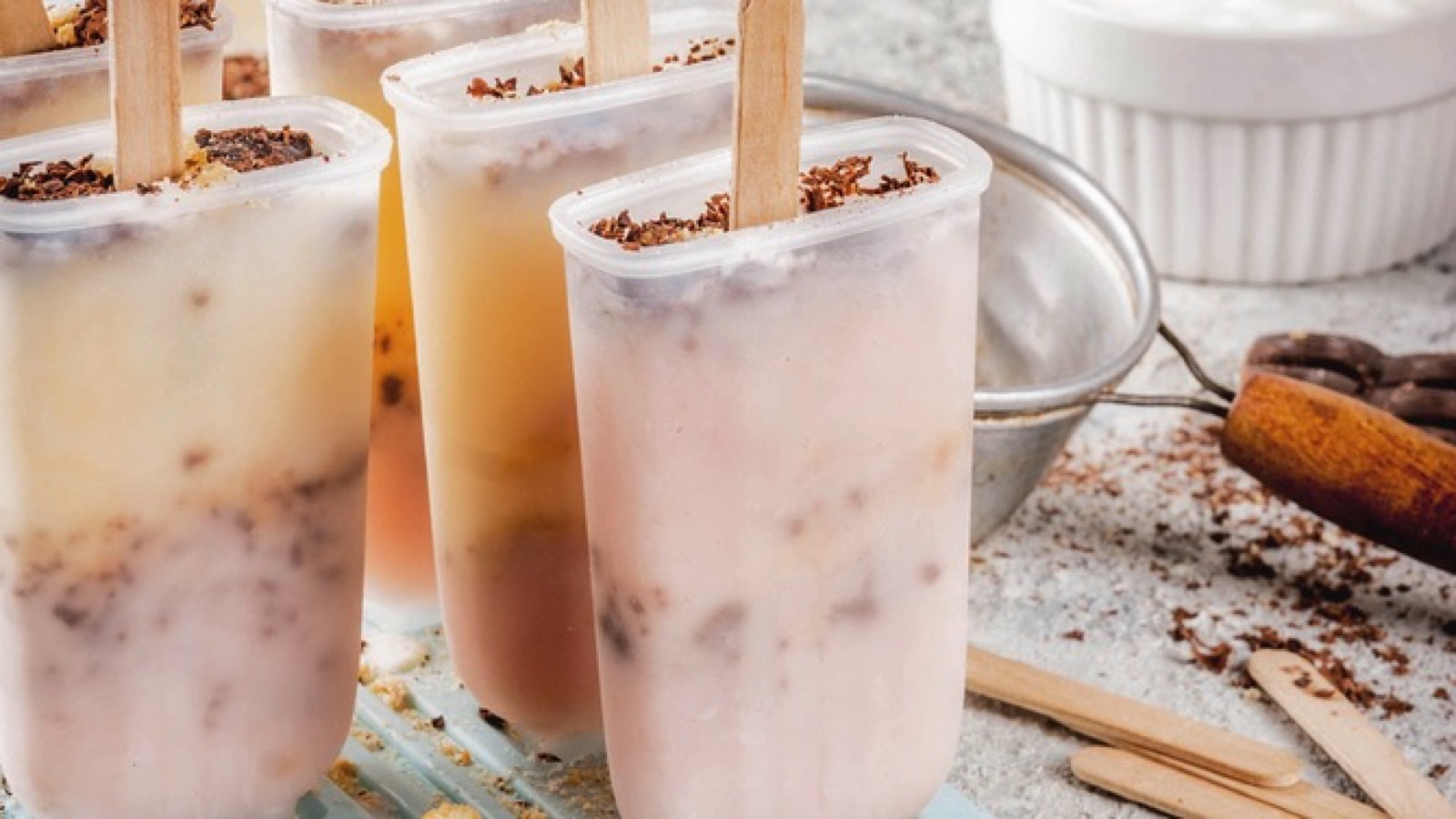
The numbers explain why the memory sticks: $100 million in the first year, $300 million a year within 5 years, and a fan base still searching decades later. For anyone who wants a taste of it now, Tasting Table points out that Kraft has shared a way to make a version at home with milk and a package of pudding, frozen on a stick the same way General Foods first pictured it.
This article was produced with AI assistance and edited for accuracy against the sources linked above.