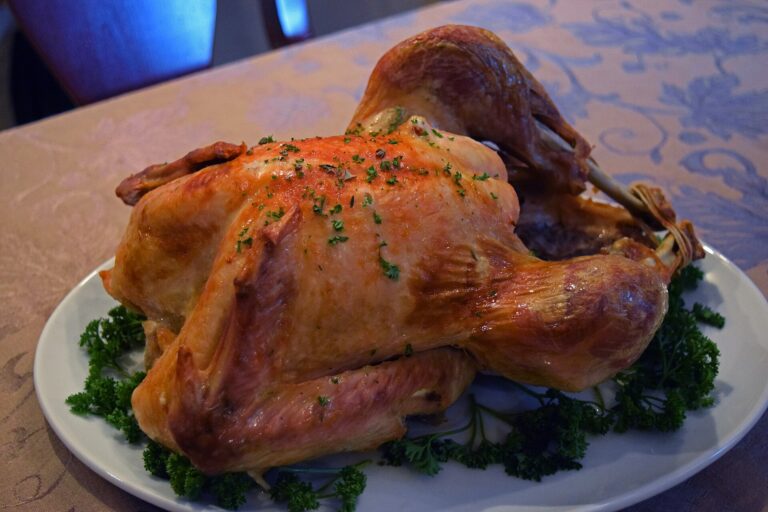
The Monday after Thanksgiving has its own ritual: a container of turkey, a scoop of stuffing and maybe a wedge of pie, packed in a hurry before work. It is the best free lunch of the year, as long as it survives the commute and the morning in the office.
The U.S. Department of Agriculture has 7 simple rules for packing it safely: use at least 2 cold sources in an insulated bag, never leave food in a brown paper bag past 2 hours, reheat to 165°F, preheat the hot-food container with boiling water, keep it sealed until lunch, pack hand wipes and wash the bag afterward. Add the 3 to 4 day fridge limit on cooked turkey, and the leftover lunch plan comes together.

Rules 1 and 2: 2 Cold Sources and No Paper Bags Past 2 Hours
The USDA’s guidance on packing an insulated lunch bag starts with the cold side. A cold turkey sandwich or a container of cranberry sauce should travel with at least 2 cold sources, and ice packs or gel packs work best. More food calls for more cold packs.
The agency is blunt about the old-fashioned brown paper bag: food kept in one for longer than 2 hours is no longer safe. The same 2-hour limit applies to perishable foods such as cold cuts and yogurt sitting out at room temperature. The goal is to keep cold food below 40°F, the bottom of the temperature range the USDA warns about, which runs from 40°F to 140°F.
A reusable ice pack works as a thermal mass, absorbing heat as it thaws, which is why it needs a night in the freezer first. Freezer space opens up this week as the frozen turkey moves to the refrigerator for its several days of thawing. The USDA also suggests a homemade version: freeze water in a water bottle or plastic container the night before. Making room for those packs is one more reason to run through the fridge and freezer checks before the Thanksgiving grocery run.
Rule 3: Reheat Leftovers to 165°F
For anyone heating turkey and gravy in the office microwave, the USDA’s number is 165°F. A cold entrée should be heated until it reaches 165°F or is hot and steaming throughout. Turkey, gravy and stuffing reheated together all need to reach that mark, not just the edges of the container.
The office microwave line is its own holiday-week tradition, one of the many odd American traditions that confuse the rest of the world, right up there with eating the same meal for four days straight. Workplaces that offer a decent kitchen and fridge space count it as a perk, too, as a look at the employee benefits shaping the modern workplace shows. Balancing a desk job with a holiday cooking marathon is a juggling act, and small habits like a planned leftover lunch are part of the work-life balance that keeps the week running.
Rules 4 and 5: Preheat the Container and Keep It Sealed
Workers without a microwave can bring leftovers hot. The USDA says to reheat the food to at least 165°F at home, then pour boiling water into the insulated container, let it stand, empty it and pack the hot food. The container should stay closed until lunchtime so the heat stays in.
That kind of container is a vacuum flask, also known as a thermos or Dewar flask, which slows how fast its contents change temperature. Preheating keeps the turkey and gravy from losing heat to a cold container. A morning step like this fits easily into a steady routine, the kind a piece on building a better 8 a.m. argues for.
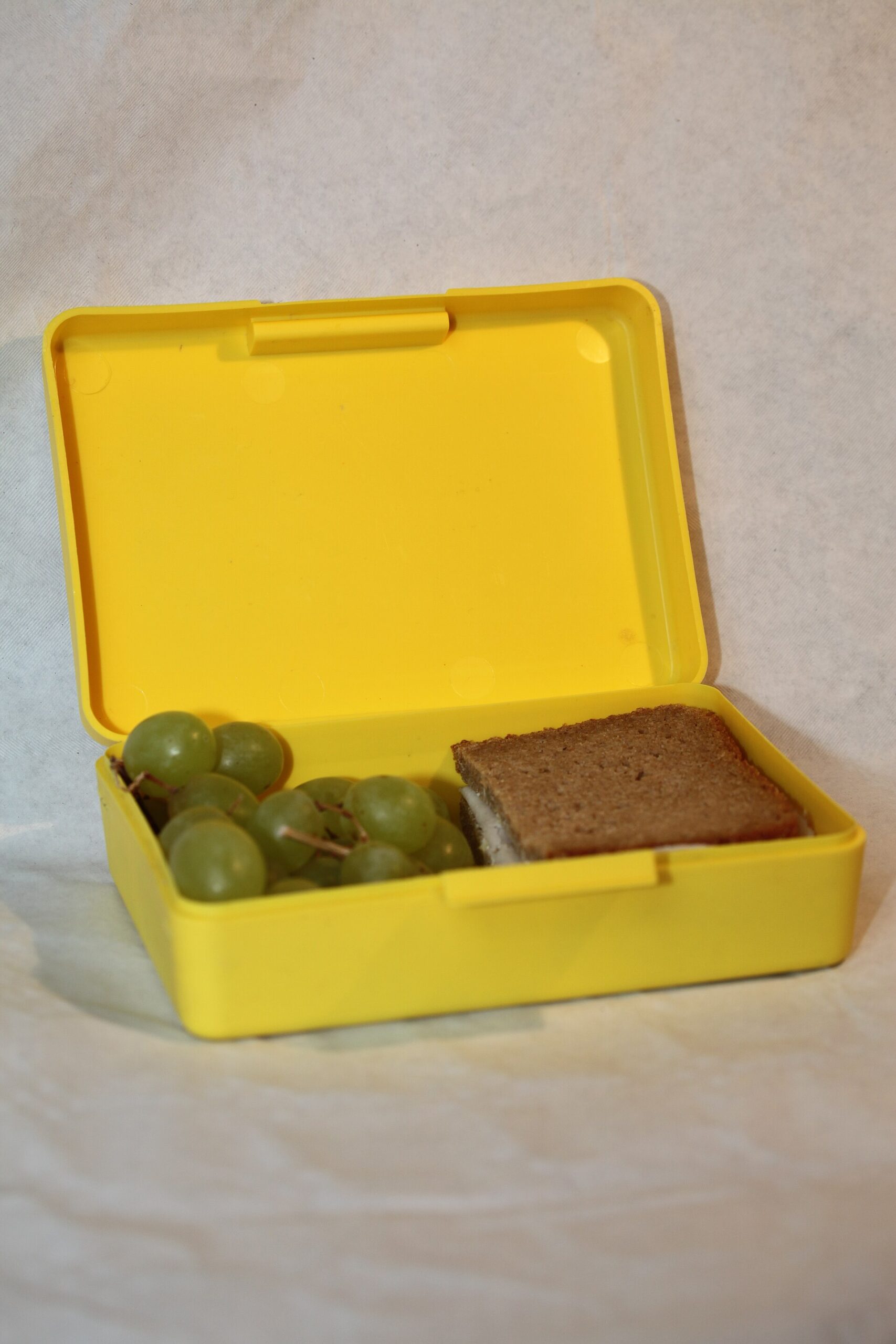
Rules 6 and 7: Pack Hand Wipes and Wash the Bag
Not every desk is near a sink. The USDA suggests packing hand wipes so hands can be cleaned before eating when there are no washing facilities nearby.
After lunch, the bag itself needs attention. The agency says to wipe the inside of the insulated bag with hot, soapy water and let it air dry before the next use. A bag that carried gravy on Monday should not carry Tuesday’s pie without a cleaning in between.
How Long the Leftovers Last
The lunch plan only works while the leftovers are still good. According to University of Illinois Extension, cooked turkey keeps 3 to 4 days in the fridge and 2 to 3 months in the freezer. Gravy lasts only 1 to 2 days in the fridge, stuffing and green bean casserole about 4 days, mashed potatoes 5 days and cranberry sauce 2 weeks. Pumpkin pie keeps 4 days and apple pie 3.
The extension service recommends planning ahead by cleaning out the refrigerator several days before the holiday feast to make room. It also says leftovers should go into the refrigerator within 2 hours after cooking ends, divided into smaller portions in shallow containers so they chill faster and stay fresher. Freezing, it notes, will not improve the quality of the turkey, so the sooner extra meat goes into the freezer, the better it will taste later. Turkey that will not be eaten in time should be frozen early rather than on day 4. On the day itself, a finished turkey can be held in a 200°F oven as long as its temperature stays at 140°F or above.
Thanksgiving falls on Nov. 26 this year, which puts the last safe day for most turkey leftovers around Nov. 30, just in time for one final office lunch.
This article was produced with AI assistance and edited for accuracy against the sources linked above.