It is 3 p.m. on Thanksgiving. The turkey owns the oven, the gravy owns the stovetop, and somewhere in the middle of it all, a pot of potatoes is waiting for you to mash it. Mashed potatoes are the side nobody wants to skip, and few people want to make at the last second.
The good news is that you do not have to. Mashed potatoes can be made ahead, reheated gently, and held warm while the rest of dinner comes together. Think of it as a small favor to future you: the potatoes you handle on Wednesday night become one less thing to juggle on Thursday afternoon, when guests are arriving, and someone is asking where the serving spoons went.
The trick is keeping them from turning gluey along the way. Here are six tips that make it work.
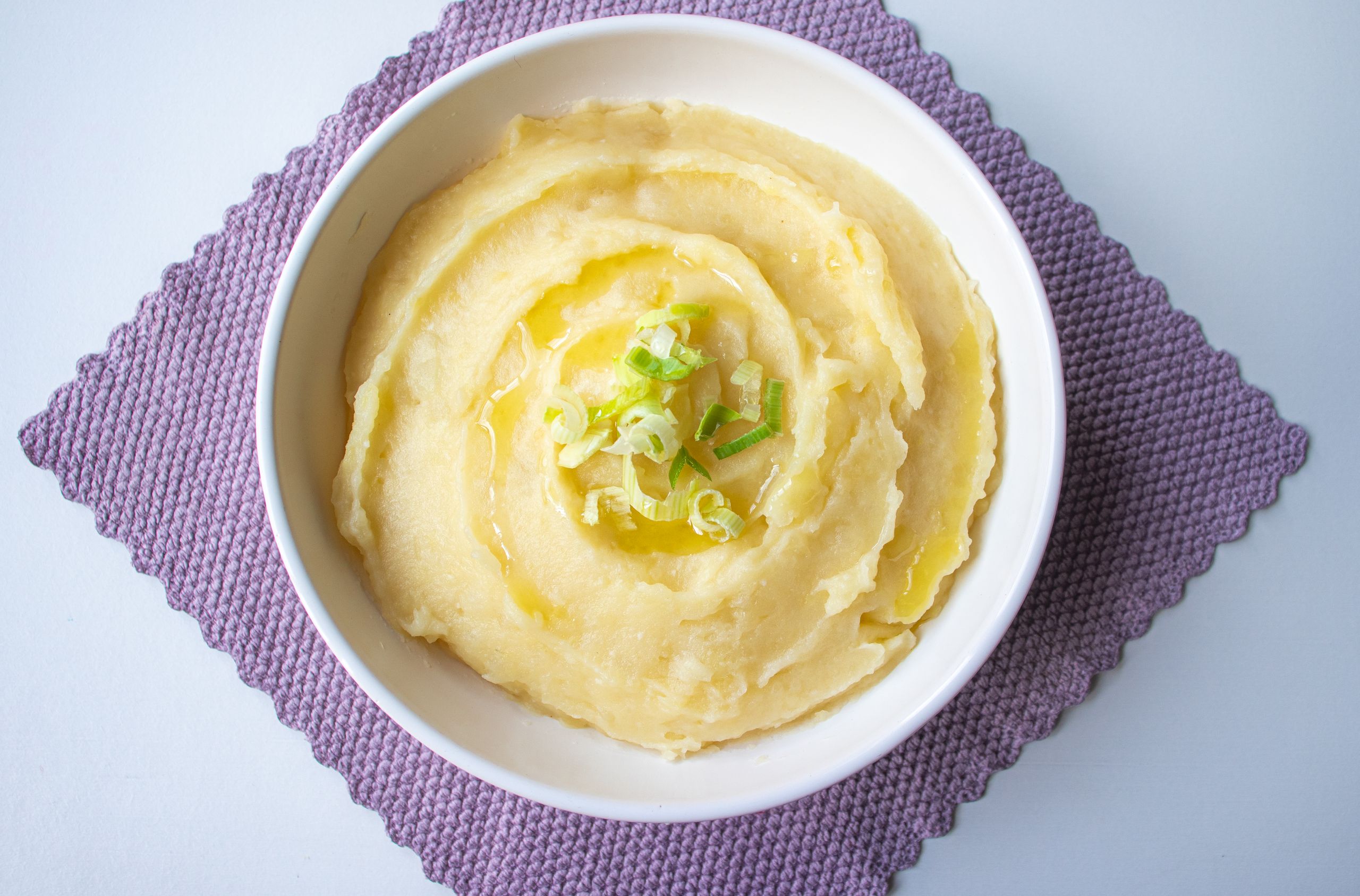
Pick the potato for the mash you want
Russets are high in starch and mash up light and fluffy. Yukon Golds have a buttery flavor and give you a creamier, slightly denser result. Either works for Thanksgiving, and mixing the two gets you a bit of both.
Cut the potatoes into similar-sized pieces so they finish cooking together, then start them in cold, salted water and bring it to a gentle boil. Pull them when a knife slides in easily. If they start falling apart in the pot, they are holding more water than you want.
Let the steam escape before you mash
Wet potatoes make sad mash. After draining them well, put them back in the warm pot over low heat for a minute or two and move them around gently so the steam can leave. Stay close, because even low heat can scorch the bottom if you wander off. If you are cooking a big batch, give the potatoes room to drain instead of piling them into a crowded colander.
This quick step means you will not be tempted to over-mix, or to pour in extra dairy, to fix watery potatoes later.
Go easy with the masher
Overworking is what turns mashed potatoes gluey. A ricer or food mill gives a smooth result with very little handling, and a classic hand masher is great if you like a rustic texture. Electric mixers, food processors and blenders can break down too much of the potato’s starch and leave you with something sticky and stretchy.
Mash while the potatoes are hot and stop as soon as they look right. The Idaho Potato Commission gives the same advice for make-ahead mash: do not overmix, because the starch breaks down easily and the potatoes turn gummy.
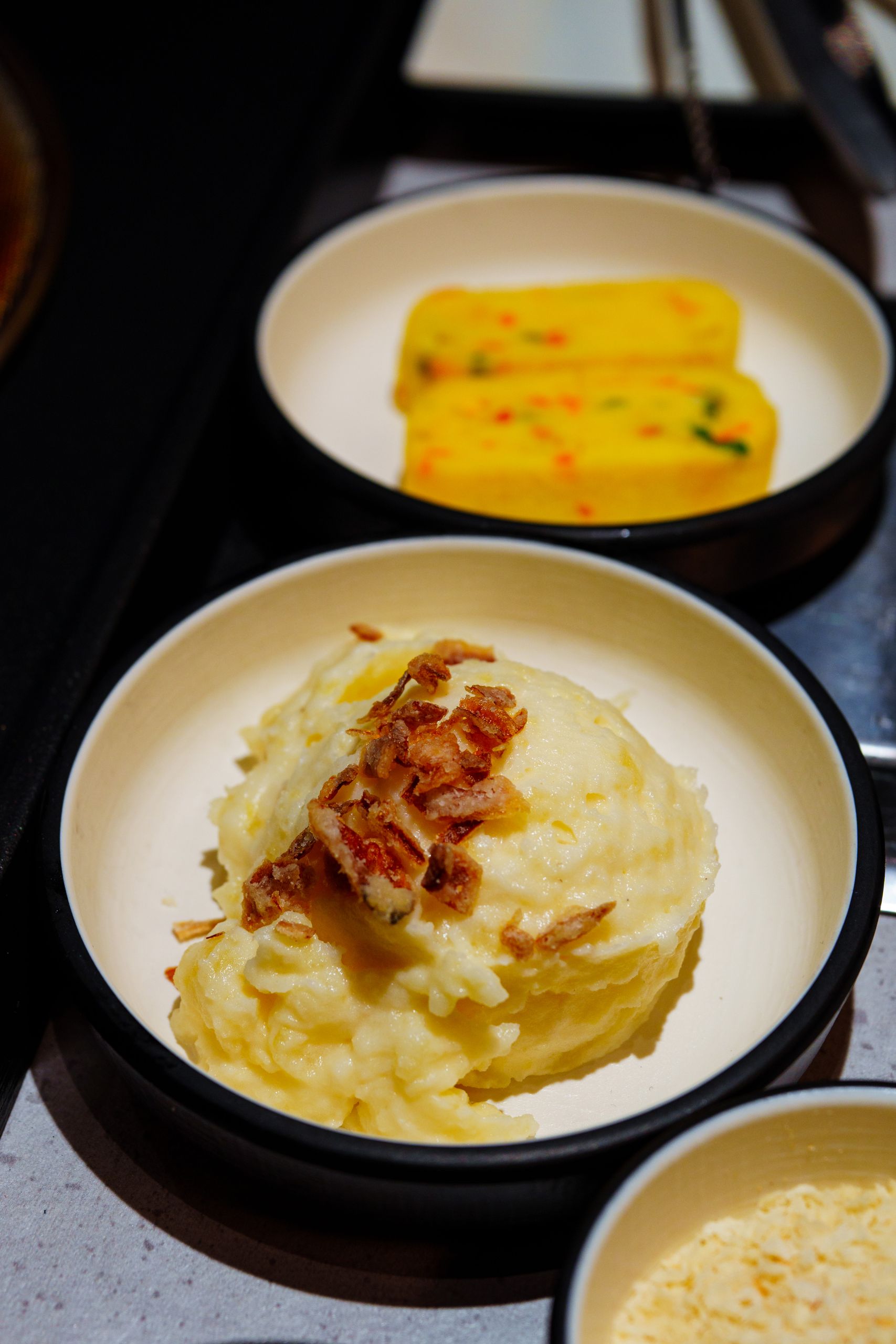
Warm the dairy first
Cold milk or cream cools the potatoes fast and makes them stiff, which leads to more stirring. A small saucepan on a back burner, or a microwave-safe measuring cup, is all you need to warm the milk while the potatoes drain. Melt your butter, add it first, then fold in the warm liquid a little at a time, since different potatoes absorb it differently.
Stop when the mash is a touch looser than you want to serve it. It firms up as it sits and again in the fridge, so a slightly soft mash now becomes the right texture later.
Reheat on the stove or in the oven, not the slow cooker
If you make the potatoes the day before, refrigerate them in a shallow, covered container within two hours of cooking. When dinner prep begins, reheat them until they reach 165 degrees Fahrenheit on a food thermometer. The USDA’s Food Safety and Inspection Service says reheating leftovers in a slow cooker is not recommended and points to the stovetop, microwave, or oven instead.
On the stovetop, use a heavy saucepan over low heat with a splash of warm milk or cream, cover briefly and fold gently as they warm. Resist cranking up the burner, since the bottom can scorch before the middle is hot.
In the oven, use a covered, oven-safe dish with a little butter or warm milk and heat until the center hits 165 degrees. Potatoes can look stiff straight out of the fridge. That is normal, and a little warm milk and patient folding loosen them up.
Hold them hot, gently
Once the potatoes are hot all the way through, the slow cooker earns its spot on the counter. FSIS says fully reheated food can go into a preheated slow cooker to stay hot for serving, at 140 degrees or above.
So preheat it, add the hot potatoes with a little warm milk or cream if they need it, use the warm setting, and stir now and then without beating. Trust a thermometer more than the dial.
Short on outlets? A heatproof bowl set over a pot of gently simmering water works as a double boiler. Keep the water below the bowl and stir from time to time. A covered, oven-safe dish in a low oven also works if you have the space. USDA food safety tips list warming trays, chafing dishes, and preheated ovens as other ways to keep hot food at 140 degrees or above.
Do not keep the potatoes over heat all afternoon, because long holding can change the texture even when the temperature is right. If they start to thicken, fold in a splash of warm milk or cream instead of stirring hard. Taste once more before serving, since a pinch of salt or an extra pat of butter after reheating is an easy fix.
Make the potatoes the easy part
Pick a good potato, drain and dry it, mash it gently, add warm dairy, and keep the reheating and holding simple. A workable game plan: mash on Wednesday, refrigerate within two hours, reheat on the stovetop on Thursday while the turkey rests, then move the potatoes to the preheated slow cooker. The dish that usually eats up the last frantic hour is the one already waiting, warm and creamy, when guests walk in.
If your mashed potatoes were the one dish you could cross off the Thanksgiving to-do list for good, what would you do with the extra hour?