You brought home a beautiful plant, found the perfect pot, and promised yourself this one would survive. Now its leaves are yellowing, the stems look tired, and you’re wondering whether another watering will help.
Houseplant trouble doesn’t automatically mean you lack a green thumb. Sometimes, the problem is a well-intentioned habit that doesn’t match what the plant needs.
Before buying fertilizer or moving every pot around the house, take a closer look at your routine. These seven mistakes offer a practical place to start.
Watering Because It’s Sunday
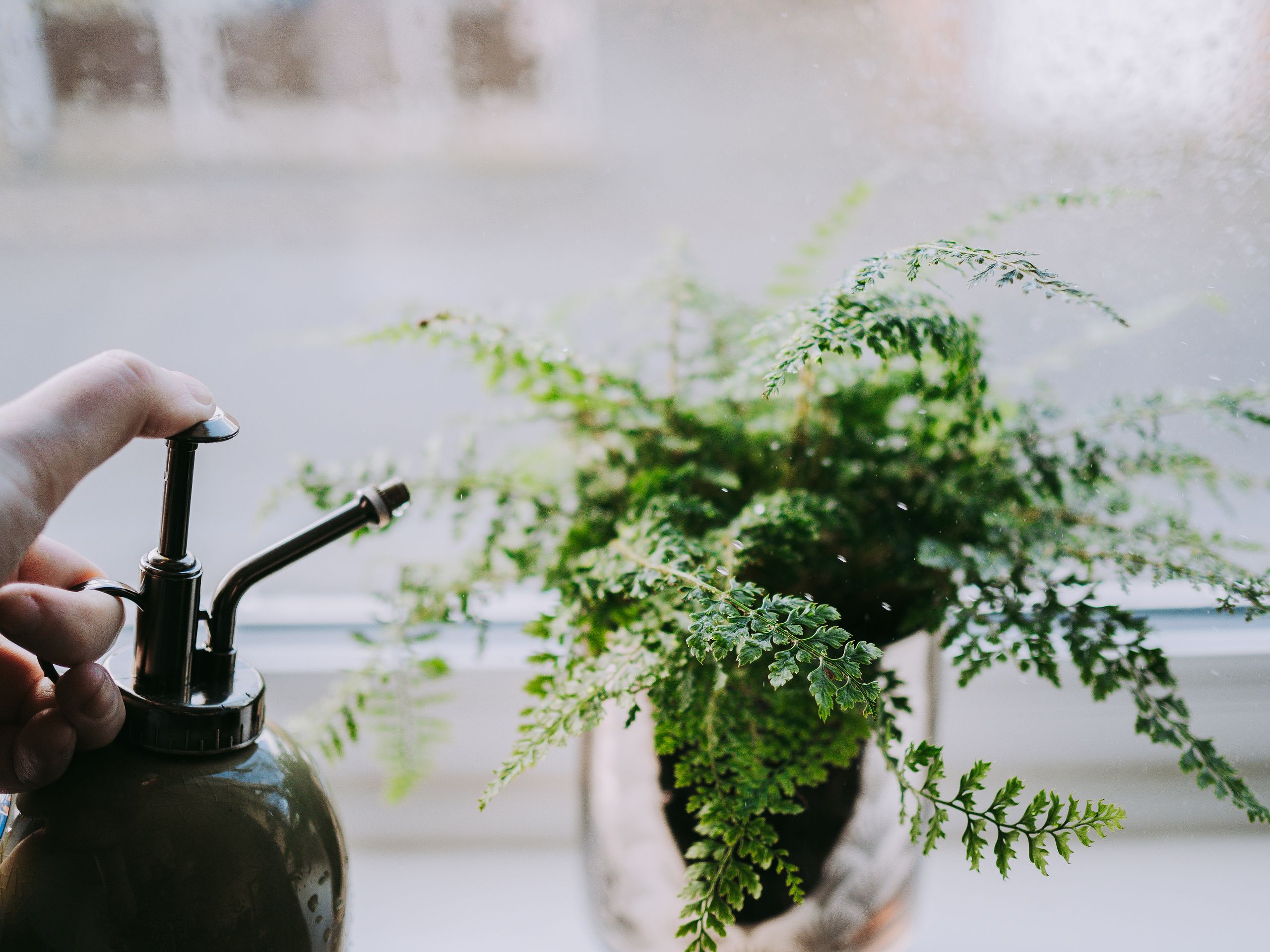
A weekly reminder can help you remember your plants, but it shouldn’t automatically trigger watering.
The University of Connecticut recommends checking moisture needs instead of watering on a calendar schedule. Light, temperature, and humidity affect how quickly plants use water. University of Connecticut
Use your reminder as a day to inspect. Feel the potting mix and check that plant’s specific needs. Don’t assume every pot needs a drink simply because you already have the watering can out.
Keeping a short note about when each plant actually needs water can help you recognize its pattern.
Related: 10 Regrettable Houseplants We Should Think Twice About Before Buying
Letting Water Collect Inside Decorative Pots
That ceramic planter might suit your living room perfectly, but check what happens beneath the nursery pot hidden inside it.
Oklahoma State University identifies drainage as essential to watering. A plant’s watering needs also depend on its container, growing medium, and surrounding conditions. Oklahoma State University
Use an inner pot with drainage holes. After watering, let it drain, then empty any collected water from the outer container or saucer.
Make this part of the routine, especially when the decorative container hides the bottom of the growing pot. An attractive planter shouldn’t prevent you from checking where excess water goes.
Choosing a Spot Only Because It Looks Good
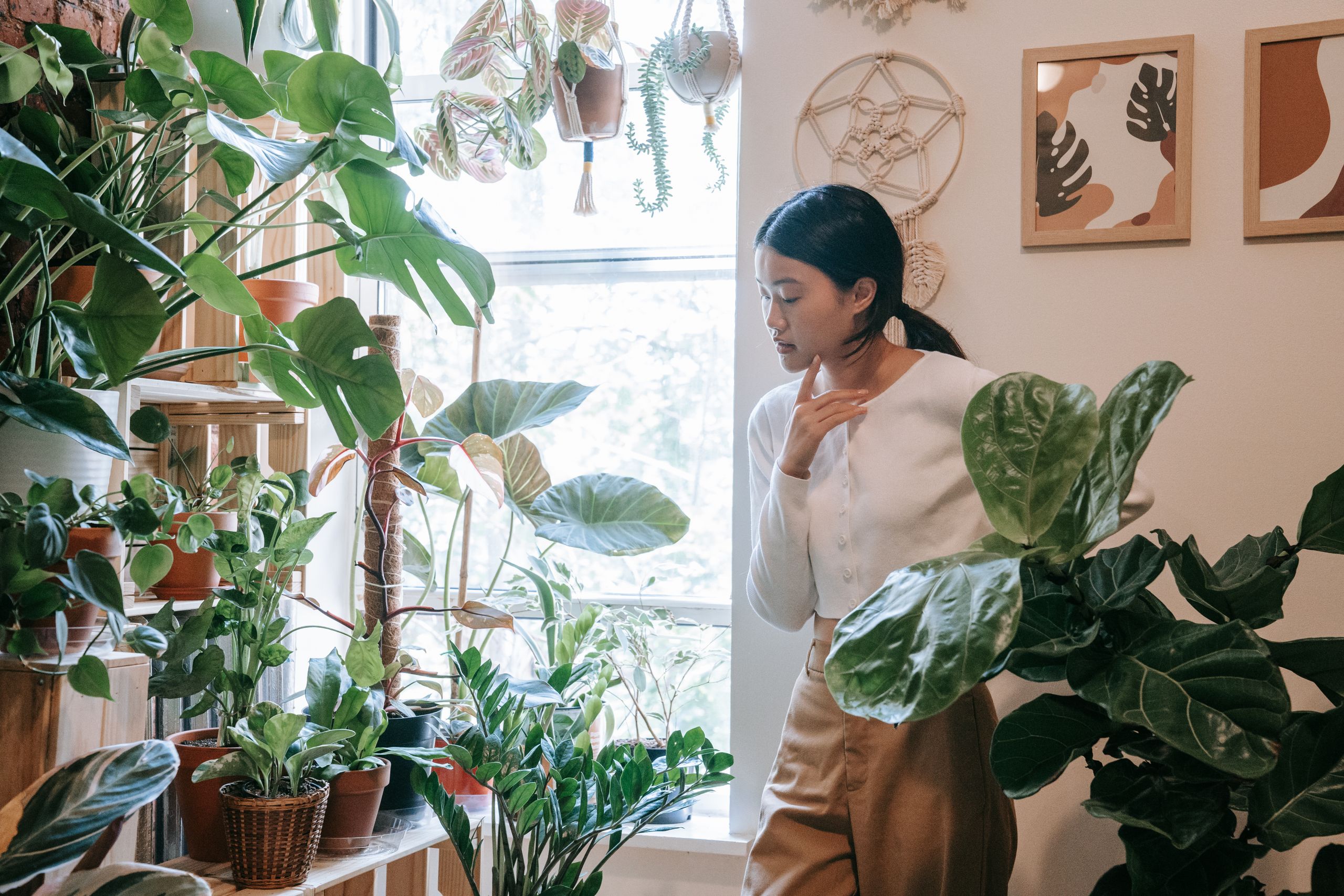
An empty bookshelf corner may need greenery, but that doesn’t mean it offers suitable growing conditions.
The University of Missouri notes that insufficient light cannot be corrected with extra fertilizer, water, or repotting. MU Extension
Identify your plant before choosing its permanent location. Check its light requirements, then observe the proposed spot throughout the day.
If you’re shopping for a new plant, reverse the process: assess the light you have first. Bring home something suited to that location rather than expecting a favorite plant to adapt to any available shelf.
Treating Fertilizer Like a Rescue Remedy
When growth slows, adding fertilizer can feel productive. But reaching for it before understanding the problem may complicate matters.
Iowa State University lists excessive fertilizer as a cause of houseplant problems. Too much can produce abundant but lanky growth. Yard and Garden
Before feeding a struggling plant, review its light, watering, and drainage. Follow the fertilizer label directions and species guidance.
Write down applications if you tend to forget them. A record makes it easier to avoid giving another dose simply because the bottle is nearby.
Related: 5 Gorgeous Houseplants That Demand More Care Than You Think
Assuming Misting Fixes Dry Air
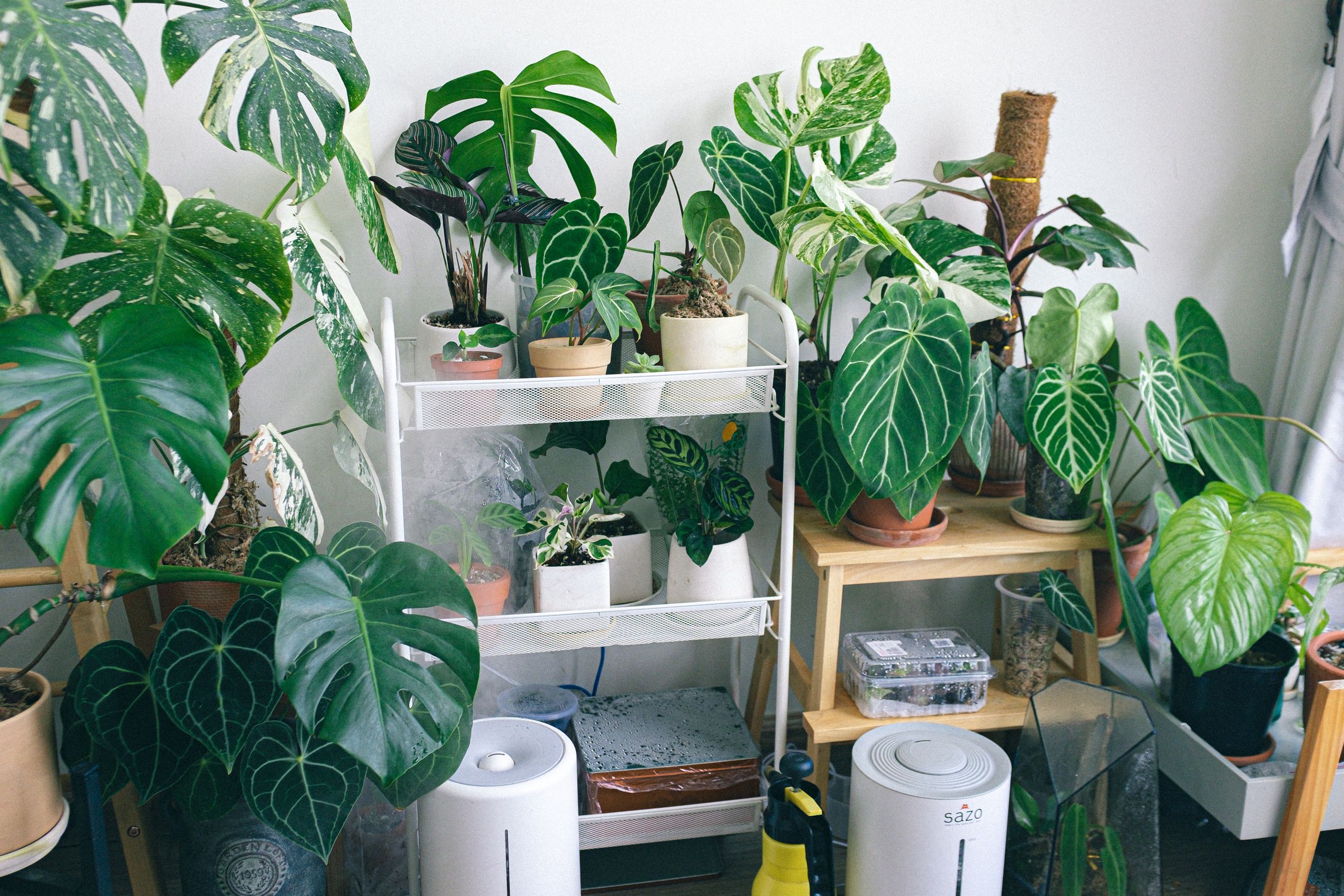
A few sprays can make plant care feel wonderfully hands-on. Unfortunately, the effect on surrounding humidity is brief.
Penn State Extension explains that misting raises humidity only until the water evaporates. Different houseplants also have different humidity requirements. extension.psu.edu
Check whether your plant needs additional humidity before establishing a daily spraying ritual. For plants that require it, consider a humidifier rather than relying on occasional mist.
Keep watering and humidity decisions separate. Dampening the leaves doesn’t tell you whether the roots need water.
Repotting Without Checking the Roots
A bigger container can look like an upgrade, but don’t repot solely because you found a prettier pot.
University of Illinois Extension says some plants need repotting annually, while others may go years between changes. Illinois
Check the root system and species-specific guidance before deciding. Avoid treating every slow-growing plant as though it has outgrown its home.
When a change is needed, choose suitable potting mix and a container with drainage. Save the decorative shopping decision until you know what the plant requires.
Waiting Too Long to Look for Pests
Don’t wait for obvious damage before inspecting your collection.
The University of California recommends examining houseplants carefully for pests before purchasing them, including plants returning indoors after time outside. ipm.ucanr.edu
During regular checks, look beneath leaves and around stems. Investigate unfamiliar spots, webbing, or insects before choosing a treatment.
Better plant care starts with noticing what’s happening before reaching for another remedy.