One-pot dinners offer the convenience every home cook appreciates: fewer pans, less scrubbing, and a comforting meal without turning the kitchen upside down.
But sometimes, while dinner simmers in one pot, mixing bowls, holding plates, and other kitchen equipment quietly gather around the sink.
That doesn’t mean these recipes aren’t worth making. It simply means that one-pot cooking doesn’t always mean one-pot cleanup.
Here are seven comforting meals with a few extra washing-up surprises, along with what you can expect before you start cooking.
One-Pan Lasagna
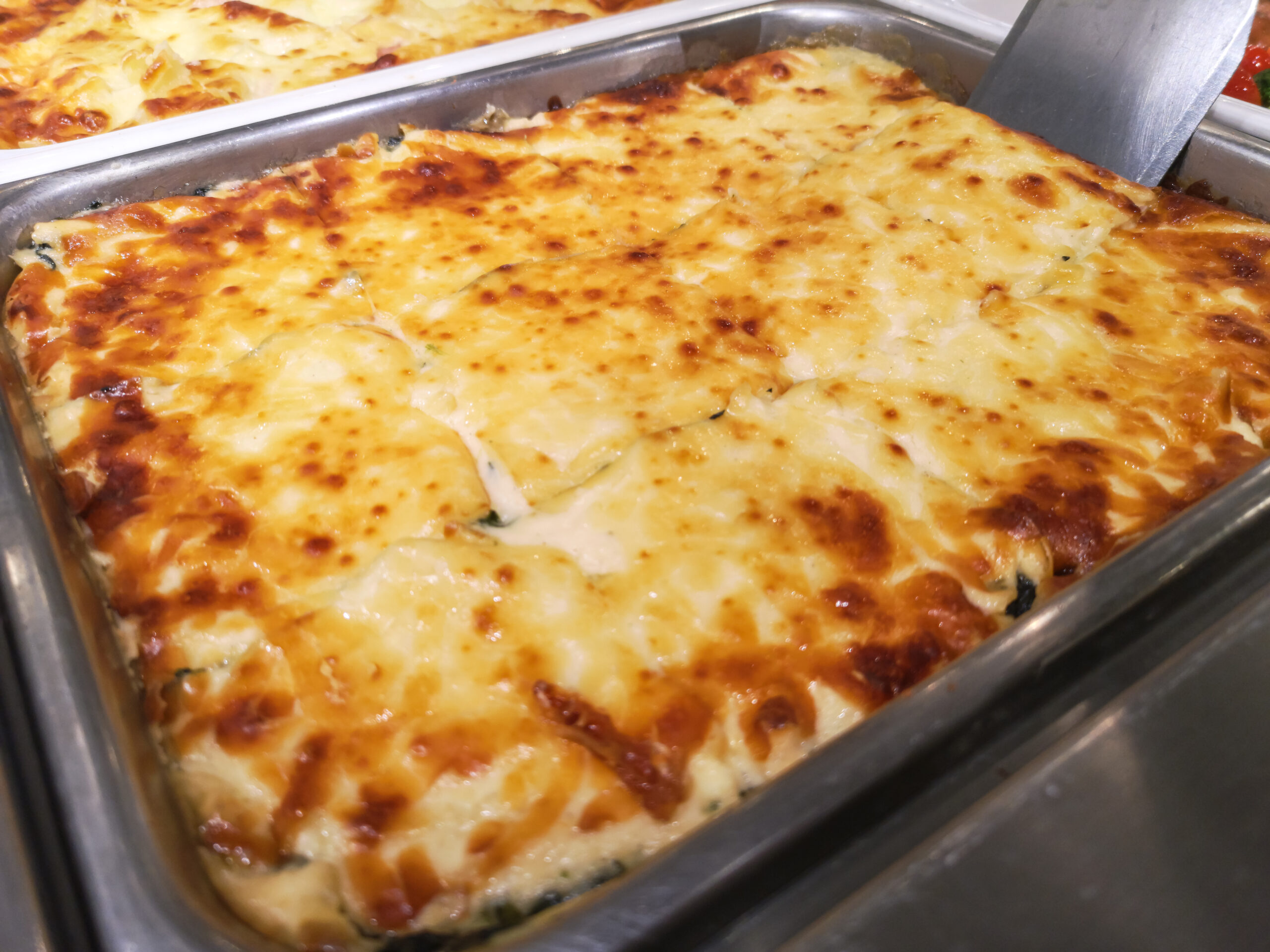
One-pan lasagna saves you from boiling noodles in a separate pot, making it a practical alternative to traditional lasagna.
Spend With Pennies’ Easy Lasagna recipe cooks sausage, ground beef, onion, and garlic in an ovenproof skillet before adding marinara, tomatoes, seasonings, and the noodles.
The catch comes when the recipe asks you to remove two cups of sauce and set it aside before assembling the layers. You’ll need a separate container to hold that sauce temporarily, even though the skillet handles the main cooking.
It’s still a useful shortcut, but keep a bowl or large measuring jug nearby. Your lasagna may need only one cooking pan, but that sauce needs somewhere to wait.
Related: 6 Restaurant Habits That Secretly Make Your Server’s Job Harder
One-Pan Chicken Parmesan Pasta
One-pan chicken Parmesan pasta combines chicken, pasta, and sauce in a large, broiler-safe skillet, bringing the familiar flavors of chicken Parmesan into a more convenient dinner.
EatingWell’s version also uses toasted panko breadcrumbs and garlic to provide a crunchy topping.
That topping creates an extra step before the pasta gets going: the breadcrumbs and garlic are toasted separately in the skillet, transferred to a small bowl, and set aside while the pan is wiped out.
The skillet still does most of the work, but the topping needs its own temporary home.
The result can be worth the small inconvenience, especially if you enjoy a crunchy finish. Just remember that the bowl is part of this recipe’s workflow, not required for every one-pan chicken Parmesan pasta.
One-Pot Risotto With Chicken and Mushrooms
One-pot risotto with chicken and mushrooms brings together browned chicken, onions, mushrooms, rice, stock, wine, and Parmesan in one large pan or Dutch oven. La Crema’s version keeps the main ingredients together, making it an appealing option when you want a comforting dinner without several cooking pans.
However, the recipe notes that heating the stock in a separate pot is helpful. That means you could tend the risotto in one vessel while keeping the broth warm in another.
You can still enjoy the streamlined approach, but don’t be surprised if your stovetop has more activity than the recipe’s name suggests. The second saucepan is optional, not required.
One-Pot Beef Stroganoff
One-pot beef stroganoff combines beef, noodles, and a creamy sauce in a Dutch oven, so you don’t have to boil the noodles in a separate pot. Chowhound’s version, however, includes a couple of extra transfers that make the cleanup slightly more involved.
The browned beef is moved to a plate, and later the noodle mixture is transferred to a serving dish while the sauce stays in the pot to thicken. That’s more than simply cooking everything together and carrying one pot to the table.
The good news is that not every beef stroganoff recipe follows this process. Some versions let the noodles simmer directly in the sauce without the same transfers, so if minimizing dishes is your main goal, it’s worth checking the instructions.
One-Pot Shepherd’s Pie
One-pot shepherd’s pie offers a comforting combination of meat filling and mashed potatoes, but the two layers don’t necessarily cook in the same vessel at the same time.
In the recipe from Family Food Roots, potatoes are cooked first, drained, and transferred to a mixing bowl, where milk, butter, and seasonings are added before mashing.
The original pot is then reused to prepare the meat filling, with the mashed potatoes added on top. That means you’ll need a separate bowl and a potato masher or hand mixer, even though the recipe is designed around one cooking pot.
There’s a practical reason for the extra dish: the potatoes need somewhere to go while the filling cooks. One detail to remember: traditional shepherd’s pie uses lamb, while a beef version is commonly called cottage pie.
Chicken and Dumplings
Chicken and dumplings is a classic comfort-food dinner featuring chicken simmered with vegetables and gravy, topped with soft dumplings. Budget Bytes’ version uses homemade drop dumplings, which are spooned directly onto the simmering mixture rather than rolled out separately.
The chicken is partially cooked, then moved to a clean bowl, cut, and returned to the skillet, while the dumpling ingredients need their own mixing step.
So although the stew stays in one main cooking vessel, you’ll still have extra equipment to wash afterward.
The trade-off is reasonable if you enjoy homemade dumplings. Just don’t mistake the phrase “one-pot” for a promise that every ingredient can be prepared without a mixing bowl.
Blender Tomato Soup
Blender tomato soup may sound like the ultimate simple dinner, particularly when it’s included in a one-pot recipe collection. Del Monte’s 10-Minute Blender Tomato Soup starts by sautéing onion in butter in a saucepan, then adding garlic and oregano before transferring that mixture to a blender with broth.
Meanwhile, tomato sauce is heated in the original saucepan, and the blended mixture eventually returns to the pot. The extra cleanup is easy to identify: you’ll need to wash the blender jar and lid as well as the saucepan.
The blender serves a real purpose by creating the soup’s smooth texture, so it isn’t unnecessary equipment for the recipe as written. Still, if you prefer fewer items to clean, an immersion blender may be a suitable alternative.
A Little Extra Washing Doesn’t Ruin Dinner
One-pot recipes can save time and reduce cleanup, even when they require a few bowls, plates, or appliances along the way. The trick is to read the instructions before cooking so you know what to expect and can enjoy dinner without discovering a surprise pile of dishes afterward.