Cancer does not usually arrive from one bad meal, one rushed lunch, or one plate of barbecue at a family gathering. The danger sits in repetition, in the foods we keep calling harmless because they are familiar, convenient, cheap, or wrapped in clever marketing. When the same risky choices keep showing up on our plates, in our fridges, and inside our weekend routines, they begin to shape the body’s internal environment in ways we should take seriously.
Processed Meats That Turn Convenience Into a Cancer Risk
Processed meats sit at the top of the warning list because they are not just ordinary meat. Bacon, sausages, hot dogs, deli ham, salami, pepperoni, corned beef, smoked meats, and many packaged lunch meats go through curing, salting, smoking, fermentation, or chemical preservation to improve flavor and shelf life. That process can introduce or encourage compounds such as nitrites, N-nitroso compounds, heme iron reactions, smoke residues, and high salt levels, which make these foods more troubling than a simple cut of fresh meat.
Red Meat Eaten Too Often Can Push Risk Higher
Red meat includes beef, pork, lamb, goat, veal, and mutton, and it can provide protein, iron, zinc, and vitamin B12. The problem begins when red meat becomes the center of the plate too often, especially in large portions. Frequent high intake has been linked most strongly with colorectal cancer risk, partly because red meat contains heme iron and can form harmful compounds during digestion and high heat cooking.
We do not need to treat every steak or beef stew as a disaster. The smarter move is moderation, portion control, and rotation. We can make beans, lentils, fish, poultry, eggs, tofu, nuts, and vegetables carry more of the meal, then leave red meat as a smaller supporting ingredient instead of the main event every night.
Charred and Blackened Meats That Look Tasty but Carry a Warning
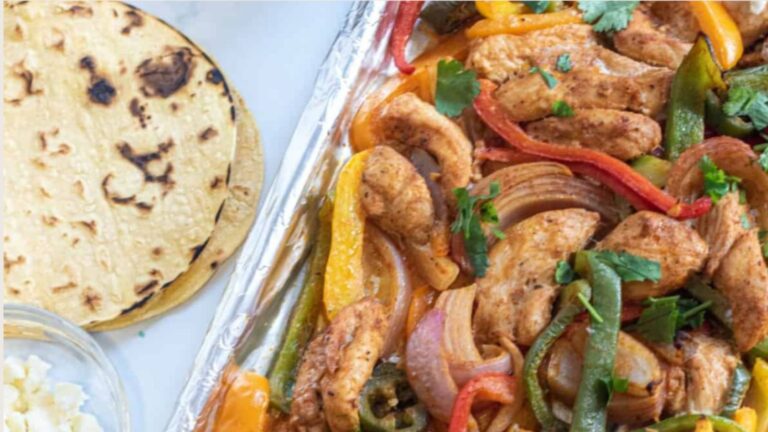
The dark crust on grilled meat may look like flavor, but heavy charring can create chemicals we should not casually ignore. When muscle meats such as beef, pork, poultry, or fish are cooked at very high temperatures, especially by grilling, pan frying, broiling, or flame contact, compounds called heterocyclic amines and polycyclic aromatic hydrocarbons can form. These compounds can damage DNA in laboratory studies, which is why burnt, blackened, and smoke-heavy cooking deserves caution.
We can still enjoy grilled food without turning every cookout into a risk fest. Marinating meat, trimming fat, avoiding direct flame contact, flipping often, lowering the heat, removing blackened sections, and choosing smaller cuts can reduce exposure. Better yet, we can grill more vegetables, fish, and plant-forward skewers, then stop treating the most charred pieces as the prize.
Alcoholic Drinks That Wear a Social Mask

Alcohol is one of the most normalized cancer-linked products in adult life. Wine at dinner, beer at a barbecue, cocktails on vacation, and champagne at celebrations are often framed as lifestyle accessories rather than health risks. The body breaks alcohol down into acetaldehyde, a toxic compound that can damage DNA, interfere with repair mechanisms, and increase cancer risk in several parts of the body.
The uncomfortable truth is that beer, wine, spirits, and cocktails all contain ethanol, so no type gets a free pass. Heavy drinking raises risk more, but even lighter drinking is not risk-free from a cancer prevention perspective. If we want to cut risk with one powerful lifestyle move, reducing alcohol or avoiding it altogether is one of the clearest choices we can make.
Sugary Drinks That Feed Weight Gain and Metabolic Trouble
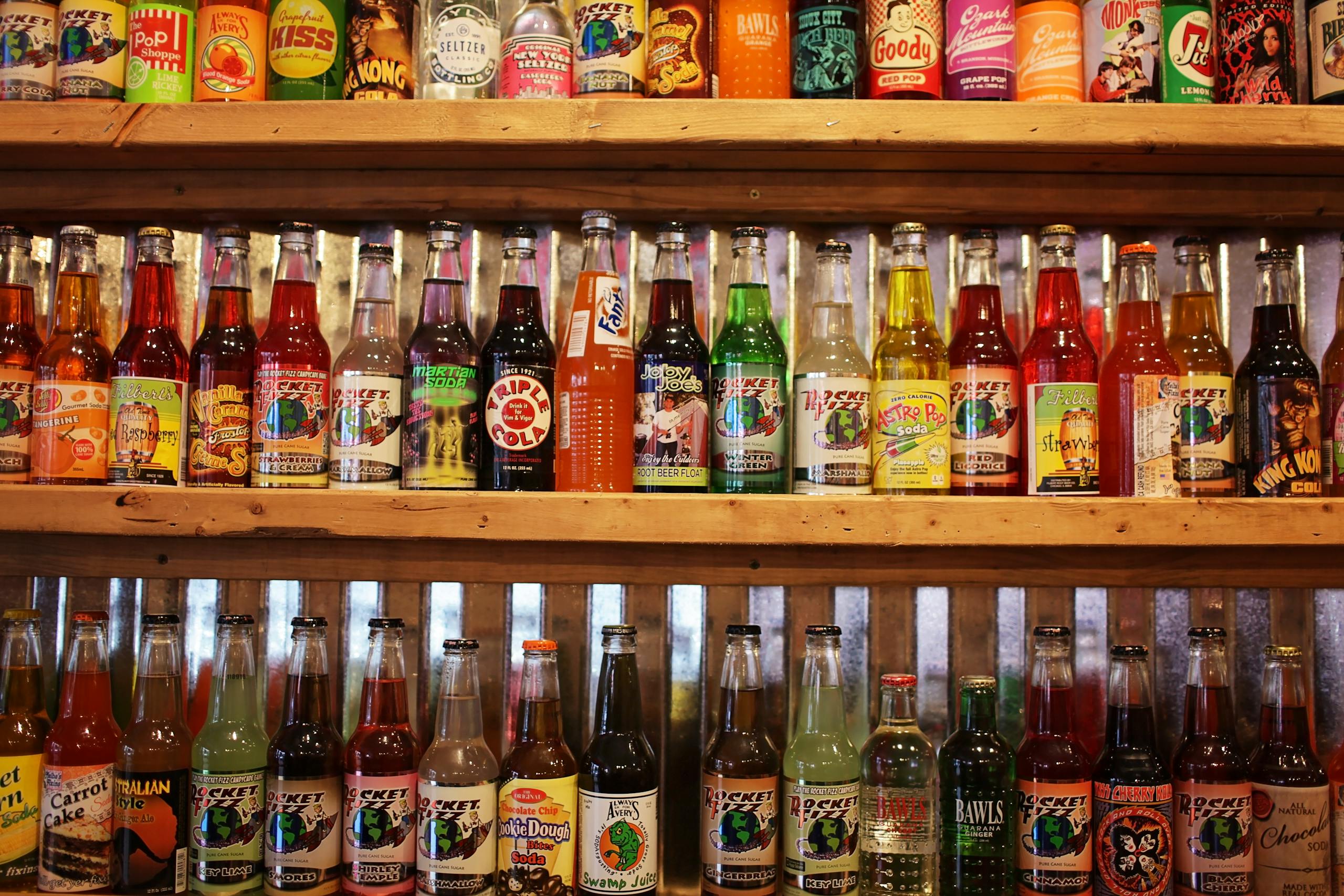
Sugary drinks do not usually scare people because they look simple, colorful, and refreshing. Soda, sweetened iced tea, energy drinks, flavored coffees, fruit punches, sports drinks, and bottled sweet beverages can deliver large amounts of sugar without making us feel full. That makes them easy to overconsume, and over time they can contribute to weight gain, insulin resistance, fatty liver changes, and excess body fat.
The cancer concern is mostly indirect but serious. Excess body fat is linked to multiple cancers, so drinks that make weight gain easier deserve a place on this list. We are better off making water, sparkling water, unsweetened tea, plain coffee, or fruit-infused water the daily default, then treating sugary drinks like dessert rather than hydration.
Ultra-Processed Fast Foods That Keep the Body in Survival Mode
Fast food is not dangerous because one burger has magical cancer powers. The problem is the full pattern that often comes with it: oversized portions, processed meat, refined grains, sugary drinks, deep-fried sides, high sodium, low fiber, and very little protective plant food. When that pattern becomes routine, it can push the body toward weight gain, inflammation, poor gut health, and metabolic stress.
We should pay attention to how cleverly these meals are engineered. They are salty, fatty, sweet, soft, crispy, and easy to eat quickly, which makes stopping harder than we expect. A stronger approach is to limit fast food frequency, skip sugary drinks, replace fries with a vegetable option when possible, choose grilled items over fried ones, and keep portions smaller instead of treating combo meals as normal adult fuel.
Deep Fried Starchy Foods That Bring Acrylamide Into the Conversation
French fries, potato chips, fried dough, crisped hash browns, and very browned starchy foods can contain acrylamide, a chemical that forms when certain carbohydrate-rich foods are cooked at high temperatures. Acrylamide has raised concern because it can damage DNA in experimental settings, although human studies on dietary exposure have produced mixed results. That means we should be careful without pretending that one plate of fries has the same certainty as tobacco smoke or processed meat.
The practical solution is not panic, but reduction. We can avoid over-browning potatoes and bread, cook to a golden color instead of dark brown, use lower-temperature methods more often, and swap fried snacks for fruit, nuts, yogurt, roasted chickpeas, or air-popped popcorn. These changes also help because they reduce excess calories and improve the overall quality of the diet.
Refined Pastries and Sweet Breakfast Foods That Pretend to Be Normal Meals
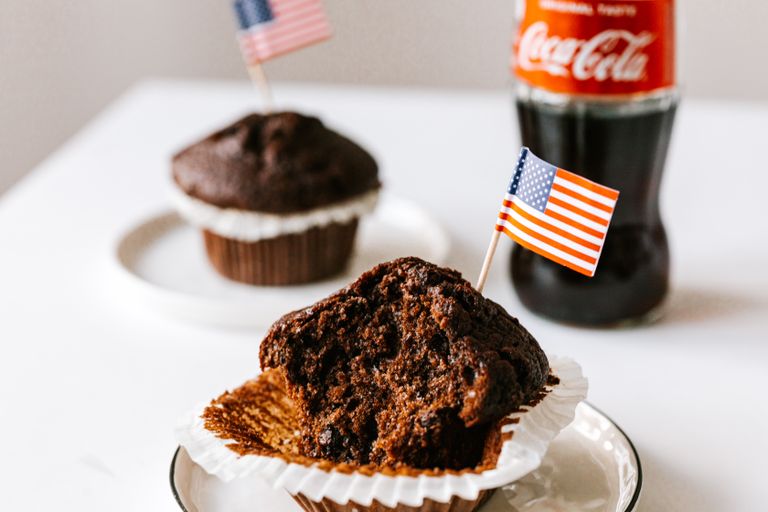
Pastries, packaged cakes, doughnuts, sugary cereals, frosted toaster pastries, muffins, cookies, and sweet breakfast bars often carry a health halo when they are sold as convenient morning foods. Many are built from refined flour, added sugar, low fiber, cheap fats, and flavorings that make us want more. They may not be direct carcinogens in the way processed meat or alcohol can be, but they can contribute to the dietary pattern that raises cancer risk through excess weight and poor metabolic health.
We should stop letting dessert dress up as breakfast. A better morning plate gives us protein, fiber, and slow-burning carbohydrates, such as oats with fruit, eggs with vegetables, Greek yogurt with nuts, beans on whole grain toast, or smoothies built around whole fruit rather than syrups. When we stabilize the first meal, we often reduce cravings and make better choices for the rest of the day.
Salt-Preserved Foods That Can Irritate the Stomach Over Time
Salt-preserved foods deserve more attention because many people think “traditional” automatically means harmless. Salted fish, salt-cured meats, heavily pickled vegetables, preserved seafood, very salty soups, and certain cured products can expose the stomach lining to high salt levels over time. In some dietary patterns, especially where salt preservation is common, these foods have been linked with stomach cancer risk.
We do not need to fear every pickle or salty bite, but frequency and concentration matter. The smarter approach is to choose fresh or refrigerated foods more often, rinse salty preserved items when possible, balance them with vegetables, and watch sodium levels in sauces, instant noodles, canned soups, and packaged snacks. The stomach is not built to be attacked by heavy salt day after day.
Moldy Grains, Nuts, and Spices That May Carry Aflatoxins
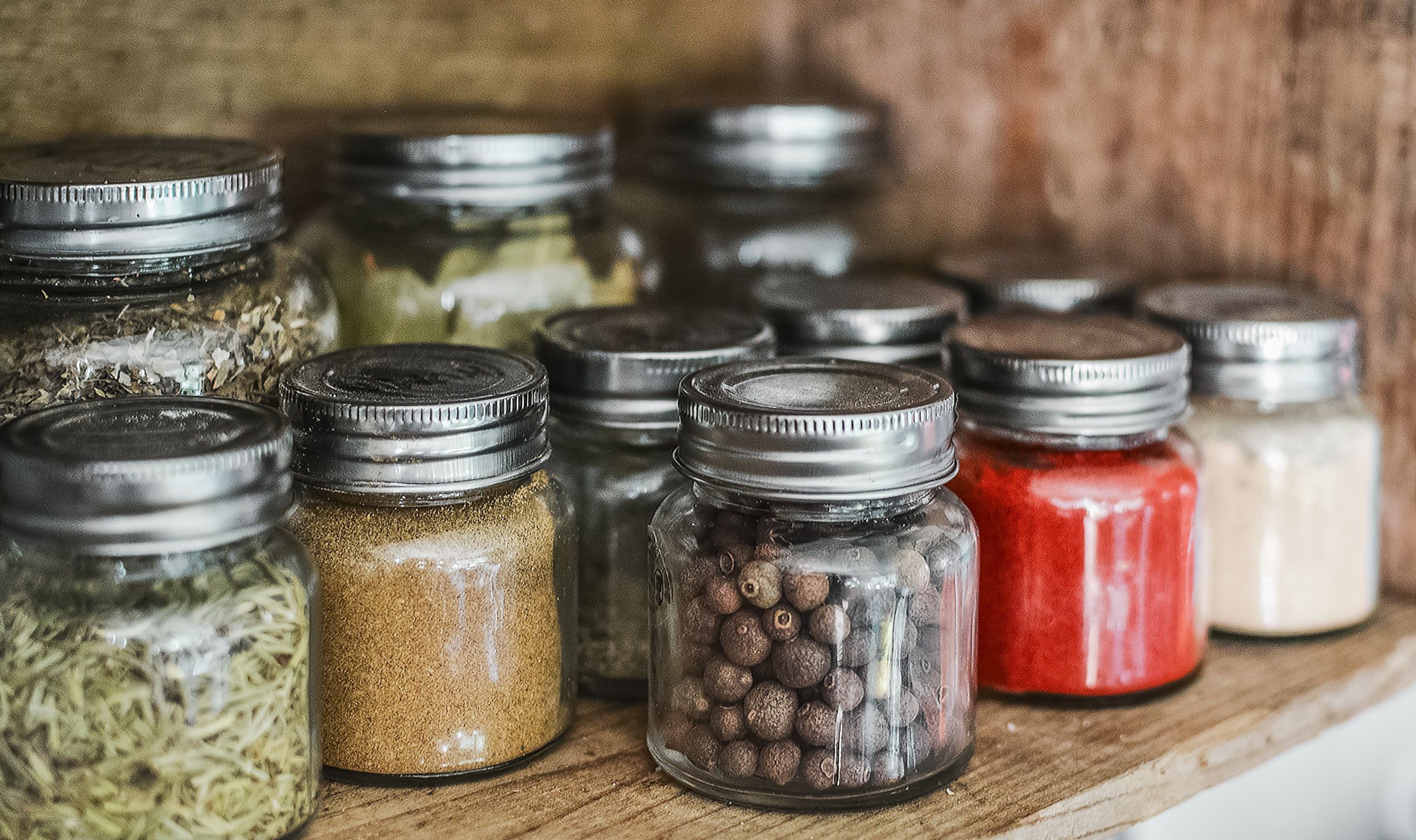
Mold on food is not just ugly. Certain molds can produce aflatoxins, especially in poorly stored peanuts, corn, tree nuts, grains, spices, and some dried foods. Aflatoxins are strongly linked with liver cancer risk, which makes this one of the most important food safety issues in warm and humid regions where storage conditions can easily go wrong.
We should never scrape mold off nuts, grains, or ground spices and pretend the rest is safe. Mold toxins can spread beyond what the eye can see. The safer habit is to buy from reliable suppliers, store dry foods in cool and dry places, discard moldy items immediately, avoid bitter or musty-tasting nuts, and rotate pantry foods before they sit for months in heat and humidity.
Rice-Based Foods With Arsenic Concerns When We Eat Them Too Often
Rice is a staple for millions of people, and it can absolutely fit into a healthy diet. The concern is that rice can absorb arsenic from soil and water more readily than many other crops, and inorganic arsenic is the form most associated with long-term health risk. Rice cereals, rice cakes, rice snacks, brown rice syrup, and rice-heavy diets can become a bigger issue when variety is missing.
We do not need to throw rice out of the kitchen. We can reduce exposure by rinsing rice, cooking it in extra water and draining the excess, rotating grains such as oats, barley, quinoa, millet, bulgur, and whole wheat, and avoiding rice-based snacks as daily staples for young children. Variety is the quiet safety net that keeps one food from carrying too much of the risk burden.
Scalding Hot Drinks That Damage More Than the Tongue
Tea, coffee, cocoa, and herbal drinks are not the enemy by themselves. The risk comes when we drink beverages at scalding temperatures, especially above the point where they repeatedly burn the mouth and throat. Very hot drinks can injure the lining of the esophagus, and repeated thermal injury may contribute to a higher risk of esophageal cancer in populations where extremely hot drinking habits are common.
The fix is simple and almost effortless. We can let hot drinks cool for a few minutes, add milk or cool water, sip slowly, and avoid swallowing anything that feels painfully hot. A drink should comfort the body, not burn its way down the throat.
Packaged Snack Foods That Crowd Out Protective Foods
Chips, cheese puffs, crackers, candy bars, instant snack packs, flavored wafers, and highly processed convenience foods often become “small bites” that quietly replace real meals. The danger is not just what they contain, but what they push out. A diet filled with packaged snacks usually leaves less room for beans, greens, berries, citrus, cruciferous vegetables, whole grains, nuts, seeds, and other foods associated with healthier cancer-prevention patterns.
We should judge snacks by what they do to the whole day. If a snack leaves us hungrier, thirstier, more sluggish, or craving another bag, it is not helping. Better everyday snacks include apples with peanut butter, carrots with hummus, boiled eggs, plain yogurt with fruit, nuts, roasted corn, homemade popcorn, or whole grain toast with avocado.
Conclusion
We do not need fear-based eating. We need honest eating. If we reduce the foods with the strongest warnings and build more meals around whole grains, beans, vegetables, fruits, nuts, seeds, fish, poultry, and minimally processed foods, we give ourselves a better long-term defense. The plate will never control everything, but it can control more than many people realize.