A skillet of hot oil, a pile of grated potatoes and a tray of sugar-dusted doughnuts can make a kitchen smell like a holiday long before the first candle is lit. Hanukkah 2026 begins on the evening of Friday, December 4, and ends at sundown on Sunday, December 12, according to History.com, which puts the first fried batches on tables in about three weeks.
At the table, the fried foods carry the meaning. Latkes (potato pancakes) and sufganiyot (jam-filled doughnuts) are cooked in oil because of the miracle of the oil: a supply meant to last one day burned for eight nights, the story behind the eight-day holiday. Each pancake and each doughnut is a small edible reminder of that story, which is why frying, rather than baking, is the point of the menu.

The Oil Story Behind Every Fried Dish
The name Hanukkah means “Dedication” in Hebrew, and Britannica says the festival commemorates the rededication of the Second Temple in Jerusalem. It lasts eight days and begins on the 25th of Kislev in the Hebrew calendar, which lands in December on the Gregorian calendar.
The Talmud tells of only enough pure olive oil to last one day, yet the menorah’s flames burned for eight nights, buying time to find more oil. The menorah, or hanukkiah, has nine branches. The extra branch holds the shamash, the “helper” candle, which is lit first, and one more candle is added each night until all eight branches glow.
The Wikipedia entry on the holiday describes the food custom plainly: dishes fried or baked in oil, preferably olive oil, recall the oil miracle. Latkes and sufganiyot are the two best-known examples.
Latkes Were Cheese Pancakes Before Potatoes
A latke is a potato pancake from Ashkenazi Jewish cooking, traditionally made for Hanukkah, according to the Wikipedia entry on latkes. The word comes from Yiddish and traces back to Greek words for “oil,” a nod to the frying.
Potatoes did not always star. Before they spread through Eastern Europe in the 1800s, latkes were usually made from cheese, such as ricotta or curd cheese, fried in poppyseed oil or butter and served with fruit preserves. Potatoes took over so completely that the word is now nearly a synonym for them.
Texture divides home cooks. Grated potatoes give a crisper pancake, while puréed potatoes make a softer, pudding-like one. Latkes are most often served hot with sour cream or applesauce, and those two toppings are the usual start of the great latke argument at the table. Home cooks who swap tips from lists of kitchen tricks often start with exactly this question of grated versus puréed.
Many hosts stage the menu the way other family holidays build their menus, with one dish everybody expects and one that changes each year. A latke bar with applesauce, sour cream and a few unusual toppings is an easy way to let a table settle that argument itself.
Families with strong ideas about which relative guards the family traditions usually already know who is in charge of the latkes. Households that repeat the same holiday traditions every year tend to regard the recipe as something to pass down, not to change.
Sufganiyot Travel From a 1485 Cookbook to Israeli Bakeries
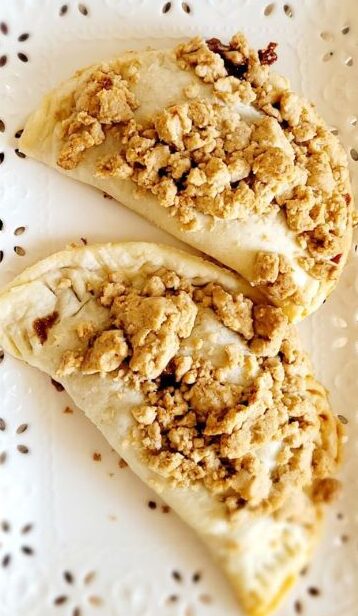
Sufganiyot are round, deep-fried pastries filled with jam or custard and dusted with powdered sugar, according to the Wikipedia entry on sufganiyah. The custom of eating fried fritters on the holiday is old, and a rabbi in the 12th century wrote about it.
The filled jelly doughnut itself shows up in a 1485 Nuremberg cookbook and spread across northern Europe, where 19th-century Germans called it a Berliner. Polish Jews, who called them ponchkis, fried them in schmaltz rather than lard to follow kosher laws.
Polish Jewish immigrants brought the pastry to Mandatory Palestine, where it was renamed sufganiyah, based on the Talmud’s phrase for “spongy dough.” From the 1920s, the Histadrut promoted it over latkes, and it became Israel’s most popular Hanukkah food. Israeli versions usually use sweet yeast dough and red jelly, most often strawberry, while fancier bakeries fill them with dulce de leche, chocolate, vanilla cream or halva.
That history is one reason the food rules that differ from country to country make good dinner conversation: a doughnut that appeared in a 1485 German cookbook became a national favorite in Israel.

Dairy Dishes, Dreidels and Gelt Share the Table
Fried food is not the whole story. Many families also serve cheese and other dairy dishes to recall Judith, who defeated the general Holofernes by serving him cheese and wine, the Wikipedia entry on the holiday notes. Sephardi, Polish and Israeli families often add bimuelos, a kind of fritter, next to the jam-filled doughnuts, and in Israel sufganiyot have largely replaced latkes.
Games fill the hours between courses. Players spin four-sided tops called dreidels and bet chocolate coins known as Hanukkah gelt, History.com reports. Each side of the dreidel carries a Hebrew letter standing for “Nes Gadol Haya Sham,” meaning “A great miracle happened there.” Some dreidels sold in Israel carry a different letter on the fourth side, for “A great miracle happened here.”
Planning Eight Nights Around the Calendar
The dates are the practical part. The first candle goes in on the evening of December 4, and the holiday ends at sundown on December 12, according to History.com. Wikipedia lists the same window, from sunset on December 4 to nightfall on December 12.
History.com adds that gift-giving varies. Some families give a gift each night, while others give one large gift or hold a single night for presents. A menu can work the same way: one fried dish each night, or one big batch for a single gathering and simple dinners on the other nights.
For anyone new to the table, the shortcut is the oil story. Every fried dish on the table points back to one day’s supply of oil that lasted eight nights, and that is what the latke and the jam-filled doughnut mean.
This article was produced with AI assistance and edited for accuracy against the sources linked above.
Image: Gatorfan252525 – CC BY-SA 4.0/Wikimedia Commons