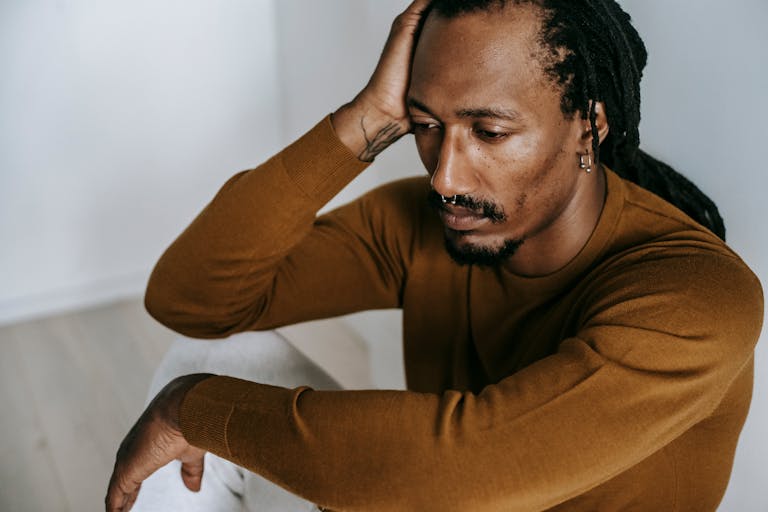
Some husbands do not walk out after one argument. They leave emotionally in the small moments nobody posts about. The cold dinner after a long shift. The quiet drive home after being embarrassed in front of friends.
The tenth apology he gives is just to stop a fight he did not start. The night he sits in the garage a little longer because the house feels less tense than the living room.
Good husbands are often more patient than people realize. They absorb stress, swallow pride, fix what they can, and keep showing up because they believe marriage is worth fighting for. But even the strongest man has a limit.
A marriage can survive hard seasons, money stress, parenting pressure, and bad days. It cannot survive forever when one person turns love into criticism, control, comparison, or emotional punishment.
Turning Every Small Mistake Into a Character Attack

Every husband forgets something sometimes. He may miss a grocery item, run late from work, say something clumsy, or forget a detail she mentioned while he was half-asleep on the couch.
That does not mean he is selfish, useless, immature, or “just like every other man.” Some wives turn ordinary mistakes into a full trial of his character, and after a while, he stops feeling corrected and starts feeling condemned.
This wears down a good husband, leading him to believe there is no safe way to be human. Relationship breakdown often occurs when partners attack each other’s character rather than address the problem, especially through criticism and contempt. A man can handle being told he made a mistake. What breaks him is being treated like the mistake is who he is.
Using Silence to Control the Mood of the House
There is a kind of silence every married man knows. It is not peaceful silence after a long day. It is the heavy silence that fills the kitchen, follows him down the hallway, and makes the whole house feel like a room where he is waiting to be sentenced.
Some wives call it ‘needing space,’ but when silence is used to punish, freeze him out, or force him to chase peace, it becomes emotional control.
A good husband may try to fix it at first. He asks what is wrong. He apologizes. He replays the day in his head, as if he is reviewing security footage. But over time, that pattern makes the home feel unstable. Strong couples need regular check-ins and healthy communication habits, not a house where one person’s silence controls the emotional weather.
Mocking Him in Front of Other People
A joke can be harmless until it lands on the same bruise again and again. Some wives tease their husbands about money, weight, career, family, private mistakes, or bedroom issues in front of friends, relatives, or even the children. Everyone laughs, so he laughs too, because most men would rather bleed quietly than make the room uncomfortable.
But humiliation does not disappear just because it came with a smile. Mocking a partner in front of others can become part of an unhealthy pattern, especially when public put-downs hurt more than the person admits in the moment. Public respect matters. When a wife makes her husband feel small in front of others, she may win the room for a minute, but lose a little more of his trust.
Treating His Paycheck Like Proof of His Love

Many husbands want to provide. They want to make life easier, cover the bills, help the family feel safe, and give their wives something to be proud of. The problem begins when his income becomes the scoreboard for his worth.
The vacation, the car, the bigger house, the nicer ring, the expensive dinner, and the lifestyle another couple has online suddenly become evidence of whether he loves her enough.
That kind of pressure can crush a man in a quiet way. Money can become a tool of control, shame, or pressure in relationships, which is why financial abuse patterns should never be treated as harmless marriage stress.
A good wife can want growth without making her husband feel worthless for not having more. Marriage should make financial stress easier to carry, not turn it into proof of failure.
Bringing Up Old Wounds During Every New Fight
Some arguments are not really arguments. They are history lessons with anger attached. A husband forgets something today, and suddenly, they are back in 2019. He says the wrong thing at dinner, and now the conversation includes every mistake he made during the first year of marriage. Some wives say they forgive, but keep the receipt forever.
This pushes good husbands to their limit because it makes repair feel impossible. If every new disagreement opens a museum of old pain, he eventually stops believing anything is truly resolved. Marriage needs memory, yes, but it also needs mercy. Without mercy, every argument becomes a trapdoor, and no husband wants to spend his life falling through the same floor.
Making Him Feel Guilty for Needing Space
A husband can love his wife deeply and still need a quiet hour after work. He can be committed and still need hobbies, friends, silence, or time to think. But some wives treat space like rejection. If he wants to decompress, he is distant. If he wants to see friends, he is selfish. If he wants one evening without a heavy conversation, he is avoiding the marriage.
That makes a good man feel guilty for having normal human limits. He starts hiding his need for rest because asking for it creates another problem. Over time, he may stop saying what he needs at all. That is dangerous because a man who never asks for space does not always feel close. Sometimes he is quietly creating emotional distance instead.
Expecting Him to Read Her Mind

Nothing exhausts a husband faster than being told “nothing” when something is clearly wrong. He can feel the mood shift, see the facial expression, hear the shorter answers, and notice the cabinet doors getting closed with extra meaning. But when he asks what happened, he gets a test instead of an answer.
Good husbands are not mind readers. They may love deeply, notice patterns, and want to understand, but they still need clear communication. A wife who turns her emotions into clues and expects him to solve them perfectly is setting both people up to lose. Marriage should not feel like a guessing game where the wrong answer starts another fight.
Comparing Him to Other Men
Comparison is one of the fastest ways to make a good husband feel invisible. Her friend’s husband earns more. Her sister’s husband plans better trips. Her coworker’s husband is more romantic. Some man online seems more stylish, more patient, more successful, or more emotionally available. Before long, he feels like he is competing against men who only exist in highlight reels.
A wife may think comparison will motivate him, but most of the time, it humiliates him. A husband can grow when he feels respected and encouraged. He shuts down when he feels like a disappointing version of someone else. A marriage is not strengthened by constantly pointing to another man’s scoreboard.
Refusing to Apologize Without Blame
Some apologies come wrapped in thorns. “I’m sorry you feel that way.” “I only said that because you made me mad.” “Fine, I apologized, can we move on?” These lines sound like apologies, but they do not heal anything. They dodge responsibility while pretending to offer peace.
A good husband may forgive this pattern for a long time because he wants the marriage to work. But eventually, he notices that accountability only moves in one direction. He is expected to apologize, soften, understand, and repair, while her apology comes with a footnote explaining why it was still his fault. Pride can slowly poison love, especially when one person refuses to own the damage they cause.
Acting Like His Feelings Are Less Important Than Hers

Some wives want deep emotional support from their husbands, but dismiss them the moment they open up. If he says he is tired, he is weak. If he says he feels unappreciated, he is dramatic. If he says something that hurts him, the conversation somehow becomes about what he did wrong first. Eventually, he learns that sharing his feelings only creates more trouble.
That silence is not strength. It is a disconnection. Relationship quality is closely tied to how couples communicate, and positive communication matters when partners want emotional safety rather than resentment. Men have emotions, even when they express them differently. A husband who stops talking is not always calm. Sometimes he has simply accepted that his feelings do not matter in the marriage.
Conclusion
Some wives push good husbands to their limit without realizing how slowly the damage builds. It may start with sarcasm, silence, comparisons, financial pressure, public disrespect, or small moments in which his feelings are brushed aside. Each moment may seem minor by itself, but marriage is often broken by repeated patterns, not by a single dramatic explosion.
A strong marriage does not require perfect people. It requires two people who can correct each other without cruelty, disagree without humiliation, apologize without pride, and love without turning every weakness into a weapon. A good husband may forgive many things, but he cannot carry the whole emotional weight forever while pretending it does not hurt.
The saddest part is that many husbands who reach their limit are not men who have stopped loving. They are men who loved for a long time without feeling loved well in return. Respect, kindness, and accountability are not extras in marriage. They are the foundation. Without them, even the most patient husband eventually stops fighting to be heard and starts looking for peace wherever he can find it.