The guest list for a holiday dinner often has a gray area: the friend who asks, a day before, whether a cousin can tag along. A national survey says that move bothers hosts more than anything else a guest can do.
Talker Research surveyed 2,000 Americans who planned to host guests for the holidays, and 55% named inviting someone else without telling the host as the worst thing a guest can do. The survey, published Dec. 19, 2024 and commissioned by Finish, the maker of Jet Dry dishwasher rinse aid, ranked that behavior ahead of failing to thank the host (47%) and wasting food (35%).

An Uninvited Plus-One Tops the Complaint List
The 55% figure leads a short list of guest behaviors that hosts rated worst. Failing to thank the host came second at 47%, and wasting food and leaving the sink running tied at 35%. Not offering to help with the dishes rounded out the five at 20%.
The data comes from an online survey fielded Nov. 20 to 26, 2024, so it describes the previous holiday season rather than this one. Thanksgiving falls on Nov. 26 this year. The sponsor is a dishwasher-product brand, which is worth keeping in mind when reading the dish-related results, though the plus-one finding has nothing to do with dishes.
A single extra guest changes more than a place setting. The host has to find another chair, stretch a pot of potatoes and recount the plates, and the survey’s dish counts show how tight that math already is. The survey does not give reasons for the ranking, but that planning burden is one plausible explanation for why an unannounced plus-one scored higher than forgotten thanks. Frenz Hub’s list of 15 old-school etiquette rules that have disappeared shows how much of this guest etiquette once went unspoken.
The site craftingyourhome.com has covered the in-law and house-guest side of this subject in a post about a TikToker’s advice on acting like a guest while living with in-laws, and in a report on Airbnb hosts and checkout chores such as running the dishwasher. Both touch on how chores can turn into friction when a house is shared.
Hosts Say Yes to Help, With One Catch
Hosts are not shy about accepting help. In the Talker survey, 68% would ask guests to help with dinner preparations and 60% would ask for help with cleanup. The tasks hosts most want covered are setting the dinner table (35%), washing dishes and glassware (26%) and taking out the trash or recycling (22%), followed by wiping surfaces and cooking, each at 20%.
The catch is trust. Of the hosts surveyed, 35% do not trust guests to wash dishes as well as they would themselves. Wikipedia’s entry on the potluck describes a different arrangement, one in which each guest brings a ready-to-serve dish so the work of preparing the meal is shared before anyone sits down. Frenz Hub’s list of 15 simple etiquette tips for being the perfect houseguest covers the guest side of that bargain.
Dish Counts Explain the Sink Pile-Up
The survey also counted plates. The average household has about five full sets of dishes, and 49% have more guests than full sets. Some 29% expect to wash dishes at least three times in a single evening, and 61% set a formal dinner table when company comes. Half of hosts keep better-quality dishes just for guests.
Home dishwashers have been around for a long time, with Wikipedia dating the first commercially successful hand-powered model to Josephine Cochrane’s 1886 invention and calling them commonplace in U.S. homes by the 1970s. Even so, a large dinner can outrun any dishwasher, which is why Frenz Hub’s post on cleaning a dishwasher to reduce smells and dirt is a handy read before a big hosting weekend.
The Kitchen Carries Most of the Load
Preparing meals is the most time-consuming hosting task, according to 40% of hosts. Grocery shopping came next at 16%, and cleaning the kitchen followed at 10%. Separately, 65% said they clean the home right up until the first guests arrive, and 45% doubt they will have enough time to prepare.
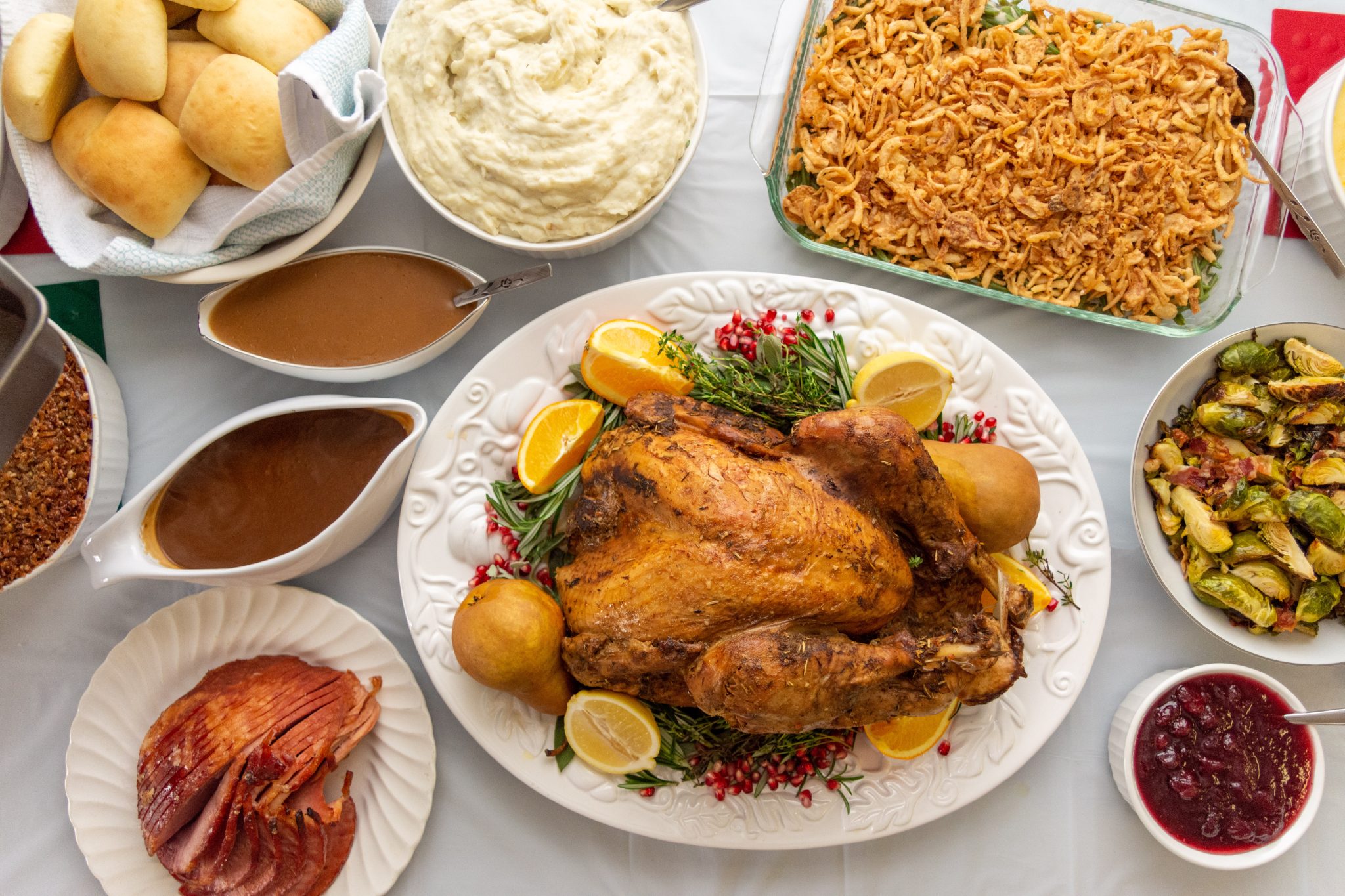
First impressions, the survey found, come mostly from the food. Hosts said cooking (69%) matters most, followed by meal presentation (43%) and shiny glassware and dishes (17%). That order explains why a surprise extra guest lands hard: a plate, a chair and a portion all have to be found at the last minute.
The same pattern shows up in the small print of the report. For formal dinners, 58% of hosts serve multiple courses and 41% serve multiple beverages, which makes a table that is hard to extend on short notice. A heads-up text a few days ahead costs a guest nothing and gives the host time to adjust the shopping list.
What the Numbers Say About Holiday Etiquette
A separate survey adds context for the season. An Instacart report built on a Harris Poll found that 89% of U.S. adults planned to celebrate Thanksgiving, and 30% of men and 30% of women planned to cook the entire meal. With that many cooks at work, the Talker findings read as a plain request: tell the host before anyone else comes.
The Talker numbers boil down to a short guest checklist: ask before inviting anyone, offer thanks, finish the food on the plate, turn off the tap and offer to help with the dishes. For hosts, the survey shows that most plan to ask guests for help, even if some doubt the dish-washing standards will match their own.
This article was produced with AI assistance and edited for accuracy against the sources linked above.
Image: Andre Carrotflower – CC BY-SA 4.0/Wikimedia Commons