A TikTok creator is urging Americans to withdraw cash and request smaller bills after November disruptions involving Microsoft 365, air traffic control and online banking. @kieriosityy says people rely on phones and cards so completely that they have no backup when payment channels fail. The Post calls the warning pattern recognition.
Keeping cash nearby makes sense. The incidents do not show a banking collapse: they involved different systems and causes, and the banking disruption was temporary.
November’s outages hit different systems
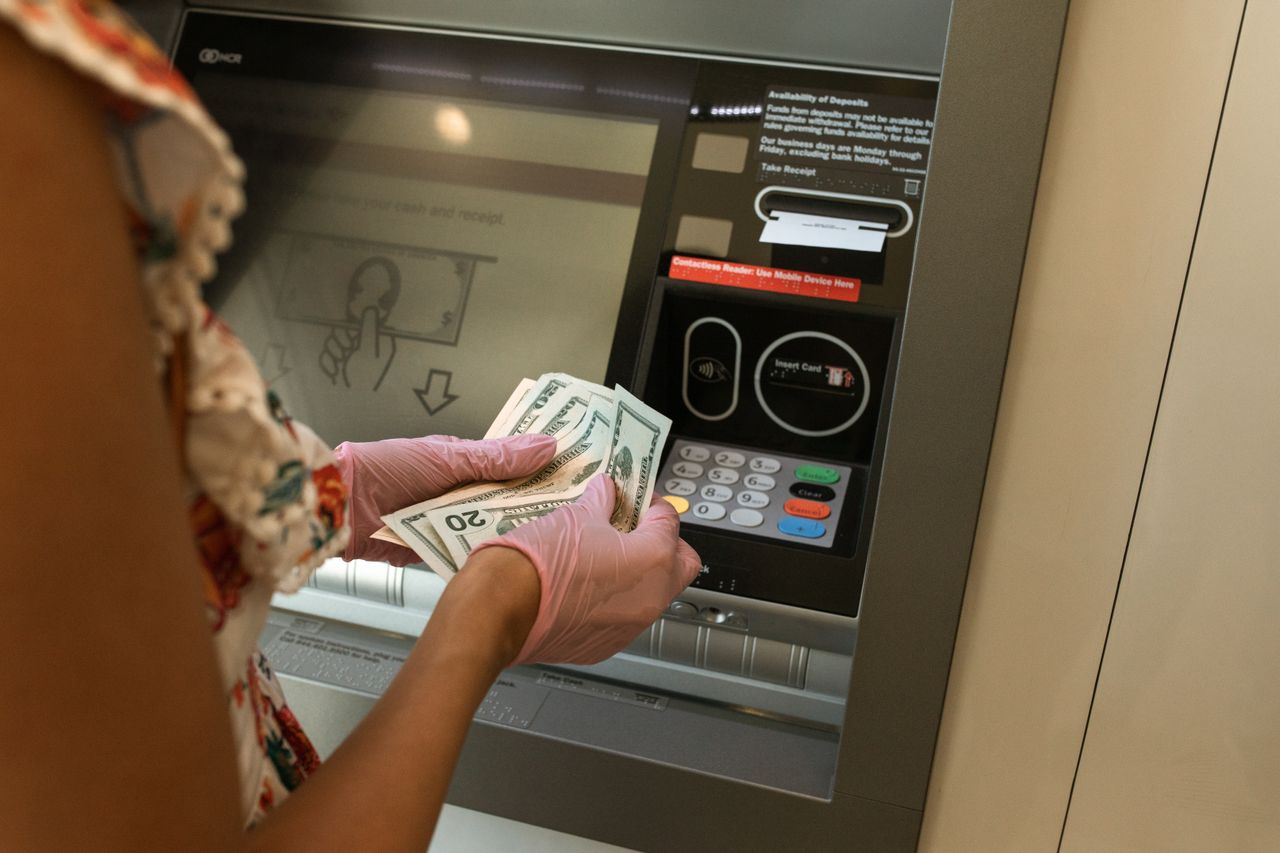
Image Credit: RDNE Stock project/Pexels
A Microsoft outage that began November 12 disrupted Outlook, Teams, Copilot and other Microsoft 365 services into the next day. The Associated Press reported nearly 130,000 Downdetector reports about Outlook after 1 p.m. Eastern on November 13. Users struggled to load inboxes or send and receive email. Microsoft cited elevated infrastructure load and servers failing automated health checks.
On November 13, the Federal Aviation Administration ordered a nationwide ground stop after telecommunications instability reached 17 of its 22 air route traffic control centers. The agency later reported about 12,462 flight cancellations that day, while noting that not all were directly caused by the stop. The FAA said every aircraft landed safely and found no indication of a cyberattack. Its FAA account pointed to legacy systems and network instability.
On November 16, Chase customers reported account-access problems after a software bug affected internal hardware and transactions. The Associated Press said other banks experienced delays when transactions involved Chase, but Bank of America and Citigroup were not independently down. Chase said the issue was not cyber-related, while Zelle said its network remained operational.
On November 24, a radar outage at Chicago’s O’Hare airport delayed incoming flights. Reuters reported about 373 delayed flights, averaging 47 minutes. The problem was localized, not another nationwide grounding.
A card is not a backup plan
The warning lands because many households have made digital payments their only payment plan. A phone can function as a wallet, banking branch and payment tool, but all those conveniences depend on systems staying connected. When an app, network or card processor fails, a customer may have money in the account and still struggle to spend it through that channel.
A payment outage does not mean deposits have disappeared, a bank is insolvent or customers have lost their money. It can mean the digital route between a customer, bank and merchant is temporarily unavailable.
Most card purchases depend on more than the plastic in a wallet: a working terminal, a connection to the payment network and authorization from the issuer. Cash avoids those electronic steps for an in-person purchase, provided the seller is open and willing to accept it. It will not help with online shopping or automatic bills, which is why it should be one layer of a plan.
Cash can bridge that gap for food, fuel or transit. Smaller bills help because businesses with power or internet interruptions may be unable to process cards or make change for large notes.
FEMA has recommended cash for emergencies
FEMA’s January 2025 Resolve to Be Ready toolkit recommends keeping a small amount of cash safely at home, specifically in small bills because ATMs and credit cards may fail during disasters. Its Emergency Financial First Aid Kit also recommends cash for purchases if ATMs are down or banks are closed.
FEMA’s separate EFF guidance does not set one dollar target; it says the amount should reflect a household’s basic needs, including food and fuel. That leaves families to choose a reserve they can afford and safely store.
Smaller notes also make the reserve easier to use for modest purchases. Someone buying fuel, bread or household basics should not have to depend on a cashier having change for a large bill.
A storm, local internet failure or frozen banking app can interrupt a checkout. Cash gives households another way to pay.
Preparedness should not become a bank run
Turning technical problems into warnings that everyone should withdraw savings risks creating needless panic. The November events had separate explanations, with no established shared cause or coordinated attack.
The Federal Deposit Insurance Corporation protects eligible deposits up to at least $250,000 per depositor, per insured bank, per ownership category. That protection applies if an insured bank fails; it does not keep apps, ATMs or payment networks running.
Nobody needs to empty a checking account after an app outage. Large cash holdings can be lost, stolen or damaged. Keep an amount that the household can store safely and use for a short interruption.
Keep small bills safely, maintain a backup payment method and save the bank’s official phone number. After an outage, check whether a delayed transaction posted before retrying it.
Convenience should not be mistaken for security
The creator is right about one uncomfortable habit: people postpone preparation because their systems usually work. A blank ATM or declined card is a bad time to discover every dollar sits behind a login screen.
Cash cannot replace savings or a functioning bank account. It cannot pay every recurring online bill or help when a merchant is closed. It can buy breathing room when digital payments fail. Americans do not need to panic over November’s outages, but they should stop treating convenience as a guarantee.