A presidential address usually arrives with a familiar television ceremony: a White House backdrop and every major network carrying the same live feed. On Thursday, July 16, 2026, that tradition cracked. CNN declined to show President Donald Trump’s election-focused speech live on its cable channel, saying journalists needed time to examine his claims and review newly declassified documents.
The decision quickly became part of the story. Trump was preparing to revive claims about the 2020 election, foreign interference and weaknesses in American voting systems. CNN chose analysis over an uninterrupted broadcast, while ABC and NBC also kept the speech off their main television networks. The confrontation raised a difficult question: Should a news organization carry a president live, or stop questionable claims from reaching millions without scrutiny?
What CNN Actually Said
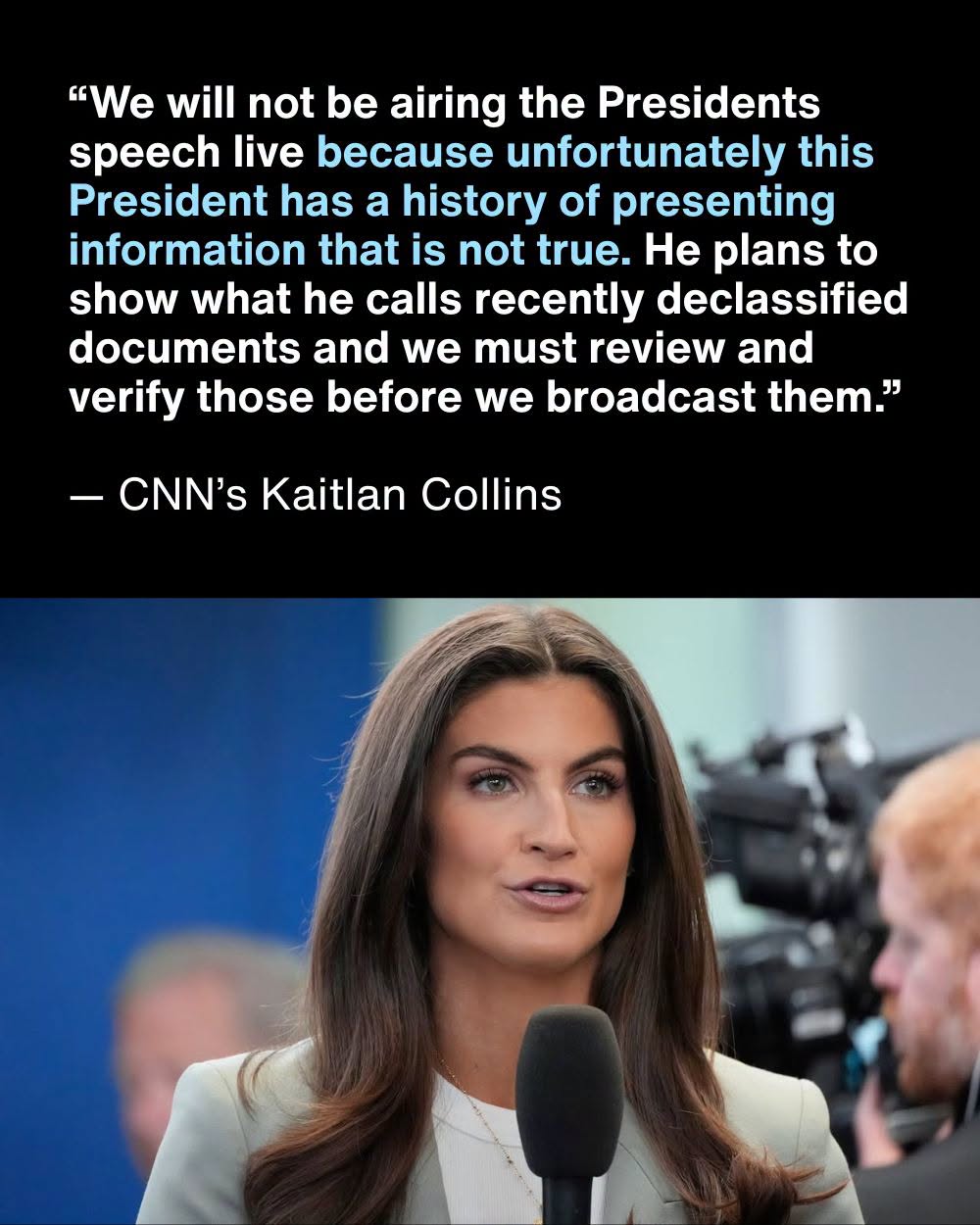
The Facebook statement is broadly consistent with CNN’s explanation, but it does not appear to be a precise quotation from a single person. Anchor Kaitlan Collins told viewers the network was not taking the speech live because of Trump’s “well-documented history” of false statements. Correspondent John King gave a fuller explanation, saying CNN would watch for breaking news while reviewing the president’s claims and declassified material before broadcasting or contextualizing it.
CNN did not completely block access. The network made a live feed available on its website and through its CNN All Access streaming service, while its television channel used panels and fact-checking. ABC and NBC followed a similar path by offering the address digitally while their main channels continued regular programming.
Other networks made different choices. Fox News and Fox Broadcasting carried the address live. CBS joined several minutes after it began, then cut away before it ended, moving into fact-checking. MS NOW showed part of the speech before breaking away for commentary. By the final minutes, Fox News was the only major national television outlet still carrying Trump uninterrupted.
What Trump Claimed in the Speech
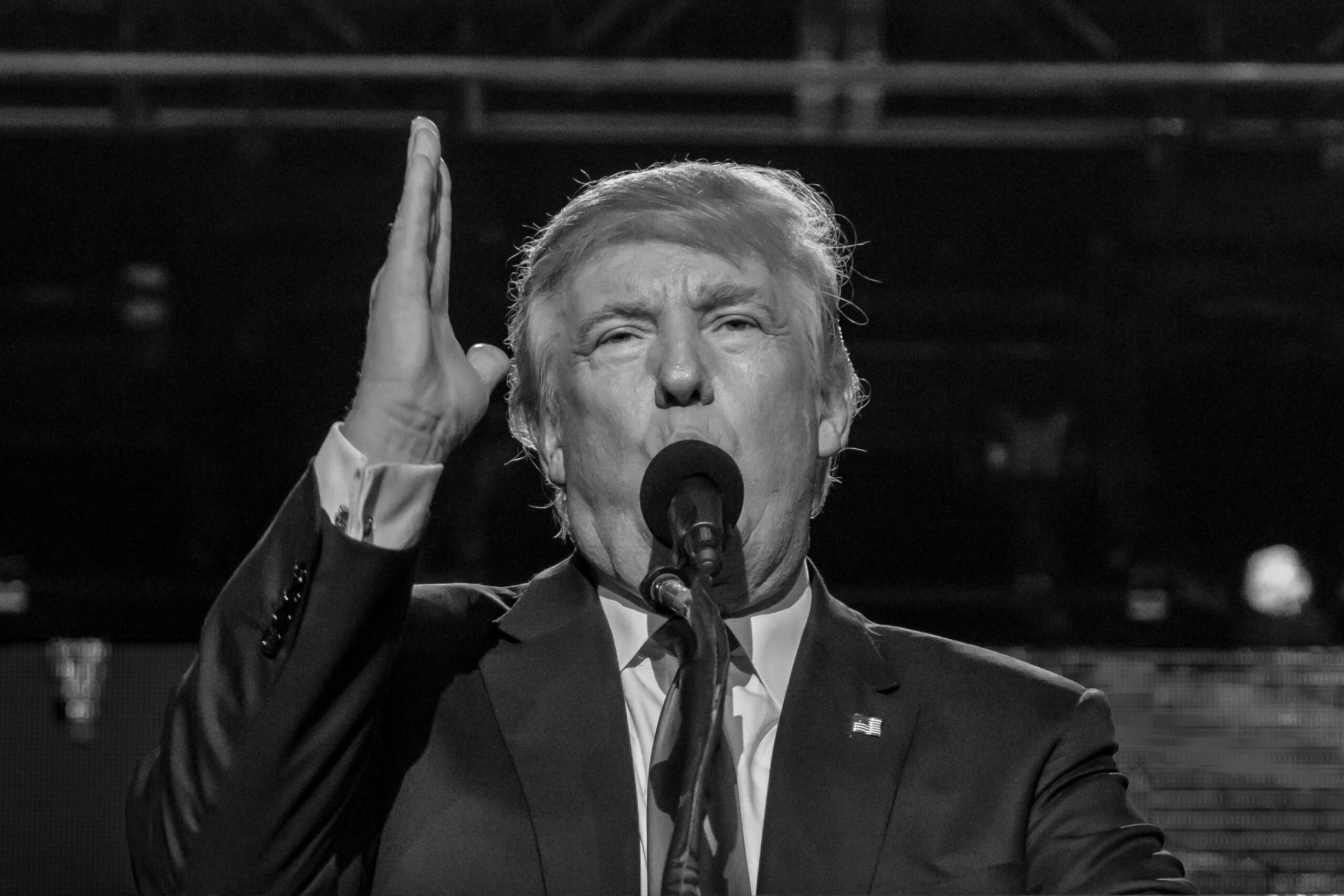
Trump used the roughly 25-minute address to argue that newly declassified intelligence revealed serious vulnerabilities in American elections. He alleged that China had obtained information connected to about 220 million U.S. voters and accused intelligence officials of suppressing evidence. He also repeated claims about noncitizens on voter rolls, voting systems and the legitimacy of the 2020 presidential election.
The documents did not establish that China changed votes or altered the 2020 outcome. A 2021 U.S. intelligence assessment found no indication that any foreign actor successfully changed voter registration data, ballots, vote counts or reported results. Reuters reported that some voter information associated with China was not confidential and resembled data routinely obtained by political consultants.
Some released material also cut against Trump’s argument. One document said large-scale manipulation of vote-tabulation systems would be difficult. Another discussed Chinese intelligence activity but said Beijing did not intend at that point to covertly sway the election. Trump presented the material as proof of a sweeping problem, but the address did not provide evidence that foreign actors changed the final vote.
Trump also urged Congress to pass legislation requiring photo identification for voting and proof of citizenship for registration, while restricting mail ballots. Supporters call such measures election safeguards. Democrats and voting-rights groups argue they could create barriers for eligible voters. The proposal had passed the Republican-controlled House but lacked enough Senate support to overcome a filibuster.
A Fight Bigger Than One Broadcast
Trump reacted sharply to networks that did not air his live coverage. During the address, he accused NBC, ABC and other media organizations of participating in a “plot” and suggested broadcasters should face license consequences. The FCC, however, says individual television station licensees generally have discretion to choose what their stations broadcast, with First Amendment protections applying to programming decisions.
The controversy exposed two competing visions of journalism. One says the president’s words are inherently newsworthy and should be shown in full so citizens can judge them. Syracuse University media scholar Robert Thompson argued that even a speech expected to contain falsehoods should be aired because witnessing exactly what a president says has civic value.
The opposing view says live television can turn an unverified claim into national reality before reporters can test it. CNN adopted that approach, treating the speech as material for examination rather than a ceremony to be transmitted. Critics called the decision censorship and political gatekeeping. Defenders called it responsible editing.
The factual takeaway is less dramatic than the viral post suggests. CNN did not erase Trump’s speech, and Americans could watch it through several television and streaming outlets. The network made an editorial decision not to give its cable channel to an uninterrupted address built around disputed election claims.
That choice will not settle the argument. In an era when presidents can broadcast directly online, and audiences choose media that confirms their beliefs, the contest is no longer simply over airtime. It is over who earns trust when the cameras are rolling, the documents are incomplete, and the nation is deciding what to believe.