A massive Honda recall is putting more than 880,000 drivers on alert, and the issue is not the kind of problem most owners would spot during a normal walkaround. The concern sits underneath the vehicle, around the rear subframe, where corrosion can weaken key rear suspension mounting points and increase the risk of a serious failure.
We are not looking at a minor inconvenience or a cosmetic defect. We are looking at a safety recall involving family SUVs, a popular midsize pickup, and an Acura luxury SUV, all tied to a hidden rust risk that could affect vehicle control if the rear suspension fails.
The Honda recall 880,514 vehicles campaign covers certain Honda Pilot, Honda Ridgeline, Honda Passport, and Acura MDX models. The recall is especially important for drivers in cold-weather states where road salt, moisture, snow, and years of winter driving can quietly attack metal components beneath the vehicle.
Honda Recall 880,514 Vehicles Over Rear Suspension Corrosion
Honda is recalling 880,514 vehicles because rear suspension components may fail if corrosion develops around the rear subframe mounting points. The rear subframe helps support key suspension components, so damage in that area can become more than just a maintenance concern.
If the corrosion becomes severe, the rear suspension may fail, and the driver could lose control of the vehicle. That is the central safety issue behind the recall. A vehicle can still look clean from the outside while corrosion underneath creates a much bigger problem.
Honda has estimated that only about 1% of the recalled vehicles may have the defect. Still, the recall population is large because the company must account for vehicles that may have been exposed to conditions that increase the risk of corrosion.

Which Honda and Acura Models Are Affected
The recall includes certain 2016 to 2022 Honda Pilot vehicles, 2017 to 2023 Honda Ridgeline vehicles, 2019 to 2023 Honda Passport vehicles, and 2014 to 2020 Acura MDX vehicles.
These models matter because they are not rare vehicles sitting at the edge of the market. The Honda Pilot is a family SUV used for school runs, vacations, errands, and long commutes. The Ridgeline is a practical pickup for drivers who want utility without the rougher feel of a traditional truck.
The Passport is often chosen by buyers who want cargo room, comfort, and outdoor flexibility. The Acura MDX is a popular luxury family SUV. That makes this recall more personal for many owners because these vehicles often carry children, relatives, groceries, work gear, and passengers who trust the driver to get them home safely.
Why Cold-Weather States Are Central to This Recall
The affected vehicles were sold in Connecticut, Delaware, the District of Columbia, Illinois, Indiana, Iowa, Kentucky, Maine, Maryland, Massachusetts, Michigan, Minnesota, Missouri, New Hampshire, New Jersey, New York, Ohio, Pennsylvania, Rhode Island, Vermont, Virginia, West Virginia, and Wisconsin.
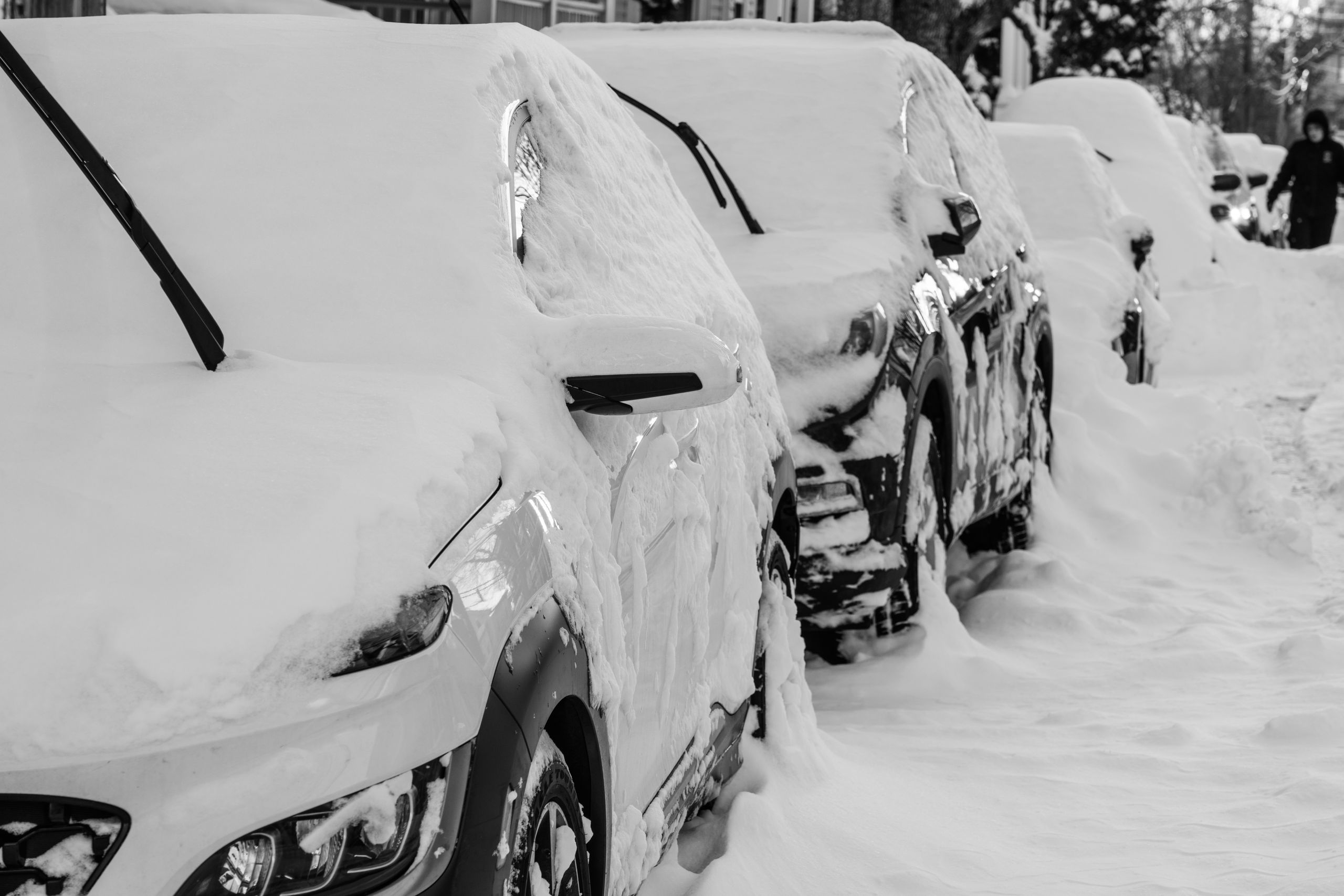
That list tells an important story. Many of these states deal with snow, ice, freezing temperatures, road salt, and slushy winter roads. Over time, that mix can be harsh on the underside of a vehicle, especially around metal parts that hold suspension components in place.
This is why the recall has a strong regional angle. Owners in the Northeast and Midwest should pay close attention, but drivers outside those states should not assume they are safe. A used vehicle may have been sold in one state and later moved to another.
The Hidden Risk Under the Vehicle
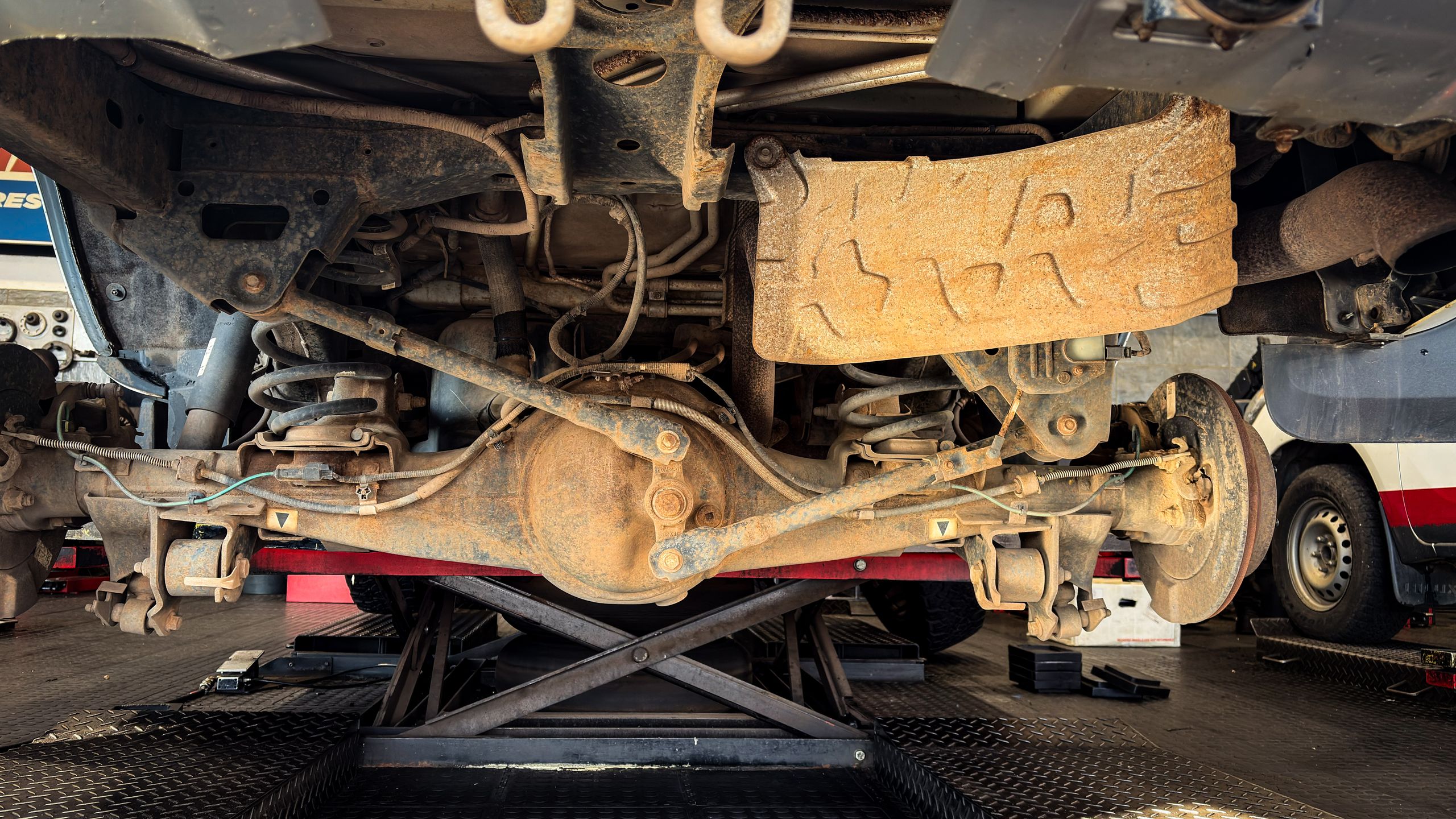
One reason this recall deserves attention is that the problem may not be obvious to the average owner. A driver can wash the vehicle, check the tires, look at the paint, and still miss corrosion developing around the rear subframe.
The rear subframe area is not something most people inspect regularly. It usually takes a dealer, a lift, or a trained technician to see what is happening underneath the vehicle. That makes the recall more urgent because the risk can stay hidden until the vehicle is inspected.
This is also why owners should not wait for a strange noise or a dramatic change in handling before taking action. A recall inspection exists because some safety problems are not easy to detect from the driver’s seat.
Why a Rear Suspension Failure Can Be Serious
The rear suspension helps the vehicle stay stable while turning, braking, changing lanes, and driving over uneven roads. If the rear suspension loses proper support, the vehicle may react unpredictably.
That can be especially dangerous at higher speeds, in traffic, on wet roads, or during sudden maneuvers. A driver may have only a short moment to respond if the vehicle begins to feel unstable or difficult to control.
This is why the recall is more than a technical repair notice. It involves a part of the vehicle that helps maintain control, and control is one of the most important parts of crash prevention.
Honda Says No Injuries or Deaths Have Been Reported
Honda has said there have been no warranty claims and no reports of injury or death related to this recall issue. That is a reassuring detail, but it should not make owners careless.
The purpose of a recall is to fix a potential safety problem before it becomes a tragedy. A lack of reported injuries does not erase the seriousness of a possible rear suspension failure.
For owners, the practical takeaway is simple. Do not wait until the vehicle feels unsafe. If the VIN is included in the recall, schedule the inspection and let the dealer determine whether repairs are needed.
What Honda and Acura Dealers Will Do
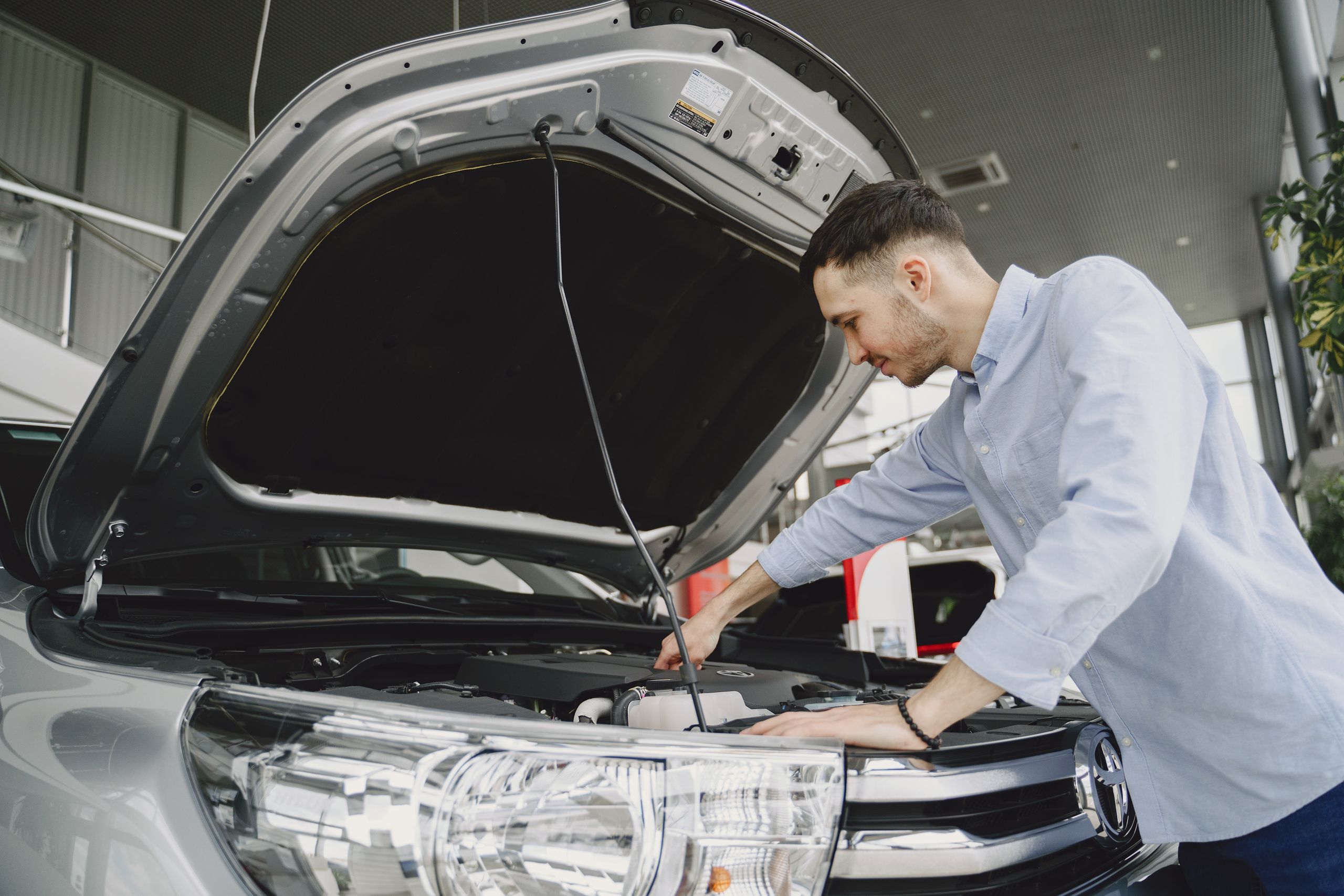
Honda and Acura dealers will inspect the rear subframe at no cost to owners. If needed, dealers will install a reinforcement kit. In more serious cases, dealers may repair or replace rear subframe components.
That no-cost repair is one of the most important details for owners. A covered recall repair should not come out of the owner’s pocket. The inspection and required remedy are part of the recall process.
Because the recall covers more than 880,000 vehicles, owners should not wait too long once they confirm their VIN is included. Dealer appointments may become harder to secure once notification letters reach more households.
Owner Letters and Recall Numbers
Owner notification letters are expected to be mailed starting July 7. The National Highway Traffic Safety Administration campaign number for this recall is 26V367000.
Honda’s internal recall numbers are AOU and AOT. These numbers can help owners and service departments identify the campaign quickly when discussing the issue with a dealer.
Vehicle Identification Numbers connected to the recall are expected to be searchable through NHTSA beginning June 10. Owners may also contact Honda customer service at 1-888-234-2138.
How Owners Should Check Their VIN
Owners should not rely only on the model name or year. The best first step is to check the Vehicle Identification Number. The VIN is a 17-character code usually found at the lower corner of the windshield on the driver’s side.
It may also appear on the driver’s side doorjamb label, the registration, the title, or the insurance card. Once the VIN is available, owners can use the NHTSA recall lookup tool or contact a Honda or Acura dealer.
If the vehicle is included, owners should schedule the inspection as soon as possible. If the vehicle is not included, they should still keep the recall check result with their records, especially if they plan to sell the vehicle later.
Why Used-Car Buyers Should Be Extra Careful
This recall is also a warning for used-car buyers. Many affected vehicles are now old enough to appear on used lots, online marketplaces, and private-sale listings.
A clean-looking Honda Pilot or Acura MDX may still have spent years in a winter state where road salt attacked the underbody. A buyer may not know the full history unless they check the VIN and ask for service records.
Before buying a used Pilot, Ridgeline, Passport, or MDX from the affected years, shoppers should confirm whether the recall applies and whether the repair has already been completed. That one step could prevent a costly and dangerous mistake.
What Warning Signs Drivers Should Not Ignore
Owners should not try to diagnose the recall issue without a proper inspection, but they should still pay attention to how the vehicle feels. Clunking noises from the rear, unusual movement over bumps, visible rust underneath, or unstable handling should not be ignored.
Those symptoms do not automatically prove that the recall defect is present. Other suspension problems can create similar warning signs. Still, any unusual behavior in a recalled vehicle should be taken seriously.
The safest move is to let a Honda or Acura dealer inspect the rear subframe and determine whether a reinforcement kit, repair, or replacement is needed.
Why This Recall Matters Beyond Honda
This recall is also a reminder that vehicle safety is not always about airbags, brakes, headlights, or software. Sometimes, the most important risk is hidden beneath the vehicle, where corrosion can quietly weaken structural parts over many years.
For drivers in cold-weather states, underbody corrosion should never be treated as a small cosmetic issue. Salt and moisture can damage metal components that play a major role in how a vehicle handles and responds on the road.
The Honda recall 880,514 vehicles story should push owners to think beyond mileage and appearance. A vehicle can look dependable and still need urgent attention underneath.
What Owners Should Do Now
Owners should find their VIN, check whether the vehicle is included in the recall, and contact a Honda or Acura dealer if the vehicle is affected. They should not wait for the vehicle to feel unstable before taking action.
If the dealer confirms that the vehicle is affected, the owner should schedule the inspection and complete the repair. After the work is done, the owner should keep documentation for future records, especially if they plan to sell or trade the vehicle.
The recall may affect only a small percentage of the listed vehicles, but the consequences could be serious. When rear suspension components are involved, the smartest response is to verify quickly, have the dealer inspect, and complete the repair before the hidden risk becomes a real danger.