The California school lunch ban has transformed cafeteria trays into the centre of a national conversation. At first, parents and food vendors hear “ban” and imagine empty trays, higher prices, or children rejecting meals entirely.
Yet California’s AB 1264, signed by Governor Gavin Newsom in October 2025, targets the most concerning ultra-processed foods, adopting a phased approach that emphasises health, ingredient transparency, and realistic implementation in schools.
State health officials have until June 1, 2028, to define “ultraprocessed foods of concern.” Schools must begin removing restricted items by July 1, 2029, while vendors must begin complying with restrictions starting July 1, 2032. By 2035, targeted foods must be fully eliminated from school meals and competitive food programs.
This phased rollout ensures districts, vendors, and manufacturers have time to adjust, reformulate, and plan meals children will actually eat.
The California School Lunch Ban Is Targeted, Not Total
The law does not instantly remove pizza, breakfast bars, chicken sandwiches, or flavoured milk. Instead, it focuses on products containing harmful additives, excess sugar, saturated fat, sodium, and other industrial ingredients commonly found in shelf-stable or packaged foods.
A meal may look normal but still include emulsifiers, stabilisers, colourings, flavour enhancers, and preservatives designed for long shelf life and intense taste. Schools must now navigate both nutrition and palatability to ensure students accept the meals served.
Health Risks of Ultra-Processed Foods
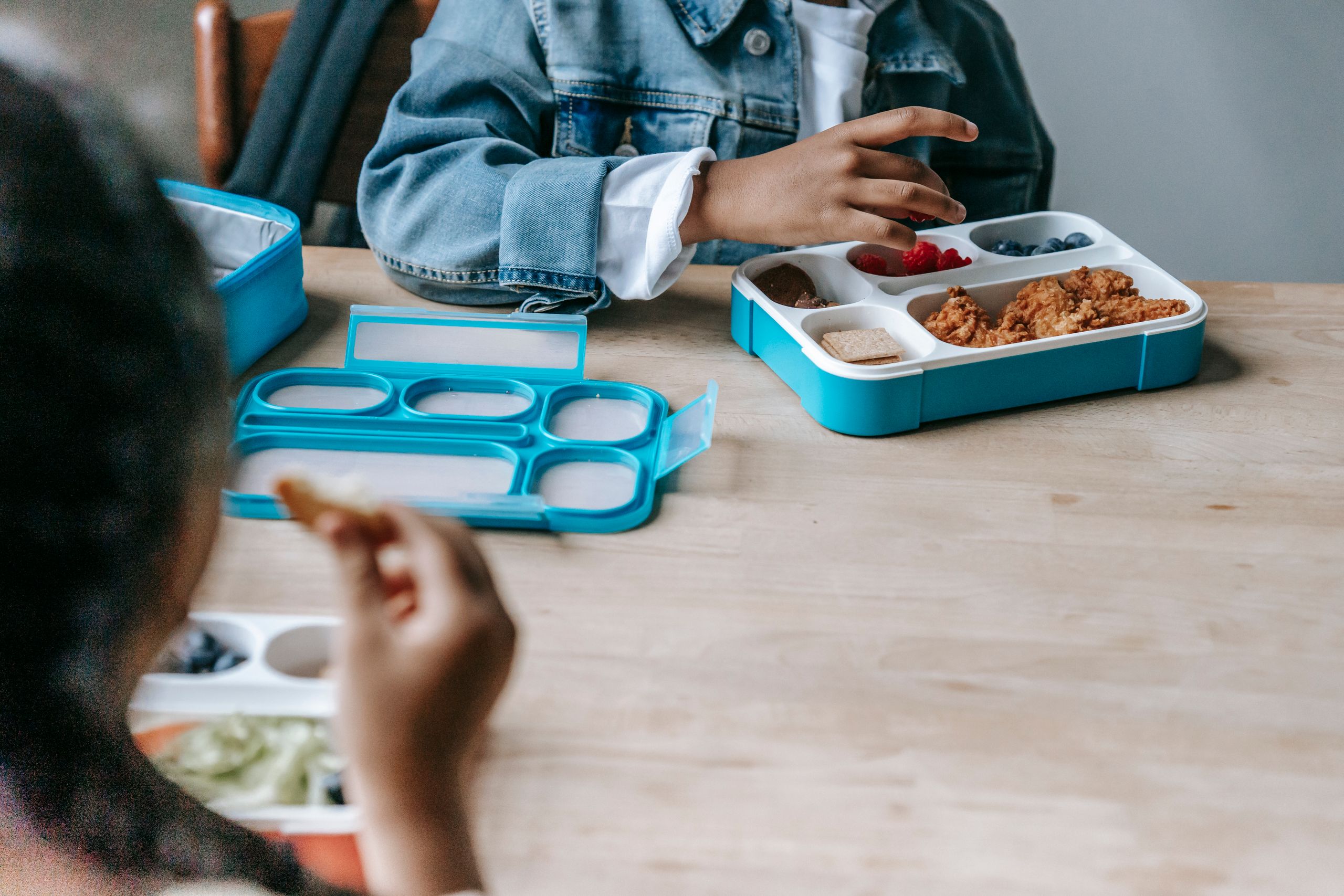
Children consume ultra-processed foods at a startling rate. CDC data from 2021–2023 shows that youth ages 1–18 obtain 61.9% of their daily calories from ultra-processed products. High consumption correlates with obesity, diabetes, cardiovascular risk, and attention or memory difficulties in school-aged children.
These findings underscore why policymakers are prioritising reform of school meals, making the California school lunch ban a public health intervention rather than a simple menu change.
Gradual Implementation Supports Realistic School Operations
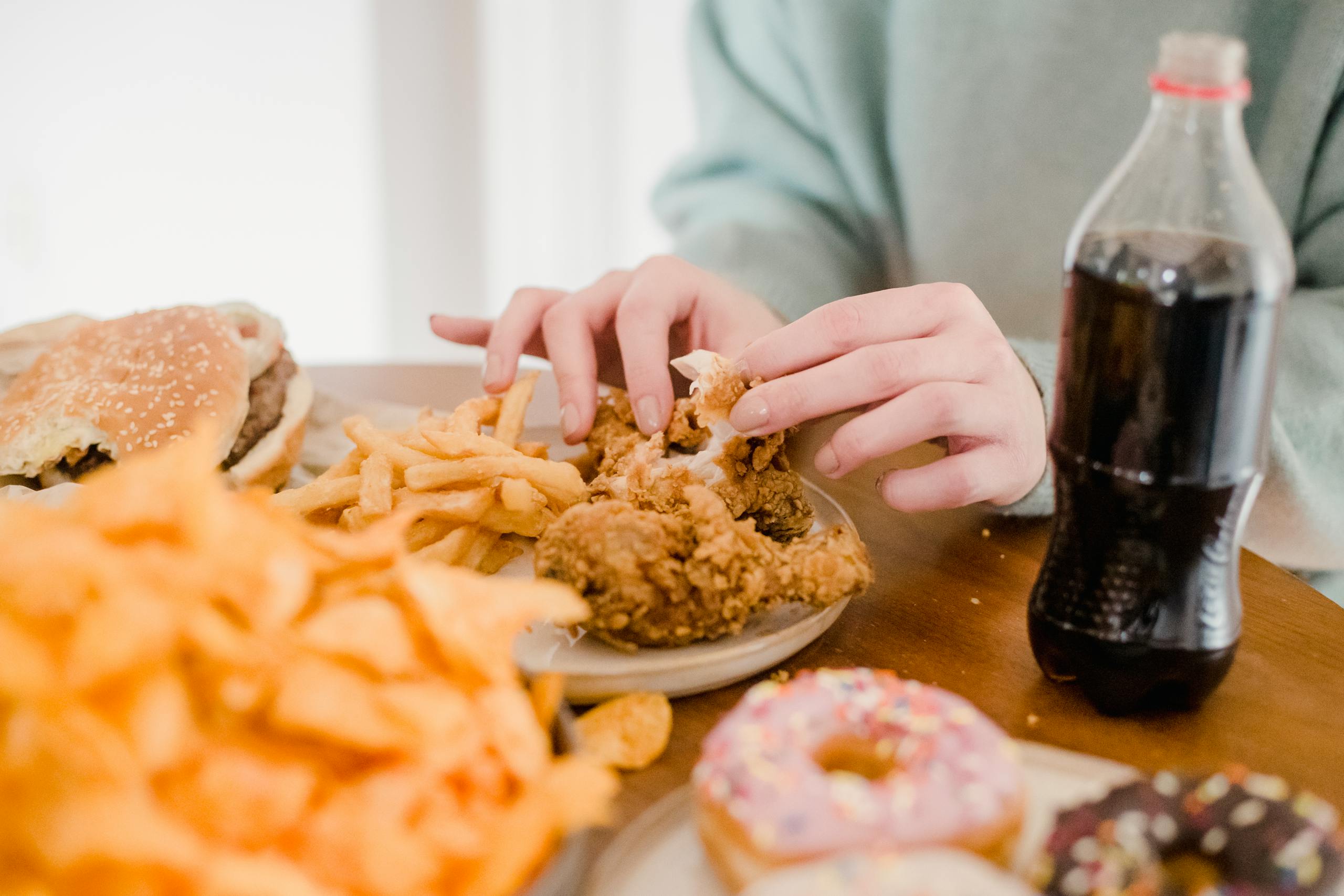
School kitchens operate under tight labour, budget, and time constraints. Many rely on heat-and-serve ultra-processed items due to limited staff or outdated equipment. AB 1264’s phased timeline allows districts to audit ingredient lists, negotiate vendor contracts, test reformulated products, and gradually adjust menus.
Pilot programs in the Los Angeles Unified School District demonstrated that reducing additives led to a 12% increase in fruit and vegetable intake without reducing meal participation, showing children can accept healthier options when phased in thoughtfully.
Economic Considerations and Vendor Responses
California’s schools spend over $1 billion annually on food. Phasing out ultra-processed products could raise costs 10–20% unless vendors reformulate. National food brands often adapt to avoid losing market access, potentially rolling out cleaner products beyond California. Past reformulations, such as New York City’s 2007 trans fat ban, led to nationwide product changes. AB 1264 could similarly influence how major manufacturers design school meals nationwide.
Equity and Access
Not all districts have equal resources. Schools in low-income areas often rely heavily on packaged, additive-heavy products. Without additional funding, these districts may face challenges complying with AB 1264. Equitable implementation may require grants, training programs, and local sourcing partnerships to ensure all students benefit equally from healthier school meals.
Cognitive and Behavioural Implications
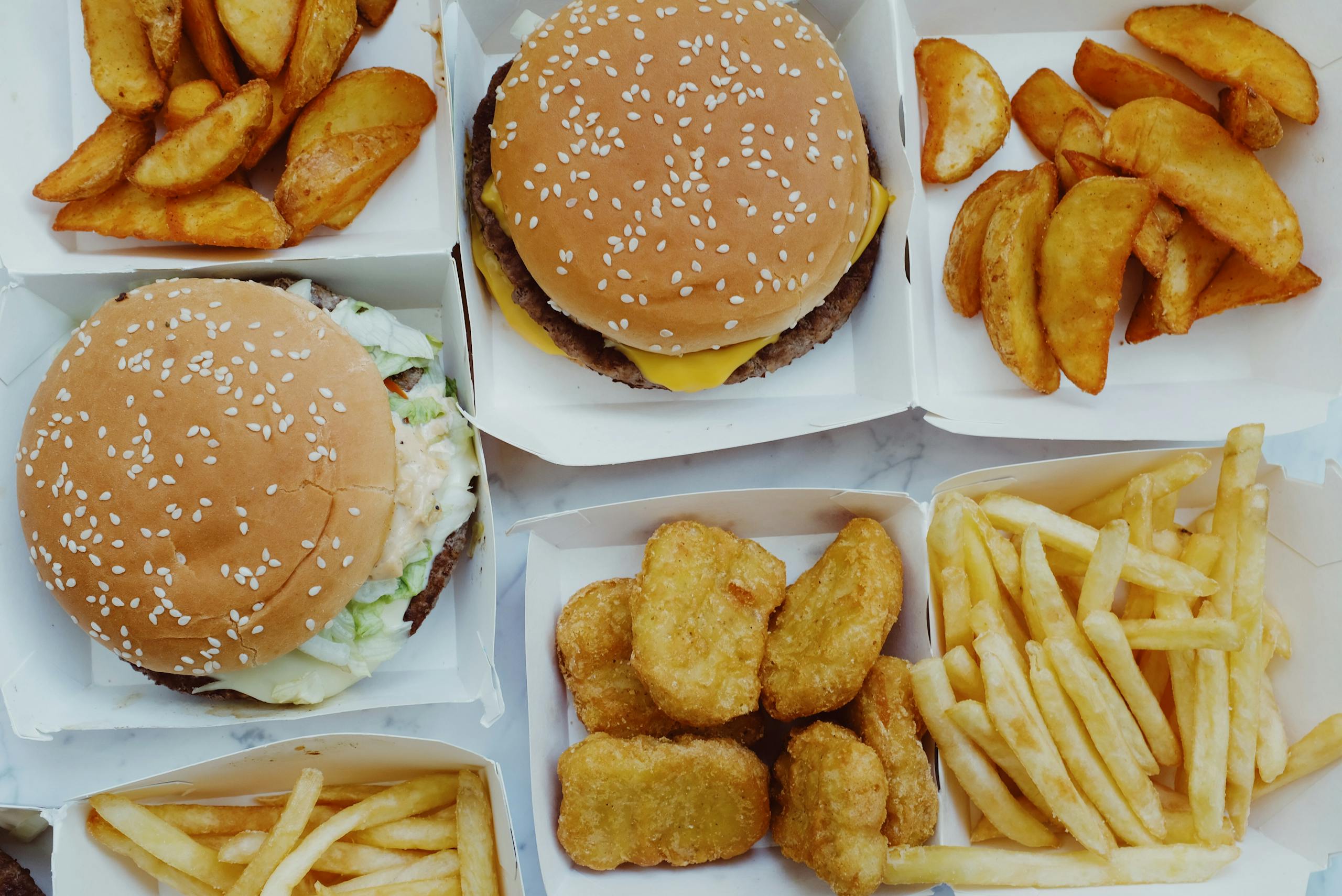
Beyond nutrition, diets high in ultra-processed foods have been linked to reduced attention, hyperactivity, and poorer memory performance in children. By removing additive-heavy foods, the California school lunch ban could support better academic outcomes and overall cognitive health, emphasising the law’s potential beyond calorie counts.
National Implications
California’s action sets a precedent. Other states, including West Virginia, New York, and Massachusetts, have pursued partial bans on artificial dyes and highly processed snacks. With nearly 1 billion meals served to California students annually, AB 1264’s influence may extend nationally, encouraging widespread reformulation and reshaping expectations of what school meals should provide.
Long-Term Health and Cost Benefits
Department of Public Health modelling suggests removing ultra-processed foods could reduce childhood obesity by 2–3% over the next decade, potentially saving $100–150 million in healthcare costs. Improved nutrition also provides lifelong benefits by reducing the risk of chronic disease and supporting healthy growth, demonstrating that the California school lunch ban yields tangible economic and health returns.

What Students Can Expect
Initially, changes may be subtle: breakfast bars with fewer colours, reformulated entrées, or snacks with less sugar. Over time, meals will contain shorter ingredient lists, fewer additives, and products aligned with nutritional standards. The law ensures children encounter healthier options daily, shaping long-term food habits and perceptions of what constitutes a normal meal.

Parents’ Role in the Transition
Parents can influence implementation by reviewing menus, engaging with districts, and advocating for meals that children will eat. Questions about ingredient changes, reformulated products, and culturally familiar foods help ensure the law’s intent to improve health without reduced meal participation is met.
Conclusion
The California school lunch ban is more than a policy; it’s a cultural statement about what children should see as normal food. It balances child health, operational reality, vendor adaptation, and equity. By focusing on harmful ultra-processed foods, the law aims to improve nutrition, support cognitive development, and influence national food standards, proving that what appears on a school tray matters far beyond lunchtime.