Holiday baking season fills the fridge door fast: extra pounds of butter on sale, a tub of yogurt for a coffee cake, a carton of sour cream for the dip that shows up every year. Then the question comes up at the freezer door: which of these can go in for later?
A dairy storage chart from the American Dairy Association North East gives a clear answer. Butter keeps 1 to 2 months in the fridge and 6 to 9 months frozen. Yogurt keeps 1 to 2 weeks in the fridge and 1 to 2 months frozen, while sour cream lasts until its package use-by date and shouldn’t be frozen at all.
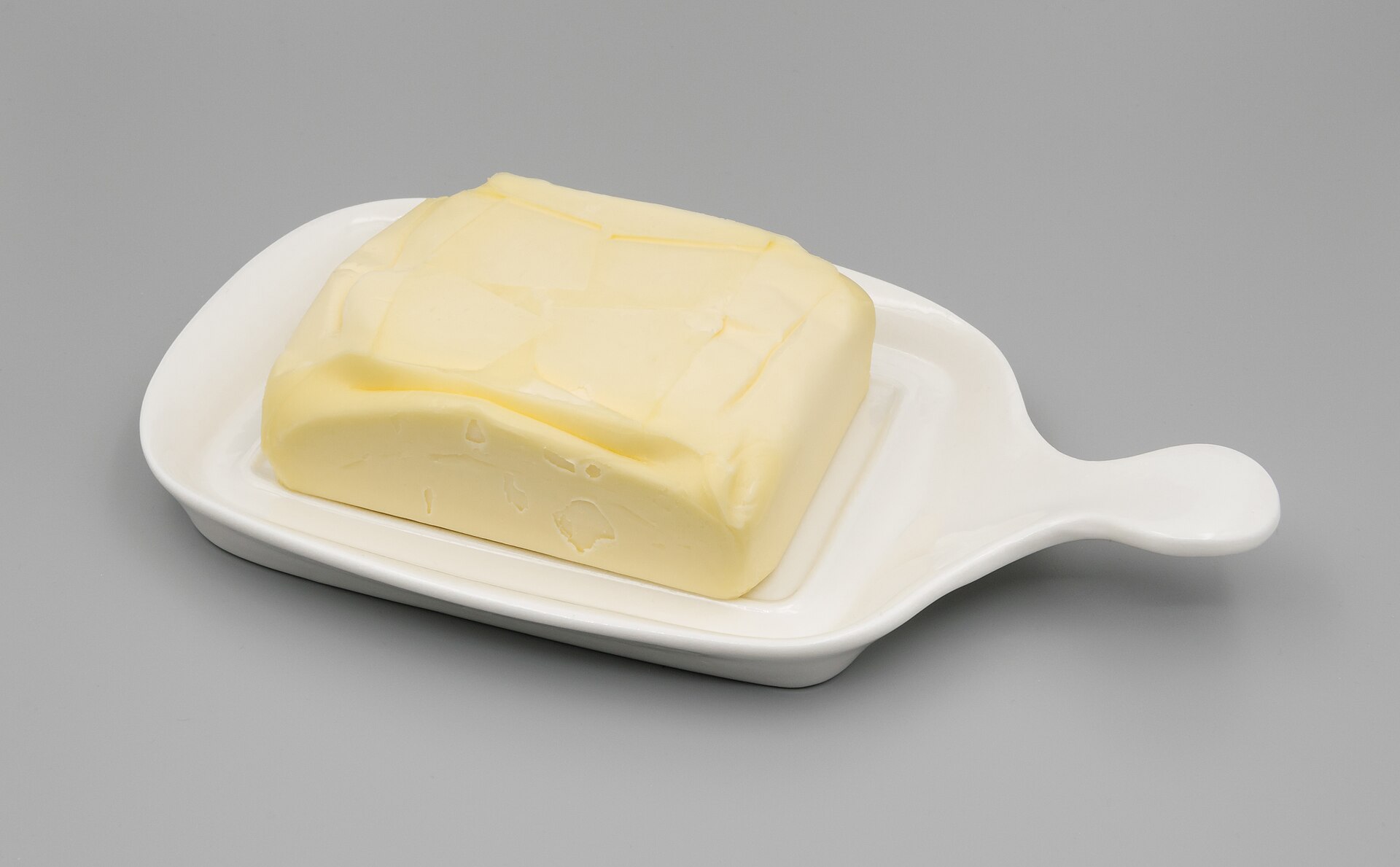
Butter: The Freezer Champion of the Dairy Case
The American Dairy Association North East storage chart lists butter at 1 to 2 months in the refrigerator and 6 to 9 months in the freezer, counted from the day of purchase. That makes butter the dairy staple best suited to stocking up when stores run their pre-holiday sales.
Butter is also mostly fat. As Wikipedia’s entry on butter explains, commercial butter is about 80% butterfat and only about 15% water.
Wrapping matters. North Dakota State University Extension recommends over-wrapping the store wrapper with freezer wrap and notes that unsalted butter loses flavor faster, so its freezer time is shorter. University of Missouri Extension adds that moisture-vapor-proof wrap keeps butter from picking up freezer odors, and the original carton can simply be over-wrapped.
Charts differ a little on the exact numbers. Timeless Dishes has also looked at how butter compares with margarine on another storage chart, and the takeaway is the same: butter freezes better than almost anything else in the dairy aisle.
A tidy fridge makes these windows easier to track. Frenz Hub’s kitchen organization ideas are a good starting point for keeping dated items in view, and CraftingYourHome.com’s fridge and freezer checks before the Thanksgiving grocery run fit right before a big shop. For a bit of nostalgia, the butter dish on the counter is as retro as the slang words from the swinging ’60s.
Yogurt: Short in the Fridge, Usable From the Freezer
Yogurt gets a much shorter window. The American Dairy chart gives it 1 to 2 weeks in the refrigerator and 1 to 2 months in the freezer.
Freezing works, but with a catch. NDSU Extension says cultured, soured dairy products such as yogurt lose their smooth texture when frozen, turning grainy and sometimes separating out their water. They can still be used for cooking, and flavored yogurts may hold up a little better.
That makes thawed yogurt a fine fit for muffins, quick breads and marinades, and a poor one for a parfait bar. Grandparents who kept a well-stocked kitchen had their own rules for this, and CraftingYourHome.com’s list of kitchen staples grandmothers kept within arm’s reach is a fun look back at that era. Frenz Hub’s guide to freezing fresh green beans follows the same idea of freezing at peak quality and planning how the food will be used later. Holiday cooks juggling a long list may find it easier with a plan, and Uncle Jo Living’s piece on keeping a steady pace through the holidays is written for exactly that kind of season.
Sour Cream: Use It by the Date, Skip the Freezer
Sour cream is the one item in the headline that should stay out of the freezer. The American Dairy chart lists it as good until the package use-by date in the refrigerator and marks freezing as “not recommended.”
The texture is the problem. Sour cream is cream fermented with lactic acid bacteria, which sour and thicken it. NDSU Extension puts it in the same cultured group as yogurt and buttermilk, all of which turn grainy and weep water after freezing. A dollop on a baked potato or a bowl of chili loses its whole appeal.
The practical move is to buy sour cream close to when it will be used, and to choose the smaller tub when a recipe calls for only a cup.

Milk, Cream Cheese and the Rest of the Dairy Shelf
The same chart covers the rest of the dairy case. Milk lasts until the package use-by date in the fridge and 3 months in the freezer. Missouri Extension says to thaw it in the refrigerator, then shake it or run it through a blender to redistribute the fat, and notes frozen milk may take on a yellow tinge.
Cream cheese keeps 2 weeks in the fridge, with freezing not recommended. Heavy cream keeps 10 days in the fridge and 3 to 4 months frozen. Hard cheese such as cheddar or Swiss keeps 6 months unopened, or 3 to 4 weeks after opening, and 6 months frozen.
Keeping Dairy Cold Enough
All of these windows assume the fridge and freezer are doing their job. The FDA’s refrigerator guidance says to keep the fridge at 40 °F or below and the freezer at 0 °F, and recommends an inexpensive appliance thermometer, since few fridge dials show the real temperature. The American Dairy chart puts it simply: dairy foods are perishable and should always be kept cold.
The short version for holiday baking season: butter can be bought ahead and frozen for 6 to 9 months, yogurt can be frozen for 1 to 2 months if it is headed for baking, and sour cream should be bought fresh and used by its date.
This article was produced with AI assistance and edited for accuracy against the sources linked above.