Kidney damage often creeps in silently, giving no dramatic warning signs until lab tests or sudden symptoms demand attention. Over time, high blood pressure, excess sugar, sodium, and processed ingredients quietly strain these vital organs.
Chronic kidney disease affects about 15% of U.S. adults, making dietary risk awareness crucial. Protecting kidneys means recognizing which foods overwork them and silently reduce function.
The kidneys filter waste, balance fluids, regulate electrolytes, and aid hormone production. When stressed, their efficiency drops, raising risks of hypertension, cardiovascular issues, kidney stones, and failure. Mindful food choices are a practical step to safeguard long-term kidney health.
Processed Meats Packed With Sodium and Preservatives

Bacon, deli meats, sausages, and hot dogs are convenient, flavorful, and often a daily habit—but their combination of high sodium, preservatives, and saturated fat can damage kidneys over time. Sodium increases fluid retention and blood pressure, forcing the kidneys to work harder to maintain balance.
Processed meats often include phosphate additives. When kidneys fail to filter them, these additives build up in the blood and threaten bone and cardiovascular health.
Even occasional consumption becomes risky when layered with other processed foods. Swapping in fresh chicken, fish, eggs, or plant-based proteins reduces kidney strain while still supporting dietary protein needs.
Fast Foods That Sneak in Hidden Salt
Burgers, fries, fried chicken, and pizza may taste indulgent, but they deliver concentrated doses of sodium, refined carbs, and unhealthy fats. According to the American Heart Association, over 70% of sodium intake in the U.S. comes from packaged and restaurant foods, not the salt shaker.
High sodium raises blood pressure, forces the kidneys to filter more fluid, and accelerates kidney wear. Better choices include smaller portions, grilled options, unsalted sides, and limiting the use of added sauces. Making fast food an occasional treat rather than a daily habit is essential for kidney longevity.
Sugary Drinks That Fuel Diabetes and Kidney Stress
Sodas, energy drinks, and sweetened beverages spike blood sugar, contribute to obesity, and increase the risk of type 2 diabetes, the leading cause of kidney disease. High blood glucose damages kidney blood vessels and, over time, diminishes filtration efficiency.
Sugary drinks can also elevate uric acid, increasing kidney stone risk. Replacing these beverages with water, herbal teas, or sparkling water helps maintain hydration without overloading the kidneys with sugar and additives.
Frozen Dinners and Highly Processed Convenience Foods

Pre-packaged meals promise convenience, yet they often carry sodium, phosphate additives, preservatives, and refined starches that challenge kidney function. High phosphate levels are especially risky for people with chronic kidney disease, as impaired kidneys struggle to remove excess phosphorus from the blood, which can lead to dangerous buildup.
Homemade or thoughtfully selected frozen meals with lower sodium and minimal additives can reduce risk. Incorporating fresh vegetables, whole grains, and lean proteins strengthens the diet while protecting renal health.
Excessive Red and Organ Meats
Large portions of beef, pork, lamb, liver, and other organ meats provide protein, purines, phosphorus, and saturated fats. For kidneys, this means more nitrogenous waste to filter, higher uric acid levels, and a potential for kidney stones.
Balanced protein intake is crucial; too much protein strains the kidneys, while too little can compromise overall health. Leaner meats, fish, poultry, and plant proteins in controlled portions create a safer pattern without sacrificing nutrition or flavor.
Salty Snacks and Brined Foods
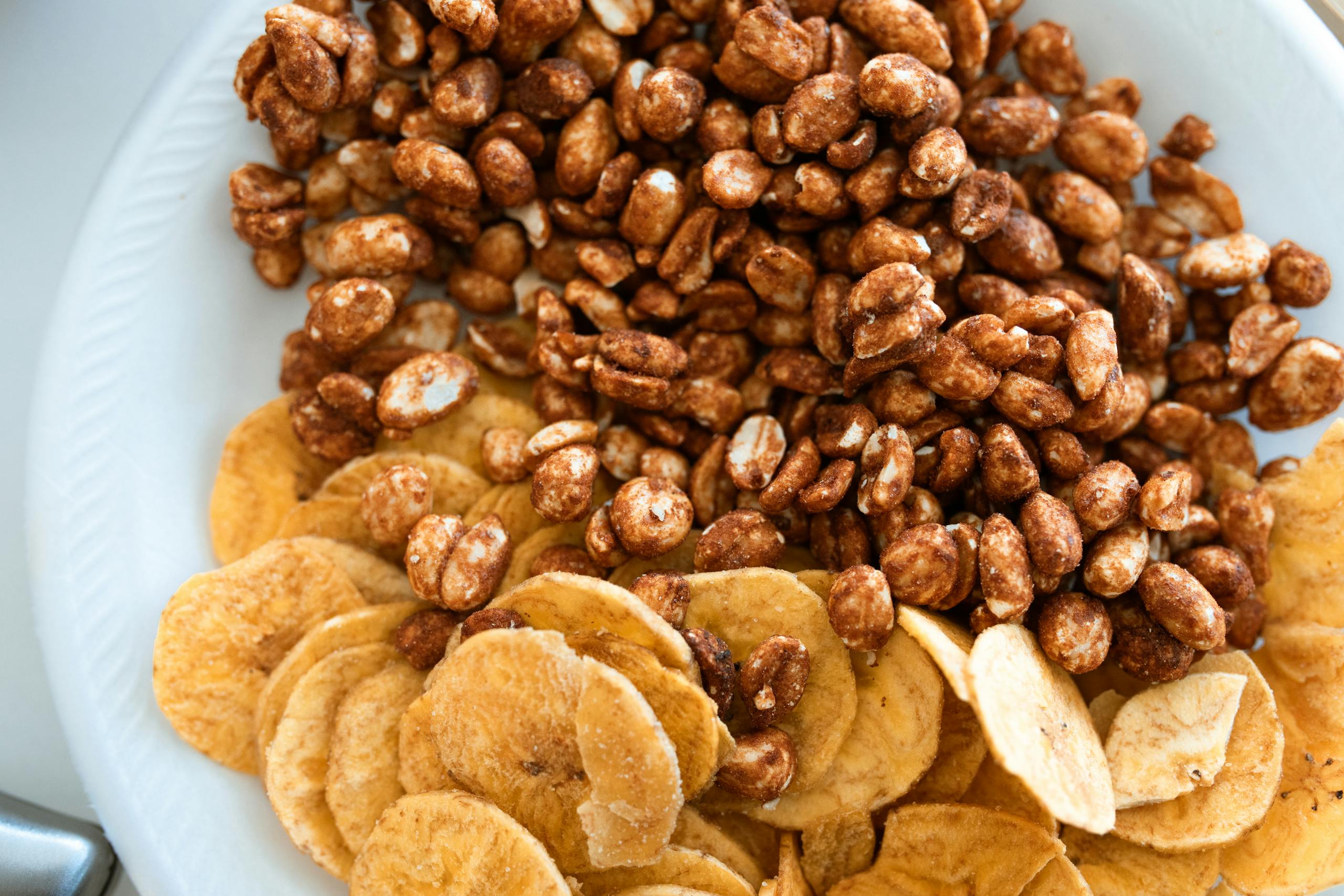
Chips, pretzels, salted nuts, pickles, olives, and brined vegetables contain concentrated sodium. Frequent consumption adds up, making the kidneys filter more fluid and raising blood pressure.
High sodium contributes to water retention, elevated blood pressure, and cumulative renal stress. Choosing low-sodium snacks, rinsing brined foods, and relying on natural flavors from herbs, spices, and citrus help reduce daily sodium without compromising taste.
Dairy Overload in People With Kidney Issues
Cheese, milk, yogurt, cream soups, and ice cream contain protein, phosphorus, and sodium. For those with kidney disease, excess phosphorus builds up in the blood, leading to bone weakness and vascular damage.
Saturated fats in full-fat dairy further challenge cardiovascular health, indirectly affecting renal function. Monitoring portion sizes and choosing lower-phosphorus or plant-based alternatives can preserve kidney function while maintaining nutrient intake.
Alcohol That Dehydrates and Raises Pressure

Alcohol directly and indirectly stresses the kidneys. It disrupts fluid balance, increases blood pressure, and exacerbates liver issues, thereby increasing the kidney’s workload. Heavy or binge drinking raises dehydration risk, reduces filtration efficiency, and accelerates organ strain.
Moderation is key. Limiting intake, spacing drinks with water, and avoiding alcohol as a coping mechanism protect kidney health and overall well-being.
Protecting Your Kidneys Through Smart Food Choices
The safest approach emphasizes eating whole, minimally processed foods, drinking plenty of water, maintaining moderate protein, and monitoring sodium, phosphorus, and potassium intake when kidney function weakens.
Cooking at home, reading labels, and selecting natural ingredients empower long-term renal health. Regular check-ups and lab monitoring provide guidance for individual dietary needs.
Kidneys may operate quietly, but dietary stress accumulates over time. Consuming these eight foods in excess can accelerate kidney damage and reduce function, while mindful intake can help protect kidney health and support a longer, healthier life.
Key Takeaway: Processed meats, fast foods, sugary drinks, frozen dinners, excessive meats, salty snacks, dairy overload, and alcohol rank among the top dietary threats to kidney health. Awareness and smart substitutions give kidneys a fighting chance.
Question to Consider: How could you adjust your weekly food choices to reduce hidden kidney stress without sacrificing flavor or convenience.