The first week of school always exposes the same problem. A lunch that looked reasonable at 7 a.m. comes home untouched at 3 p.m., and the cycle repeats until a parent starts dreading the whole ritual.
Part of that is timing, not taste. Elementary students get roughly 25 minutes for lunch on average, according to figures from the School Nutrition Association. Once travel time and serving lines are subtracted, actual eating time can drop to about 15 minutes, according to NPR reporting on research led by Harvard T.H. Chan School of Public Health nutrition researcher Juliana Cohen. For a picky eater, that compressed window leaves less time to adjust to unfamiliar food.
Picky eating isn’t a phase that responds to lectures or bribery, either. It responds to structure, and a lunchbox can deliver that.
Build the box around one safe food
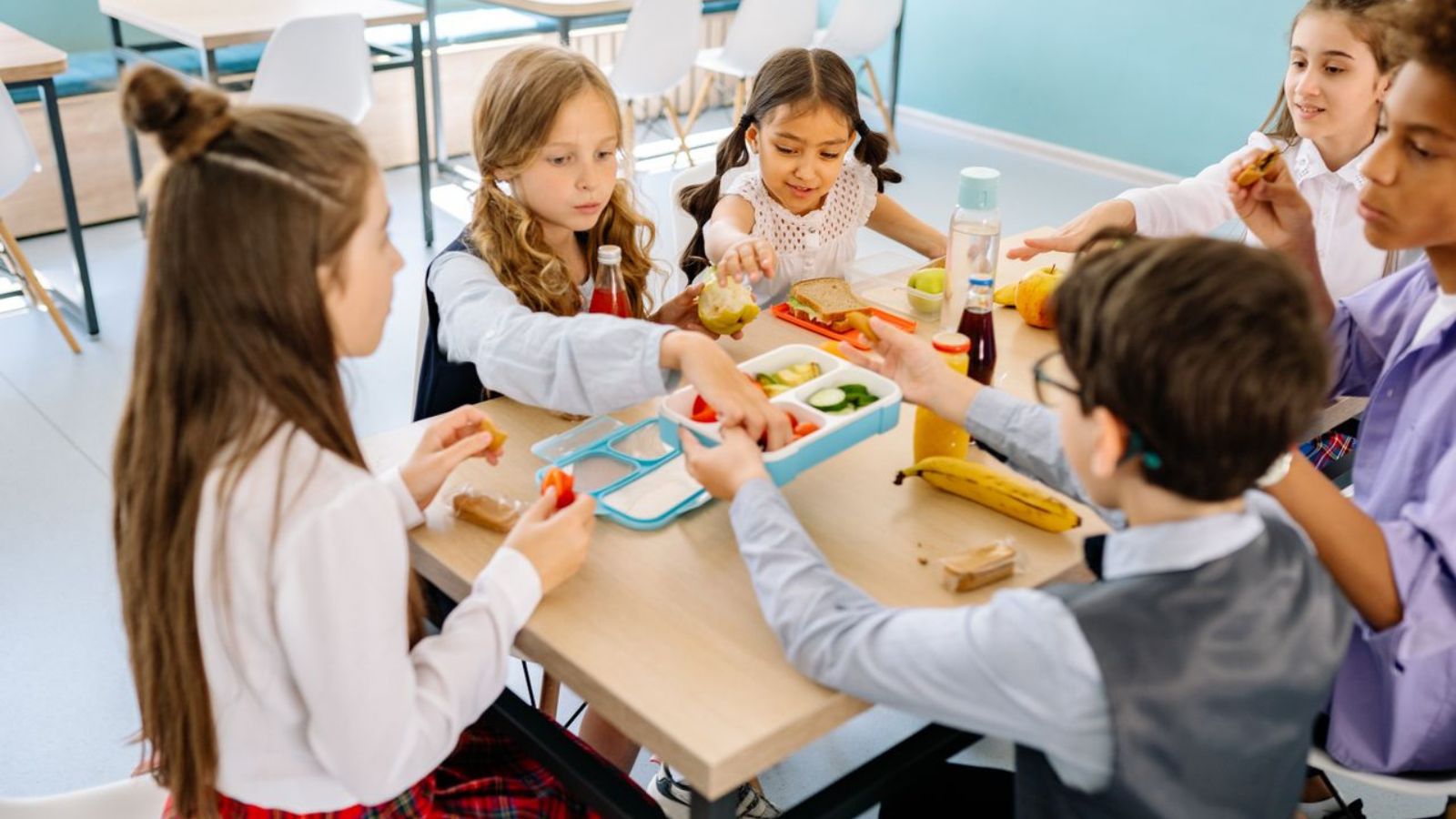
Every picky eater has at least one food they never reject, whether that is plain pasta, a particular brand of crackers, or sliced apples. Anchoring lunch around that item removes the daily gamble and gives a child something to eat, even if everything else stays untouched. The rest of the box becomes low-pressure exploration space instead of a battleground.
Repetition beats variety for building acceptance
Introducing the same new food multiple times across separate weeks tends to work better than rotating through a different unfamiliar item every day. The USDA estimates it can take 8-10 exposures before a young child accepts a new food, and a systematic review published on the National Institutes of Health’s NCBI Bookshelf found that tasting a food once a day for eight to ten or more days measurably increased acceptance in the children studied.
That is a longer runway than most parents expect. A child who sees roasted carrots once a month has little reason to reconsider them, while a child who sees a small portion every week is working through that exposure count far faster.
This runs counter to the instinct many parents have to keep meals exciting through constant variety. Familiarity, not novelty, is usually what lowers resistance in picky eaters.
Keep new foods separate from familiar ones
Mixing an unfamiliar vegetable into a favorite dish often backfires, since a suspicious kid may reject the whole meal rather than pick around one ingredient. Packing new items in their own compartment lets a child ignore them without losing the food they already trust. Over weeks, proximity alone tends to soften resistance more than direct pressure does.
Let portion size do the persuading
A wall of food on a plate reads as pressure, while two bites in a small container read as an invitation. Cutting a new item down to a taste-sized portion lowers the stakes enough that trying it feels optional rather than mandatory. Repetition matters more than quantity at this stage.
Involve the child in the packing
Giving a picky eater even a limited choice, such as picking between two fruits or two sandwich shapes, shifts lunch from something imposed to something chosen. That sense of ownership tends to reduce the pushback that shows up when a parent makes every decision. Grocery trips work the same way when a child gets to select one new item to try that week.
Match the lunch to the actual eating window
Given how compressed real eating time already is, a lunch that takes effort to open, peel, or assemble may simply run out of time before it gets eaten. The Centers for Disease Control and Prevention recommends at least 20 minutes of seated eating time for students. Many schools fall short of that benchmark, according to the NPR reporting on Cohen’s research. Foods that are ready to eat on contact tend to fare better than anything requiring assembly at the table.
Use shape and presentation instead of new ingredients
Cutting a sandwich into strips, using a cookie cutter on cheese, or arranging fruit into a simple pattern changes how familiar food is perceived without changing what is actually in the box. Novelty in presentation often satisfies the same curiosity that would otherwise demand a novel ingredient. This works especially well for younger elementary kids, who respond more to visual cues than older children do.
Bento-style boxes with multiple small compartments have become popular for exactly this reason. They let a parent rotate familiar staples with occasional new items in the same tray, without forcing any single food to dominate the meal.
Avoid framing meals around a clean plate
Pressuring a child to finish everything before leaving the table tends to increase anxiety around food rather than expand what gets eaten. A more workable standard is asking a child to try one bite of something unfamiliar, with no requirement to finish it. That single bite, repeated often enough, does more long-term work than any clean-plate rule.
Keep temperature and texture consistent
Some picky eaters reject food based on temperature or texture shifts rather than flavor, so a cold sandwich that tastes fine warm can still come home untouched. Insulated containers and thermoses help by keeping warm foods warm and cold foods cold through a full school day. Matching texture expectations, such as keeping crackers crisp instead of soggy from nearby fruit, prevents rejection that has nothing to do with the food itself.
Communicate with teachers prior
An untouched lunch does not always mean a child refused to eat. Some kids run out of time, feel rushed by classmates, or get distracted mid-meal, and a teacher on lunch duty is often better positioned to notice which explanation fits. A short conversation with school staff can rule out logistical problems before a parent assumes the food itself was the issue.
Treat the lunchbox as a long game
None of these adjustments produce results overnight, and picky eating rarely resolves through a single strategy. What tends to work is a lunch that lowers pressure, keeps familiar anchors in place, and introduces new foods in small, repeated doses rather than dramatic overhauls. The goal for the first weeks of school is not a perfectly balanced box. It is a box that actually gets opened.