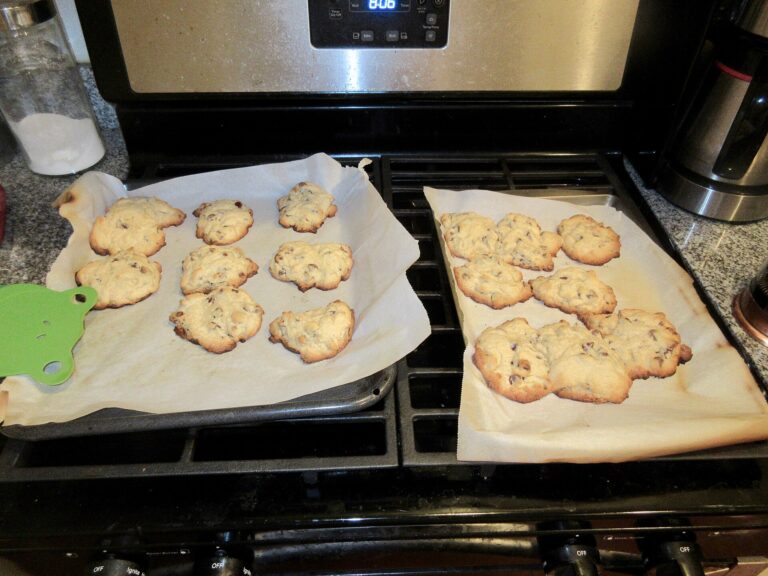
Before the first batch of holiday cookies goes in the oven, the spice drawer deserves a look. According to New Mexico State University Extension, ground spices keep 2 to 3 years and whole spices 3 to 4, but many other baking staples have much shorter windows once they are opened.
NMSU’s food storage guide, revised in April 2025, lists storage times for pantry staples, from baking powder to vanilla to molasses. Here are the baking staples worth checking now, and what the chart says about each one.
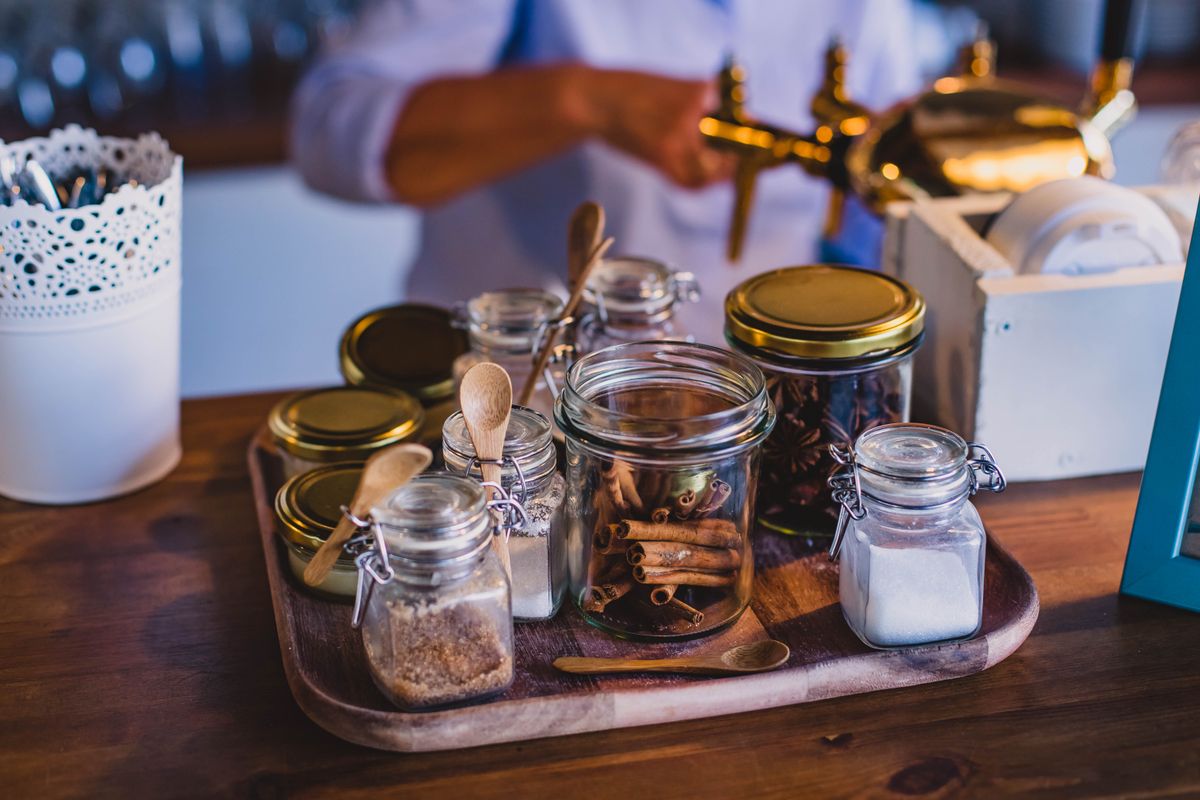
Spices and Dried Herbs: 2 to 3 Years Ground, 3 to 4 Whole
NMSU Extension’s Guide E-118, “Storing Food Safely,” gives whole spices 3 to 4 years in the pantry and ground spices 2 to 3 years. Dried herbs have the shortest window of the group at 1 to 2 years.
The guide says to store spices and herbs in airtight containers in a dry place away from heat and light, and to replace them if the aroma fades. They may also be refrigerated or frozen for longer storage. For holiday bakers, that means a quick sniff test of the cinnamon, nutmeg, ginger and cloves before mixing the gingerbread dough. Jars stored above the stove, where heat builds up, are the first to check. Holiday baking has been a family ritual for generations, ever since toys like the Easy-Bake Oven launched in 1963 put cake mixes in children’s hands, and a quick spice check has long been part of that ritual. A few clever storage hacks can move a spice collection into a cooler drawer or cabinet.
Baking Powder and Baking Soda: 3 to 6 Months Once Opened
The biggest surprise on the chart may be leaveners. NMSU lists baking powder and baking soda at 6 to 18 months unopened, but only 3 to 6 months once opened. The guide says to keep them dry and covered.
Leaveners give cookies and quick breads their lift, so a can opened for last year’s holiday baking is a good candidate for replacement. Writing the date on the lid when a new can is opened makes the next check easy, and it fits the habits of people who write a grocery list before every trip.
Vanilla and Other Extracts: 12 Months Once Opened
Unopened vanilla extract keeps 2 years, according to NMSU, and opened vanilla keeps 12 months. Other extracts, such as almond or peppermint, also get 12 months once opened. The guide’s advice is to keep the bottles tightly closed, since their flavorful oils escape.
Organizing baking supplies ahead of time is part of the season, too, alongside the best practices for seasonal storage that keep holiday gear ready. Peppermint and almond extracts often come out only in December, so they are easy to forget from one season to the next. A bottle opened two winters ago is past the chart’s window.

Sugar, Cornstarch, Chocolate and Molasses
Granulated, brown and confectioners’ sugar each get 18 to 24 months on NMSU’s chart, with airtight containers recommended for best storage. Cornstarch also keeps 18 to 24 months if it is kept tightly covered. Semisweet and unsweetened baking chocolate keep 12 to 24 months, and the guide says to keep chocolate cool. Shortening keeps 12 to 24 months stored away from heat to keep it from going rancid. For items that do better cold, a guide to items to keep in the refrigerator covers the other side of the kitchen.
Molasses is the one with the sharpest drop: 12 to 24 months unopened, but 6 months once opened, and NMSU recommends refrigerating it to extend its life. Honey keeps 2 years covered tightly, and if it crystallizes, the guide says to warm the jar in a pan of hot water or briefly in the microwave on low.
Flour, Cornmeal and Baking Mixes
White flour keeps 6 to 8 months in the pantry and 12 months in the refrigerator, according to NMSU. Whole wheat flour has a shorter pantry life of 3 to 6 months, 6 to 8 months in the refrigerator and 24 months in the freezer, because its natural oils can turn rancid. The guide suggests refrigerating whole wheat flour to slow that down.
Cornmeal for cornbread and holiday dressing keeps 6 to 12 months in the pantry and 12 months in the refrigerator, with the guide noting that refrigeration may prolong its shelf life. Boxed biscuit and muffin mixes get 9 months. Gelatin, used for molded salads and some holiday desserts, keeps 10 to 12 months on the shelf. All of these are best kept tightly closed and away from moisture.
A smell check works here too: flour that smells sour or stale is past its best. For bakers planning a big December, it can make sense to buy flour in amounts that will be used within a few months.
A quick pantry check this weekend can save a trip to the store in the middle of a recipe. Line up the spices, leaveners, extracts and sweeteners, check dates against the chart and make a list of what to replace. For spices, extracts and sugars, the chart’s times are mainly about flavor and aroma, which is why NMSU’s own test for spices is whether the aroma has faded. A jar that barely smells of anything will add little to a batch of gingerbread. Replacing a few key items, like baking powder and a favorite spice, is usually enough to make this year’s cookies taste the way they should.
This article was produced with AI assistance and edited for accuracy against the sources linked above.