You finish your coffee, reach for your card, and suddenly the payment screen wants to know how much you’re tipping. The suggested amounts appear before you’ve even put your wallet away, leaving you to decide whether to add a gratuity for a transaction that took only a few moments.
That awkward checkout experience is becoming a major source of frustration for American consumers. A Popmenu survey released on April 8, 2026, found that 78% of respondents believed tipping practices had become ridiculous, while 74% reported noticing higher minimum tip suggestions on restaurant payment screens.
The findings come from a survey of 1,000 U.S. adults conducted March 15–16, 2026. They capture what respondents say they’re experiencing, rather than independently proving that restaurants nationwide have increased their suggested tips.
Here are eight findings that reveal how Americans are responding to changing tipping expectations.
Most Respondents Think Tipping Has Gone Too Far
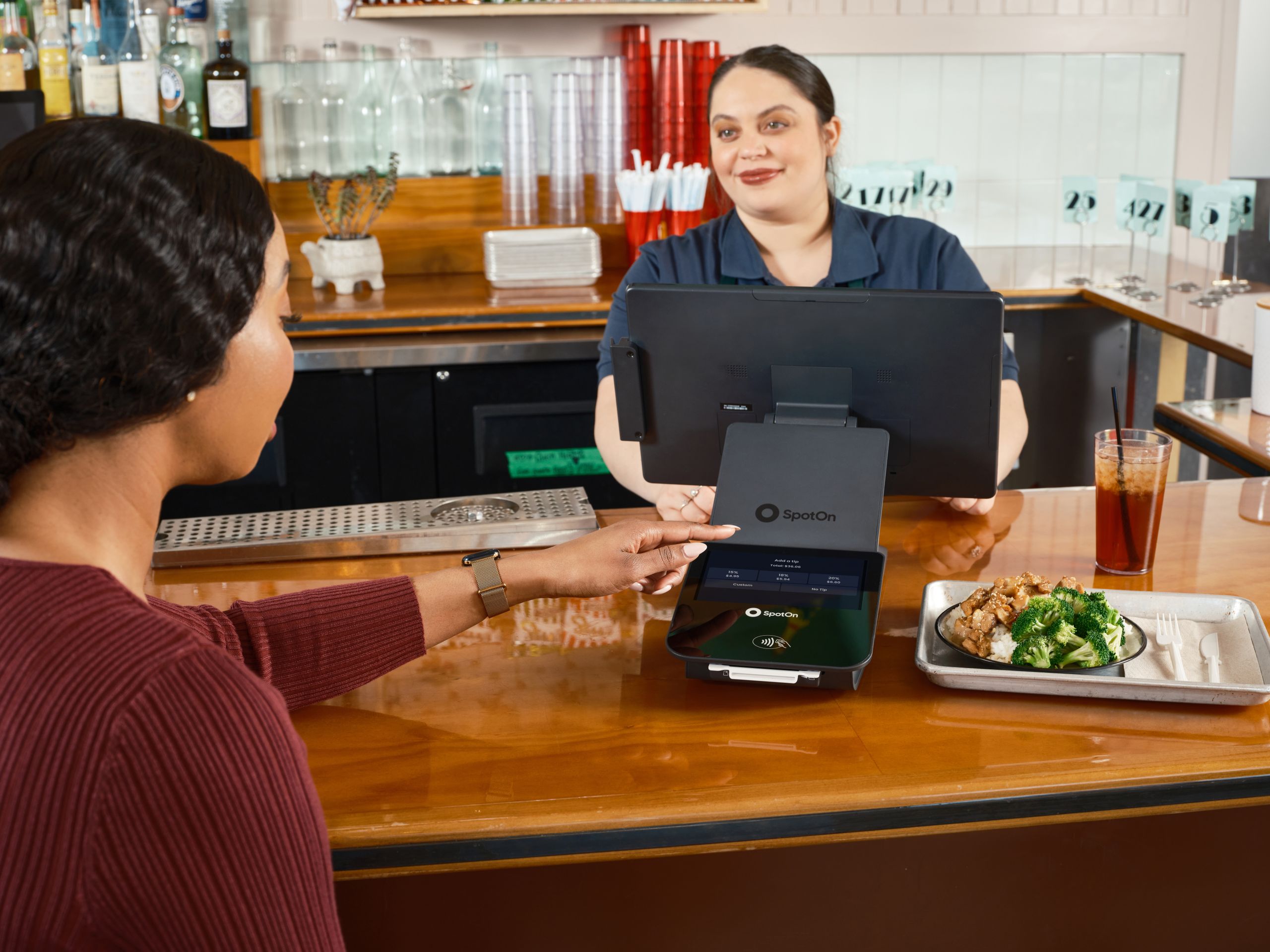
Tipping frustration has become widespread among the people surveyed. 78% believed tipping practices across different businesses had become ridiculous, while 44% said they were tipping less in 2026 than the previous year.
The frustration extends beyond restaurants to services such as grocery delivery, hotels, and transportation. That distinction matters because someone who dislikes being asked to tip at every checkout might still happily reward a restaurant server who provided attentive table service.
The findings suggest many consumers are questioning where gratuities are requested rather than rejecting tipping altogether.
Digital Screens Are Suggesting Higher Minimum Tips
Nearly three-quarters of respondents reported noticing restaurants raise the lowest suggested tip on digital payment screens. 74% observed this change, with one company increasing the minimum from 10% to 15% as an example.
Imagine reaching checkout and seeing that the smallest visible suggestion is higher than you expected. Even when a custom amount is available, the displayed choices can make the transaction feel more demanding.
However, the survey doesn’t establish how many restaurants actually changed their settings or whether customers paid larger tips as a result. It measures what consumers reported seeing, not a nationwide audit of payment terminals.
More Diners Are Resisting the Pressure to Tip
Digital tip prompts still make many customers uncomfortable, but some respondents appear more willing to skip them. In the March 2026 survey, 59% said a digital tip request made them feel compelled to leave something.
That compares with 66% in Popmenu’s September 2025 findings, a seven-percentage-point difference between the two surveys. Meanwhile, 42% said they were becoming more comfortable declining gratuities for certain services.
These results don’t prove that the same individuals changed their behavior. They do suggest that customers may be getting more accustomed to making their own decisions rather than automatically selecting a suggested amount.
Custom Tips Are Becoming a Popular Choice
Entering a custom tip was the most common individual response to restaurant payment-screen suggestions. 36% of respondents typically entered their own amount, while 32% selected the middle suggestion.
Another 17% chose the lowest option, 7% selected the highest, and 9% said they didn’t typically tip. The percentages total slightly more than 100% because of rounding.
Choosing a custom amount doesn’t automatically mean someone is tipping less. Some customers may prefer a specific dollar amount, while others want to calculate a percentage independently.
Related: 7 Things People Are Finally Refusing to Tip For, and Why the Tipping Culture Debate Is Growing
Restaurant Servers and Delivery Drivers Are Seeing Different Tipping Patterns
Full-service restaurant workers and delivery drivers received different reported tipping responses. Popmenu found that 41% of respondents tipped restaurant servers at least 20%, compared with 45% in September 2025.
For restaurant delivery drivers, the share reporting tips of 20% or more dropped from 23% to 15%. Meanwhile, 29% reported tipping servers 15%, while 27% reported that percentage for restaurant delivery drivers.
These figures describe respondents’ reported habits, not average tip percentages or verified payment records. Still, they show that customers distinguish between different kinds of restaurant service when deciding how much to leave.
Coffee Shops and Fast-Food Restaurants Face More Tipping Resistance
Customers appear less willing to tip at businesses where traditional table service isn’t involved. Popmenu found that 39% of respondents said they tipped at coffee shops, compared with 46% in September 2025.
Food trucks saw a decline from 32% to 27%, while fast-food restaurants dropped from 27% to 22%. Each category has a different service model, which may help explain why customers don’t approach every checkout the same way.
Ordering a drink at a counter is different from spending an evening at a restaurant where someone takes your order, brings several courses, and manages your table. The findings suggest many consumers continue to make that distinction.
Customers Estimate Spending Money on Tips They Didn’t Think Were Necessary
Respondents estimated they spent about $130 over the previous year on tips they considered unnecessary. That was lower than the $150 reported when Popmenu asked the question in September 2025.
Additionally, 39% said they tipped at least weekly in situations they believed didn’t normally require gratuities. These amounts are estimates, not verified transaction totals.
The word “unnecessary” is also a personal judgment. One customer may consider tipping for counter service optional, while another may appreciate the work involved and willingly leave something extra.
The larger issue is that unclear expectations can make an ordinary checkout feel uncomfortable for both customers and employees.
More Than Half Would Consider Higher Prices Instead of Tipping
Some respondents would rather see restaurant labor reflected in menu prices than make another decision at checkout. Popmenu found that 56% said they’d be willing to pay more for meals and beverages if it meant higher worker wages and the elimination of tips.
That doesn’t mean everyone supports the same restaurant payment model. The survey didn’t establish how much more consumers would accept or whether their stated preferences would translate into actual purchases.
Still, the result offers an important perspective. Complaints about tipping screens don’t necessarily mean diners object to paying for good service or restaurant workers’ labor. Some simply prefer to know the full cost before ordering.
The Real Debate Is About How Restaurants Ask for Tips
Tipping has long been part of American restaurant culture, and many diners continue to recognize the effort involved in full table service.
The growing frustration seems to center on the increasing number of tipping requests and the pressure customers feel when choosing an amount.
Popmenu’s findings show that consumers are reconsidering their habits, but they don’t prove that digital screens are making everyone tip more.
For restaurants, clearer expectations may help customers feel more comfortable while preserving appreciation for the people providing the service.