Aluminum foil is one of the most useful things to have in a kitchen. It helps cover leftovers, keeps food warm, and makes cooking and baking a little easier. But there is a catch: not every food reacts well to direct contact with aluminum. Certain ingredients, especially acidic or heavily salted ones, can cause the metal to break down and transfer into the food. This can affect both the taste and quality of what you are storing.
You do not have to throw away your aluminum foil or stop using it altogether. You just need to know which foods are better kept in glass containers or other suitable storage materials. Here are six foods you should think twice about wrapping in foil.
Citrus Fruits Such as Lemons and Oranges
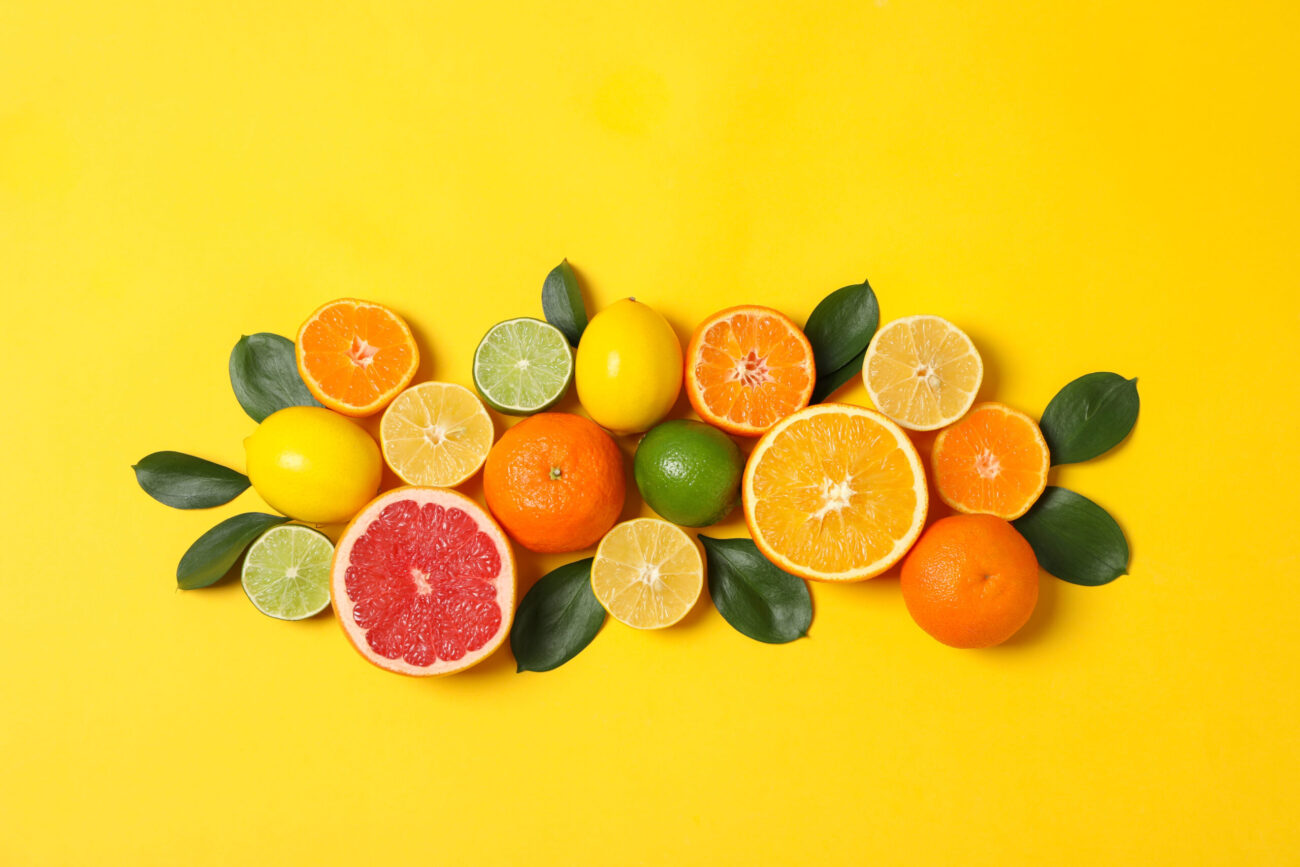
Lemons, oranges, limes, and grapefruits are packed with natural acids that can react with aluminum. Wrapping cut citrus fruits in foil might seem like a convenient way to keep them fresh, but prolonged contact can encourage aluminum to transfer into the fruit. This is particularly relevant when storing freshly squeezed lemon juice or cut fruit with exposed, moist surfaces.
The acidity can also affect the quality of the foil, sometimes leaving it discolored or damaged. If you have half a lemon left after preparing dinner, place it in a small airtight container instead. A reusable glass container works particularly well for citrus juice and cut fruit. You can still enjoy the fresh flavor without having the fruit sit directly against aluminum.
Tomatoes and Tomato-Based Dishes
Tomatoes are naturally acidic, which makes aluminum foil a poor choice for storing them in direct contact with the metal. Whether you are wrapping fresh tomato slices, leftover pasta sauce, or a homemade lasagna, the acidity can react with the aluminum. This may cause small amounts of aluminum to transfer into the food, especially if it stays wrapped for an extended period.
You might also notice changes in flavor, including a slightly metallic taste. The reaction can become more pronounced when the food is warm or stored for a long time. Instead of wrapping tomato-based dishes directly in foil, use a glass container with a tight-fitting lid. Your leftover spaghetti sauce will be just as easy to store without the unwanted metallic flavor.
Pickles and Other Vinegar-Based Foods
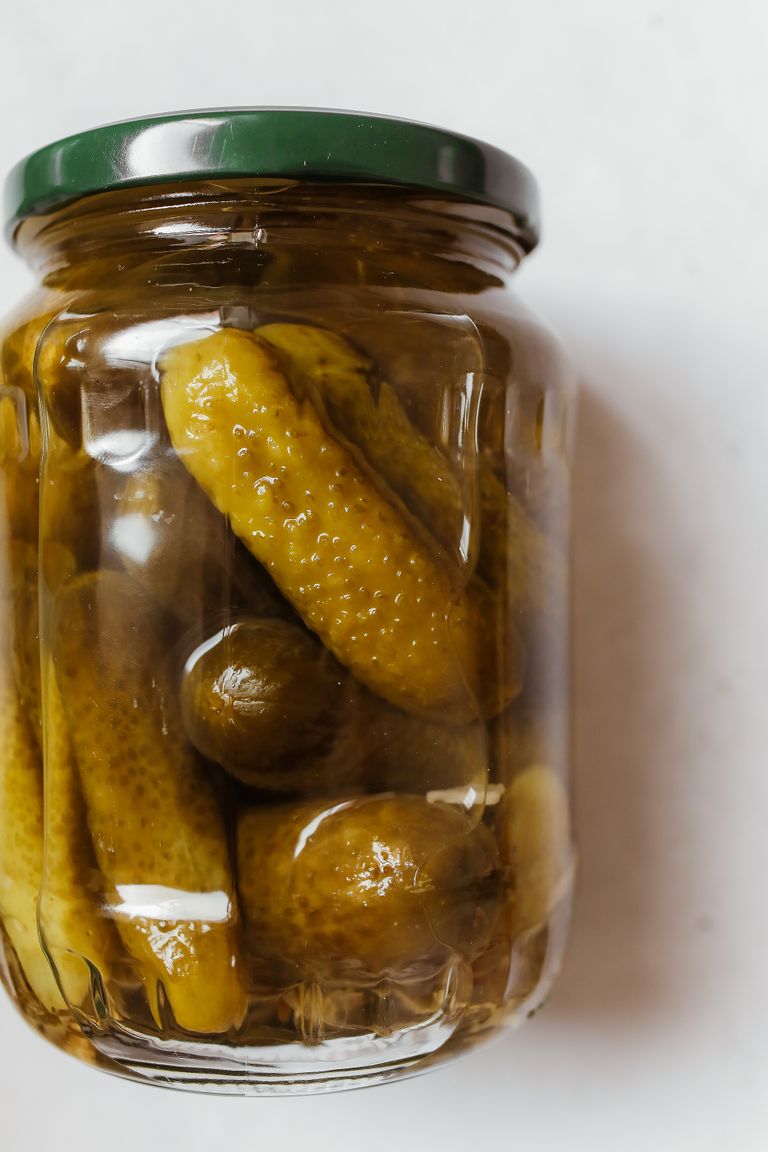
Pickles are already acidic, thanks to the vinegar or fermentation process used to prepare them. Some varieties also contain considerable amounts of salt, creating two conditions that can increase aluminum transfer. Wrapping leftover pickles, olives, or vinegar-based vegetables in foil is therefore not the best storage choice.
The combination of acidity, moisture, and salt can cause the aluminum to react more readily with the food. You may notice tiny holes developing in the foil or an unusual metallic taste. Instead, keep pickles in their original food-safe container or transfer them to a clean glass jar with a lid. This also helps preserve their briny flavor and keeps them from drying out.
Salted and Cured Meats
Bacon, ham, sausages, and other cured meats often contain significant amounts of salt. Although aluminum foil is commonly used to wrap cooked meat, heavily salted varieties are better stored without direct contact with it. Salt can damage the protective layer that naturally forms on aluminum, allowing more of the metal to dissolve into the food.
The concern increases when the meat is moist or stays wrapped for several hours or days. This does not mean you need to throw away your favorite breakfast sausages or stop using foil altogether. Simply transfer leftover cured meats into airtight food storage containers or use suitable food-grade wrapping. They will remain easier to store without unnecessary contact with aluminum.
Rhubarb and Other Highly Acidic Fruits
Rhubarb might look like an ordinary vegetable, but it is notably acidic and is often used in pies, jams, and desserts. That acidity makes it another food that should not be stored in direct contact with aluminum foil. The same precaution applies to other acidic fruits, including raspberries and some berry varieties.
When acidic fruit stays against aluminum for extended periods, the metal can gradually dissolve into the food. This may affect its taste and increase the amount of aluminum present. If you have leftover rhubarb filling or freshly prepared berry sauce, a glass or food-grade plastic container is a better choice. This simple change helps preserve the natural flavor of your fruit.
Cheese and Heavily Salted Dairy Products
Cheese is another food to keep away from direct contact with aluminum foil, especially varieties with high salt content. Feta, for example, is often stored in salty brine, while some aged cheeses contain considerable amounts of salt. When salt and moisture come into contact with aluminum, they can encourage the metal to break down and transfer into the food.
This reaction may affect the cheese’s flavor and cause visible damage to the foil. Rather than wrapping these cheeses directly in aluminum, use their original packaging or a suitable food storage container. You can also use cheese paper designed for storing cheese. Keeping it properly covered helps maintain its texture and prevents it from absorbing odors from other foods in the refrigerator.
What Should You Use Instead of Aluminum Foil?
You do not have to abandon aluminum foil altogether. It remains useful for covering baking dishes, wrapping sandwiches, and freezing certain foods when used as directed. The important thing is knowing which foods are likely to react with it.
For acidic or heavily salted foods, glass containers with tight-fitting lids are a particularly good alternative. Food-grade plastic containers and suitable reusable food wraps can also work well, depending on the food and storage conditions.
One more thing: never put aluminum foil in the microwave. It can cause electrical sparks and potentially damage the appliance or create a fire hazard. Used correctly, foil is a handy kitchen tool, but choosing the right storage material for different foods can make a difference in preserving their taste and quality.