Some things are so deeply connected to being a woman that admitting you don’t enjoy them can feel almost rebellious. From wearing makeup and attending baby showers to keeping a perfectly organized home, society has a long list of expectations about what women are supposedly meant to love.
But here’s something rarely discussed openly: many women go along with these expectations without genuinely enjoying them. Sometimes it’s easier to smile, participate, and avoid explaining yourself than to challenge what everyone assumes is normal.
Of course, women aren’t all alike. What one woman genuinely enjoys may be another woman’s least favorite activity. Still, these eight experiences show how social pressure, tradition, and the desire to fit in can shape everyday choices.
Wearing Makeup Every Single Day
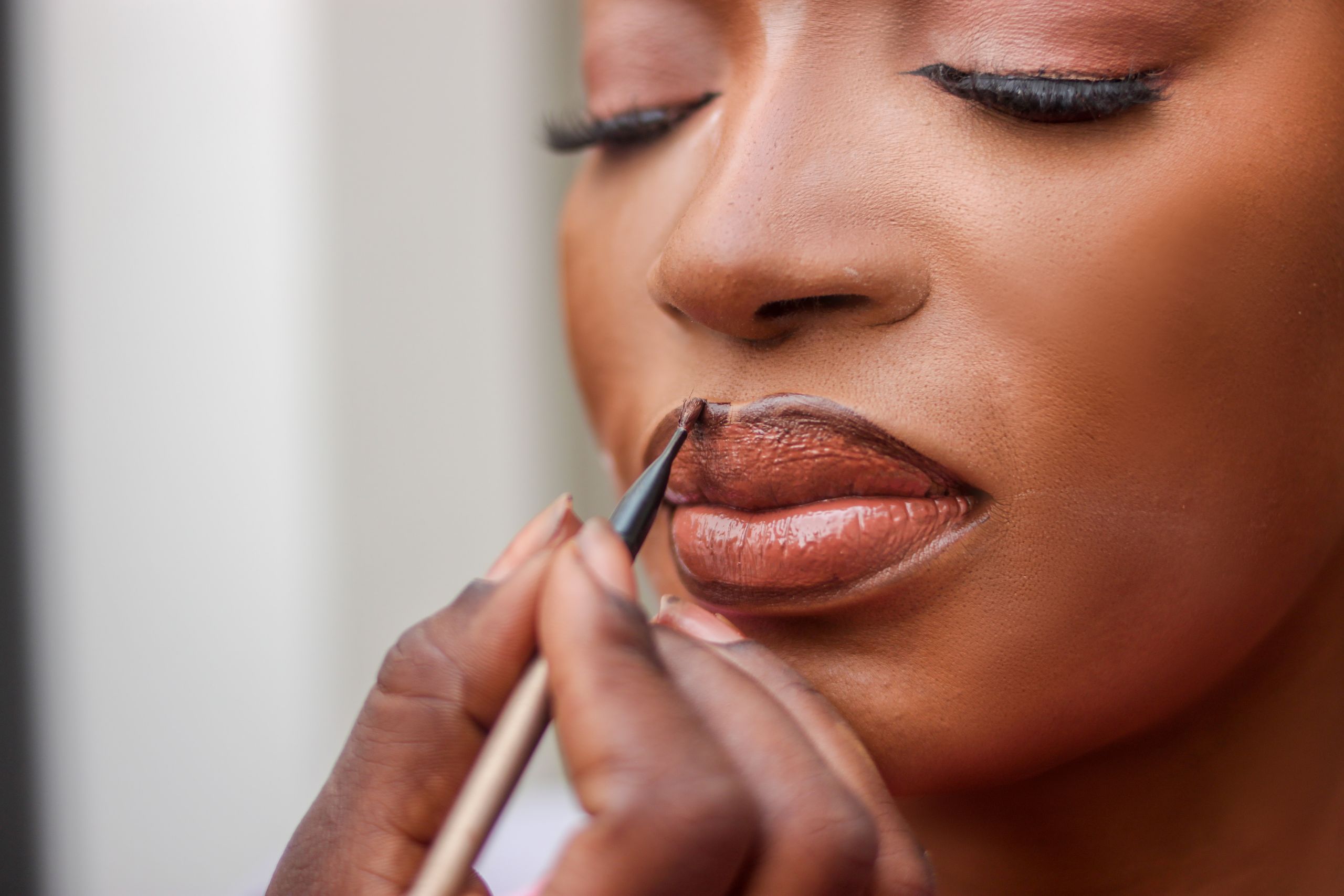
For some women, makeup is an enjoyable form of creativity and self-expression. For others, it’s simply another task squeezed into an already busy morning.
The foundation, mascara, concealer, and lipstick can take time to apply, especially when someone feels expected to look polished before leaving the house.
And then there’s the expense.
Building a makeup collection can become costly, particularly when products need frequent replacement.
The expectation can also feel unfair. A man might arrive at work with a freshly washed face and receive no attention, while a woman who skips makeup may hear questions about whether she’s tired or feeling unwell.
Some women genuinely love their beauty routines. Others would happily skip the whole process if they didn’t feel judged for doing so.
The important distinction is between wearing makeup because it brings enjoyment and wearing it because going without feels socially unacceptable.
Wearing High Heels for Special Occasions
High heels have long been associated with elegance, sophistication, and dressing up.
They can complete an outfit beautifully, but that doesn’t mean everyone enjoys wearing them.
Anyone who has spent hours standing at a wedding reception or walking across a parking lot in uncomfortable heels understands the struggle.
The pressure to wear them is especially noticeable at formal events, where flat shoes are sometimes seen as too casual.
Research has also raised concerns about prolonged high-heel use.
A 2016 systematic review published in BMJ Open found associations between high-heel wear and several musculoskeletal problems, although the strength and quality of the evidence varied.
For women who prefer sneakers, loafers, or comfortable flats, choosing practical footwear isn’t necessarily a lack of style.
Sometimes it simply means wanting to enjoy an event without worrying about aching feet.
And increasingly, women are questioning why looking dressed up should come at the cost of physical discomfort.
Related:7 Things Women Wear That Men Secretly Hate
Being Expected to Love Every Baby Shower
Baby showers are supposed to be happy celebrations filled with gifts, decorations, games, and excitement about a new arrival.
And many women genuinely enjoy them.
But others find the experience awkward, repetitive, or emotionally complicated.
Some dislike the traditional games, while others find themselves sitting through hours of conversations centered almost entirely on pregnancy and parenting.
For those dealing with infertility or pregnancy loss, attending a baby shower may bring difficult emotions rather than simple happiness.
People also expect you to contribute money, buy presents, and participate enthusiastically.
Someone can care deeply about a friend or relative without enjoying every celebration associated with motherhood.
Recognizing that difference lets women support loved ones without pretending every event is their favorite way to spend an afternoon.
Related:17 Things Women Obsess About That Don’t Matter To Men
Being the Person Who Always Remembers Everything
Birthdays, anniversaries, doctor’s appointments, holiday plans, school activities, and family gatherings often require someone to keep track of countless details.
In many households, women disproportionately carry that responsibility.
The work can be invisible because remembering something doesn’t always look like performing a physical chore.
Yet coordinating schedules, anticipating needs, and ensuring nothing gets forgotten requires constant attention.
A 2019 study in American Sociological Review examined how households distribute cognitive labor, including planning, anticipating needs, making decisions, and monitoring outcomes.
The researchers found that mothers carried much of the anticipating and monitoring work.
Some women enjoy organizing family life, but others feel exhausted by the assumption that they should automatically manage everyone’s schedules and responsibilities.
Being dependable can be rewarding. Being treated as the household’s permanent reminder system is something entirely different.
Many women would appreciate hearing someone else say, “Don’t worry, I’ve already taken care of it.”
Attending Every Social Gathering Out of Obligation
Birthday dinners, bridal showers, family reunions, office celebrations, and neighborhood gatherings can quickly fill a calendar.
For some women, these occasions are genuinely exciting. For others, they become exhausting obligations.
The challenge isn’t necessarily disliking people. It’s feeling that declining an invitation requires a convincing explanation.
A woman who prefers a quiet Saturday evening might worry about appearing unfriendly, selfish, or antisocial.
So she attends the gathering, makes conversation, smiles for photographs, and counts the minutes until she can go home.
This can be especially draining for people who need time alone to recharge.
Enjoying solitude doesn’t mean someone doesn’t value relationships. It simply means social interaction isn’t always their preferred way to relax.
Sometimes the most enjoyable weekend plan is having nothing planned at all.
Shopping for Clothes for Hours
Shopping is frequently portrayed as a favorite pastime for women.
Movies and television shows have reinforced the familiar image of girlfriends spending entire afternoons browsing clothing racks, trying on outfits, and carrying shopping bags.
But not everyone enjoys the experience.
Crowded stores, inconsistent clothing sizes, harsh fitting-room lighting, and long checkout lines can make shopping more frustrating than relaxing.
For some women, finding clothes that fit comfortably is particularly challenging.
Others dislike spending money unnecessarily or prefer to spend their free time doing something else.
The expectation that women naturally love shopping overlooks how different people’s interests can be.
Some enjoy hunting for bargains and experimenting with fashion. Others would rather buy what they need and leave.
Neither preference makes someone more or less feminine.
And for women who dislike shopping, online ordering and convenient return policies can be welcome alternatives to spending an entire afternoon at the mall.
Keeping the House Perfectly Clean for Visitors
A particular kind of panic can set in when someone announces they’re stopping by unexpectedly.
Suddenly, the dishes need washing, the bathroom needs cleaning, and the living room must look as though nobody actually lives there.
For many women, the pressure to maintain a spotless home goes beyond personal preference.
They may worry that visitors will judge their housekeeping abilities or assume a messy room reflects poorly on them.
The expectation can become especially tiring when women already balance careers, caregiving, and other responsibilities.
A clean, comfortable home has clear benefits, but perfection is another matter.
Some women genuinely enjoy cleaning and organizing. Others find the constant expectation exhausting.
There’s also a difference between maintaining a healthy living environment and feeling obligated to make a house look like a furniture showroom.
Guests usually visit to spend time with people, not to conduct a housekeeping inspection.
Remembering that distinction can make entertaining considerably less stressful.
Always Being Pleasant, Agreeable, and Available
Perhaps one of the most exhausting expectations is the belief that women should always be nice.
That can mean smiling through uncomfortable conversations, agreeing to unwanted favors, or avoiding disagreements to keep everyone happy.
Many women grow up hearing reminders to be polite, considerate, and accommodating.
Those qualities can be valuable, but problems arise when politeness becomes an expectation to ignore personal boundaries.
A woman might accept an extra responsibility at work because she doesn’t want to disappoint anyone.
She might agree to host a gathering even though she already feels overwhelmed.
Or she might laugh at a joke she finds offensive to avoid creating tension.
The difficulty isn’t kindness itself. It’s feeling that being kind requires constantly putting other people’s comfort ahead of one’s own needs.
Learning to say no can feel uncomfortable at first, particularly for someone accustomed to making everyone else happy.
But boundaries don’t automatically make someone rude, difficult, or selfish.
Sometimes saying, “I’m not available,” is a perfectly reasonable answer.
Why More Women Are Questioning These Expectations
The experiences on this list share one thing: the difference between personal choice and social expectation.
There’s nothing wrong with enjoying makeup, dressing up, organizing family events, or keeping an immaculate home.
Likewise, there’s nothing wrong with finding those same activities tedious, uncomfortable, or uninteresting.
The problem begins when women feel they must pretend to enjoy something simply because society associates it with femininity.
Preferences also change with age, experience, and personal circumstances. Something that felt important at 25 might become completely irrelevant at 55.
Ultimately, a fulfilling life isn’t built around enjoying everything other people expect. It’s built on understanding what genuinely matters to you and making choices accordingly.
Other Posts You Might Like:
10 Seemingly Nice Things Men Do That Women Actually Hate
10 Things You Shouldn’t Have to Do to Prove Your Love to a Man