Olive Garden has been a favorite destination for American families for decades, thanks to its endless breadsticks, comforting pasta dishes, and familiar Italian-American atmosphere. But behind the creamy Alfredo sauce and generous portions, several reasons might make some diners reconsider their next visit.
The chain is certainly popular. According to parent company Darden Restaurants, Olive Garden generated about $5.59 billion in sales in fiscal 2026, with same-restaurant sales up 4%.
Still, popularity doesn’t automatically mean a restaurant delivers the best food, value, or dining experience for everyone. From surprisingly expensive meals to nutritional concerns, here are eight reasons Olive Garden might not deserve a regular spot in your dining rotation.
The Prices Can Make a Simple Pasta Dinner Feel Expensive
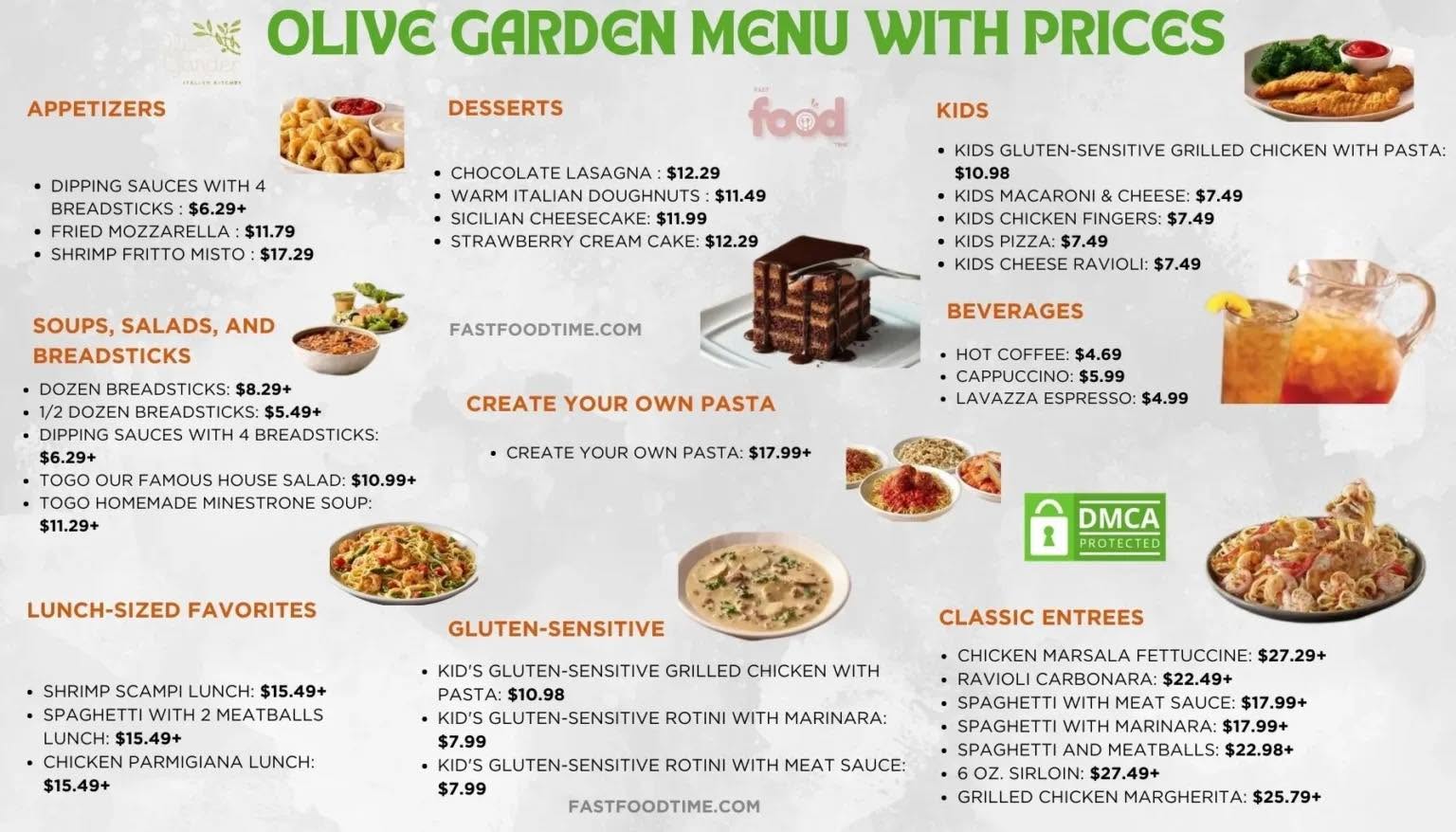
Pasta is one of those meals that should be reasonably affordable. After all, a box of spaghetti and a jar of sauce can feed an entire family without stretching the grocery budget.
At Olive Garden, however, ordering pasta with chicken, shrimp, or a specialty sauce can turn an ordinary dinner into a noticeably bigger expense.
And once you add drinks, appetizers, dessert, taxes, and a tip, the final bill may be considerably higher than expected.
Darden’s fiscal 2026 annual report revealed that Olive Garden’s average customer check rose 2.9%, though that figure also included catering sales.
That doesn’t necessarily make Olive Garden overpriced compared with every other casual dining restaurant. However, customers looking for inexpensive Italian comfort food may find better value through lunch specials, local restaurants, or home cooking.
The real question is whether the convenience and atmosphere justify paying restaurant prices for dishes that are relatively straightforward to prepare.
Related:20 Unforgivable Blunders When Dining Out: Don’t Be Caught Making These
Some Popular Pasta Dishes Pack an Extraordinary Number of Calories
Olive Garden’s rich, creamy pasta dishes might be satisfying, but their nutritional information deserves a closer look.
According to the company’s published nutrition guide, Chicken Alfredo with grilled chicken contains approximately 1,480 calories, while Chicken Tortelloni Alfredo contains around 1,980 calories.
Those figures apply to the entrées themselves, before diners consider additional breadsticks, appetizers, or desserts.
For perspective, 2,000 calories per day is a general reference used on U.S. nutrition labels, although individual needs vary.
There’s nothing inherently wrong with enjoying a rich restaurant dinner occasionally. The concern is that some meals contain considerably more calories than diners might expect from a single entrée.
Olive Garden provides nutritional information and smaller-portion options so that you can order more selectively. Nevertheless, anyone who prefers lighter meals may find the menu less appealing than its comforting descriptions suggest.
Related:15 Eating Habits That Are Destroying Your Body Without You Knowing
The Sodium Levels Can Be Surprisingly High
Calories aren’t the only numbers worth examining before ordering a big plate of pasta.
Some Olive Garden dishes contain substantial amounts of sodium, even without extra breadsticks or soup.
The restaurant’s nutrition guide lists Chicken Parmigiana at approximately 3,300 milligrams of sodium. Chicken Tortelloni Alfredo contains around 3,720 milligrams.
Both exceed the 2,300-milligram daily sodium limit recommended for adults in federal dietary guidance.
These figures don’t mean every Olive Garden dish has the same nutritional profile. However, they show how quickly sodium can add up in restaurant meals with seasoned meats, cheese, and prepared sauces.
For customers who actively monitor sodium intake, choosing dishes without checking the nutrition information could lead to an unpleasant surprise.
Comparing available options before ordering is a practical way to enjoy restaurant food while making more informed decisions.
Endless Breadsticks Aren’t Necessarily the Bargain They Seem
Few things are more closely associated with Olive Garden than its famous breadsticks.
They’re warm, buttery-tasting, generously seasoned, and frequently replenished during dine-in meals. For many customers, they’re practically the highlight of the visit.
But unlimited food isn’t automatically good value.
Olive Garden’s nutrition information lists one garlic-topped breadstick at about 140 calories. Three breadsticks would therefore add 420 calories before accounting for the main course.
The bigger issue is how easily the endless-refill experience can influence what customers order and eat.
Someone who fills up on breadsticks and salad might struggle to finish an expensive entrée, leaving them wondering whether the meal was worth its price.
Of course, leftovers can become tomorrow’s lunch, and some diners genuinely appreciate the generous servings.
Still, customers who prefer smaller, less expensive meals might be better served by a restaurant where they pay primarily for what they intend to eat.
It Might Not Satisfy Your Craving for Traditional Italian Cooking
Olive Garden serves Italian-American comfort food, which isn’t necessarily the same experience as dining at a restaurant specializing in traditional regional Italian cuisine.
The distinction matters when you decide what kind of meal you want.
Italian cooking includes many regional traditions, from seafood-centered coastal dishes to handmade pasta and simple preparations that highlight a handful of ingredients.
Olive Garden, meanwhile, emphasizes recognizable American favorites such as Chicken Alfredo, Chicken Parmigiana, and Five Cheese Ziti al Forno.
These dishes appeal to people who enjoy substantial portions and familiar flavors.
However, customers seeking regional Italian specialties, seasonal menus, or a more intimate restaurant experience may prefer an independently owned Italian establishment.
That isn’t a criticism of Italian-American cooking. It’s simply about matching expectations to what a restaurant actually offers.
Food Allergies Can Make Ordering More Complicated
Dining out becomes considerably more challenging when someone needs to avoid specific ingredients.
Olive Garden publishes allergen information and provides procedures intended to reduce cross-contact, but the restaurant acknowledges important limitations.
Its official allergen guide explains that shared preparation spaces and reliance on supplier information mean it cannot guarantee that every dish is completely free from allergens.
This is not a problem unique to Olive Garden. Many restaurants face similar challenges when preparing different foods in shared kitchens.
However, the chain’s extensive use of pasta, cheese, sauces, and other common ingredients can complicate menu selection for customers with certain dietary restrictions.
Olive Garden recommends informing staff about allergies so appropriate precautions can be taken.
For diners requiring strict allergen avoidance, the inability to guarantee an allergen-free meal may be enough reason to choose another restaurant.
The Menu Can Feel Repetitive for Frequent Visitors
Sometimes, a familiar restaurant’s biggest weakness is how predictable the experience becomes.
Olive Garden has built much of its identity around pasta, creamy sauces, breadsticks, soup, and salad.
That’s excellent when you’re craving exactly those foods.
But if you visit regularly, the selection might start to feel repetitive, especially if you order from the same handful of favorites.
The chain has introduced menu innovations and smaller portions to provide additional choices. Darden specifically highlighted its systemwide Lighter Portions rollout in its fiscal 2026 shareholder report.
Nevertheless, a restaurant built around recognizable favorites cannot always deliver the excitement of discovering an unfamiliar dish.
Independent restaurants may offer rotating specials, regional specialties, and preparations that reflect an individual chef’s style.
For adventurous diners, exploring those alternatives can make a night out feel more memorable than returning to another familiar plate of Alfredo.
You Might Find Better Value at a Local Italian Restaurant
The strongest reason to reconsider Olive Garden is that eating there means passing up other options.
A locally owned Italian restaurant might offer handmade pasta, family recipes, seasonal ingredients, or specialties that aren’t commonly found on national chain menus.
Some establishments may provide comparable prices, while others could be more expensive. Independently owned restaurants aren’t guaranteed to be cheaper or better.
But comparing the options in your neighborhood can reveal places that better suit your tastes and budget.
Local restaurants may also offer a more personal dining experience, particularly when owners and staff develop relationships with returning customers.
Before heading straight to Olive Garden, read recent reviews, compare menus, and see whether another nearby restaurant offers something different.
You might discover a new favorite without spending any more than you normally would.
Is Olive Garden Really Worth Avoiding?
Despite these drawbacks, Olive Garden still attracts plenty of customers for understandable reasons. Its generous portions, familiar menu, casual atmosphere, and complimentary breadsticks make it a convenient choice for families and groups.
The company’s sales growth also suggests many diners still appreciate what it offers.
Ultimately, these eight reasons don’t prove Olive Garden is a bad restaurant. They’re reminders that a familiar name doesn’t always guarantee the best dining experience for your particular needs.
If you love the breadsticks and Alfredo, there’s no reason to abandon your favorite order simply because someone else prefers a different restaurant.
But if you’re watching your spending, looking for lighter dishes, navigating food allergies, or craving something more distinctive, exploring alternatives could be worthwhile.
Sometimes, the best way to enjoy Italian food is to venture beyond the restaurant you’ve visited a hundred times.
Other Posts You Might Like:
10 Reasons Some Americans Secretly Hate McDonald’s
7 Places Women Refuse To Go For a First Date In 2026