A familiar Walt Disney World strategy has become harder to use as the resort limits who may board buses and boats traveling from Disney Springs to its hotels.
For years, Disney World visitors could turn a trip to Disney Springs into an unofficial resort tour. They could park for free, board complimentary transportation and spend several hours exploring elaborate hotel lobbies, restaurants and seasonal displays.
That tradition has not disappeared completely, but access now comes with clearer conditions. Disney has restricted transportation from Disney Springs to its resort hotels to registered hotel guests and visitors with qualifying dining or experience reservations.
The change may look like a transportation adjustment, but its impact reaches much further. It reshapes how off-site guests, Central Florida residents and annual passholders plan resort-hopping outings without staying overnight.
What Disney World’s new rule actually says
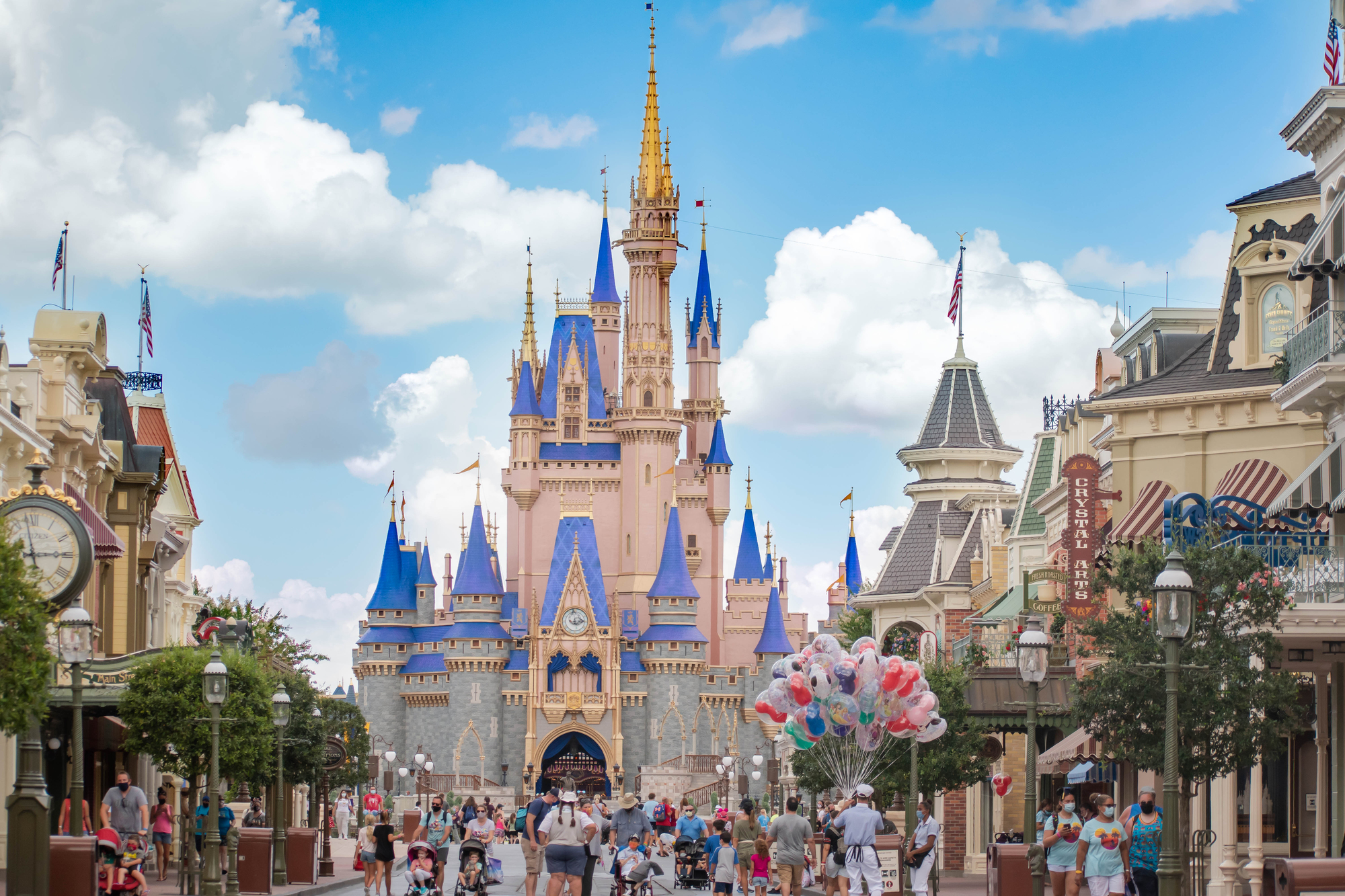
Under Disney’s updated policy, guests boarding a resort-bound bus at Disney Springs may need to show proof that they are staying at a Disney Resort hotel. Those who are not registered hotel guests must have a valid dining or experience reservation at the resort they intend to visit.
Acceptable proof may include a Disney Resort room key, a reservation displayed through the My Disney Experience app, or information connected to a MagicBand or Disney MagicMobile pass. Disney’s official bus information states that visitors with dining or experience reservations may board the appropriate resort bus up to two hours before their reservation time.
The restriction applies specifically to transportation traveling from Disney Springs to Disney Resort hotels. It also affects resort-bound water transportation operating from the shopping and entertainment district.
Disney’s official language does not declare a total ban on resort hopping. Instead, it limits one of the easiest ways off-site visitors previously reached Disney hotels without driving or paying for a room.
Resort hopping is not the same as park hopping.
The term “resort hopping” can create confusion because it sounds similar to Disney’s Park Hopper ticket option. These are two different activities.
Park hopping involves entering more than one theme park on the same day with an eligible ticket. Resort hopping means visiting Disney hotels to explore their architecture, restaurants, shops, lounges and seasonal attractions.
Disney’s change does not remove Park Hopper privileges from eligible ticket holders. It concerns access to buses and boats traveling from Disney Springs to Disney’s hotels.
Guests staying at a Disney Resort hotel can still use the transportation network to visit other on-site properties. For example, someone registered at Disney’s Pop Century Resort may still travel from Disney Springs to Disney’s Grand Floridian Resort, provided the guest can show proof of an active Disney hotel stay.
The free Disney Springs route has lost its biggest advantage.
Disney Springs offers free self-parking, which made it an attractive starting point for people planning a low-cost day around Disney property. A visitor could park there, take a bus or boat to a resort and tour several hotels without purchasing a theme park ticket.
That strategy became particularly popular during the holiday season. Visitors traveled to the Grand Floridian to see its towering Christmas tree and gingerbread display, stopped at Wilderness Lodge for its rustic decorations or explored the Polynesian Village Resort before watching evening entertainment.
The route also gave locals and off-site travelers access to dining, shopping and sightseeing without moving their vehicles between hotels. However, the buses were not designed as unrestricted sightseeing shuttles, and growing demand could take space away from registered guests trying to return to their rooms.
The new rule establishes a simple boundary. Hotel transportation from Disney Springs now primarily serves people paying to stay at a Disney resort or those spending money on a confirmed resort activity.
Dining reservations have become more valuable.
A resort dining reservation now does more than secure a table. For off-site visitors, it can also establish a valid reason to board transportation from Disney Springs.
That means reservations at restaurants such as California Grill, ‘Ohana, Sanaa or Story Book Dining at Artist Point can serve as entry points for a broader resort visit. Guests should still travel to the hotel listed on the reservation rather than treating the booking as unrestricted access to every bus route.
Disney allows eligible dining and experience guests to board up to two hours before their scheduled reservation. That window gives visitors time to reach the resort, account for delays, and explore the property before eating.
Visitors should avoid making reservations they do not intend to use. Disney may require a credit card guarantee, and late cancellations or no-shows can trigger fees under the restaurant’s stated policy.
Driving to a resort may not solve the problem.
Travelers might assume they can bypass the transportation restriction by driving directly to a Disney hotel. That approach is not always reliable.
Disney Resort security may ask arriving drivers for a hotel, dining, or experience reservation before admitting them to the parking area. Enforcement can vary by property, traffic levels, season, and available parking.
Hotels near Magic Kingdom and EPCOT often draw heavy visitor demand because of their restaurants, transportation connections, and nighttime entertainment views. During crowded periods, Disney may protect limited parking for overnight guests and confirmed customers.
A mobile food order may not guarantee parking access. Visitors planning to drive should have a confirmed reservation and allow enough time for security checks.
Theme parks may offer another route, but there are limits.
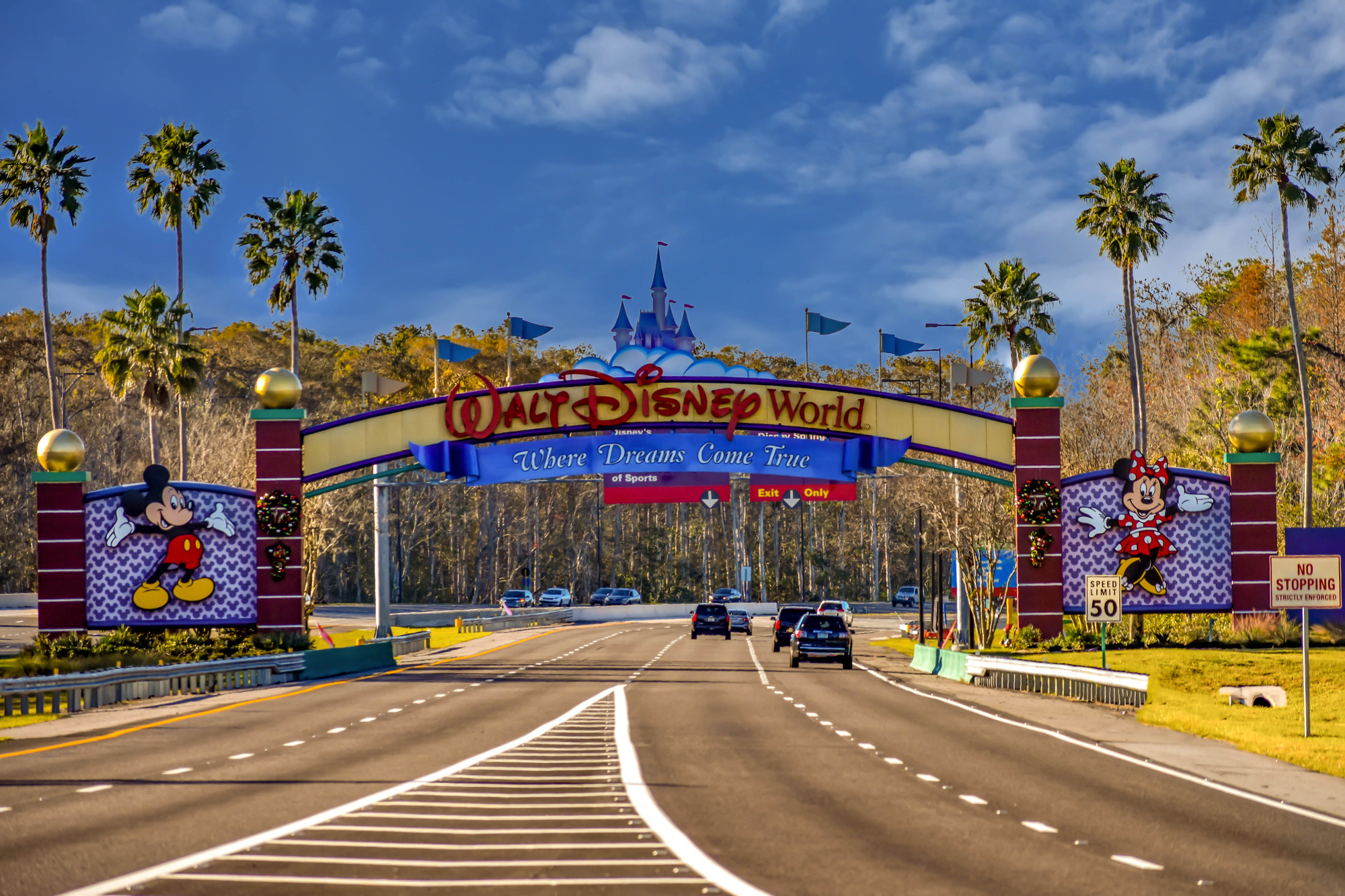
Disney’s broader transportation guidance says all guests can use its complimentary network of buses, boats, monorails and the Disney Skyliner. This means a person already visiting a theme park may still be able to travel from that park to a resort.
However, the strategy requires legitimate access to the starting location. Theme park parking requires payment for many visitors, while entering the park itself requires valid admission and any applicable reservation.
Travelers must also watch operating hours. Disney says resort transportation connected to theme parks generally starts about 45 minutes before opening and continues until approximately one hour after closing.
Using a theme park as a transfer point may therefore be possible, but it is less convenient than the old Disney Springs approach. Guests should check the My Disney Experience app or speak with a Cast Member because the most direct route may involve a bus, boat, monorail, Skyliner cabin, or walking path.
The policy could improve the experience for hotel guests.
Disney has not framed the change as an end to resort exploration. The more likely goal is to prioritize transportation capacity for registered hotel guests and visitors with confirmed business at the resorts.
That distinction matters after a long theme park day. A family paying to stay on Disney property may have little patience for an overcrowded bus filled with sightseeing visitors while trying to return to its hotel.
Boats present an even greater capacity challenge because they carry fewer passengers than many buses. Restricting access at Disney Springs may reduce lines and create more predictable service on routes serving Port Orleans, Old Key West and Saratoga Springs.
The change also brings transportation rules closer to Disney’s existing approach to hotel parking. In both cases, visitors may need to demonstrate a clear reason for traveling to a particular resort.
What should visitors do before leaving home?
Off-site guests should build resort visits around a confirmed dining or experience reservation. They should save the reservation in the My Disney Experience app and make sure every member of the travel party appears correctly where required.
Registered Disney hotel guests should keep their room information accessible. A MagicBand may simplify verification, but carrying a digital or physical backup can help if a device fails or an account does not load.
Travelers should also leave extra time between stops. Disney World covers roughly 25,000 acres, and trips that look short on a map can require transfers and lengthy waits.
Most importantly, visitors should check Disney’s official transportation pages shortly before traveling. Operational policies, routes and enforcement procedures can change based on demand.
A smaller change with a much bigger message
Disney World has not eliminated resort hopping. Guests can still dine at hotel restaurants, admire themed lobbies and experience parts of the property without entering a theme park.
What Disney has removed is the assumption that anyone can use Disney Springs as an unrestricted gateway to every resort hotel. The new approach places overnight guests and confirmed customers first.
For travelers, the lesson is clear: spontaneous resort exploration now requires more preparation. A hotel stay, restaurant booking, or eligible experience can preserve much of the old freedom, but arriving without a plan may result in a denied ride and an unexpected change of itinerary.
The magic is still accessible. Disney wants visitors to show where they are going and why before climbing aboard.