A family recipe may fit on an index card. Making it can require a whole drawer. There is the rolling pin for the pie crust, the spoon that measures cinnamon, and the pan someone reaches for without considering another. The tools are not the recipe, but they help turn its instructions into something people can share.
“Classic” does not have to mean antique. A recently purchased mixing bowl can perform the same task as an inherited one, and an electric appliance can earn its place beside hand tools.
These nine examples connect familiar kitchen work with recipes that invite repetition. Their value lies less in being the oldest version than in knowing what each one does.
The Rolling Pin
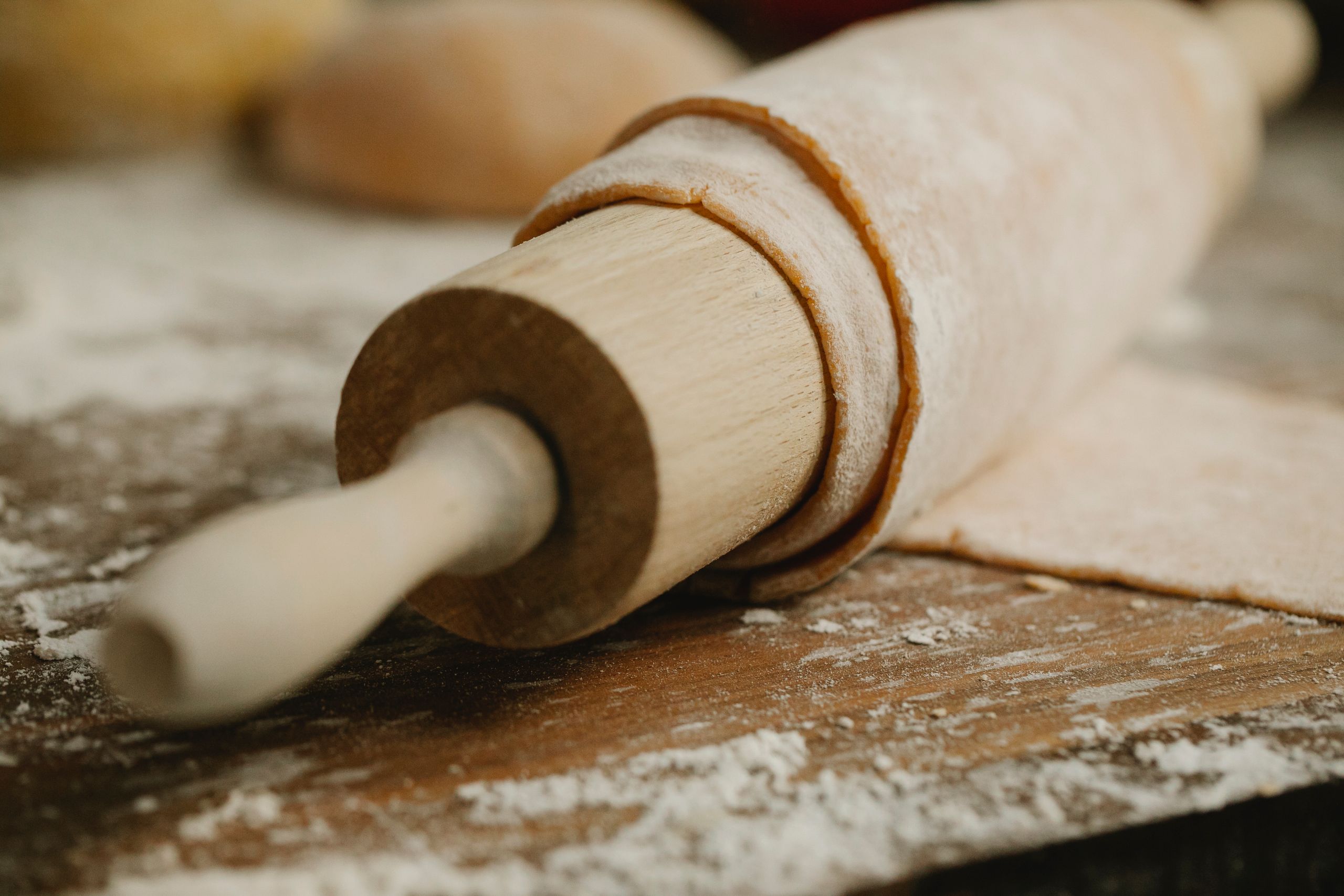
A rolling pin connects a written pastry recipe with the work of shaping dough.
Handled, straight, and tapered versions offer different forms, but the task remains recognizable: turning dough into a sheet for a pie or another bake. Julia Child kept several types, including long, heavy pins and French-style versions.
The tools documented from her kitchen show how much attention she gave even this straightforward implement.
For a family pie recipe, the useful question is not whether the pin looks traditional. It is whether it lets you work comfortably and control the pastry.
Measuring Cups
Measuring cups provide a shared reference when a recipe moves between cooks.
A direction such as “two cups of flour” transfers better than “enough flour,” even though the measuring technique still matters. Cups remain part of many American recipe formats alongside weights.
Keep the recipe’s chosen system consistent. If weights are supplied and you prefer a scale, use them rather than inventing conversions.
The cup’s contribution is modest but important: it gives the next person a starting point. They can learn the recipe before deciding what, if anything, to change.
Measuring Spoons
Small measurements deserve their own tools.
Salt, spices, and flavorings often enter a recipe in teaspoons or tablespoons. Measuring spoons make those instructions practical without letting an ordinary eating spoon stand in for them.
They also help distinguish the original recipe from a deliberate adjustment. If you decide to add more cinnamon, recording the amount makes that preference repeatable.
Related: 16 Kitchen Organization Ideas to Help You Declutter Your Space
A family recipe does not need to remain frozen in time. Clear measurements allow its variations to be passed along with the same care as the original.
The Mixing Bowl
A mixing bowl is where separately arrived ingredients meet.
It holds flour before pastry takes shape, apples before they enter a crust, and seasonings before they coat the filling. Its role changes as the recipe progresses, without requiring a complicated mechanism.
Choose a bowl with enough room for the task. Tossing sliced fruit and combining a small quantity of spices are different jobs.
This apple-pie method shows the value of dividing work by using separate bowls for the fruit and dry filling ingredients. The familiar bowl earns its place through versatility.
The Whisk
A whisk helps distribute ingredients before the larger mixture comes together.
In pastry preparation, it can combine flour and salt. For a fruit filling, it can blend sugar, thickener, and spices before they reach the apples.
Those early steps are easy to overlook because they happen before anything resembles dessert. Yet they belong to the recipe just as much as rolling the crust.
The whisk represents a useful kind of kitchen simplicity: a hand tool assigned a clear job. It does not need to replace every mixer to remain worth keeping.
The Pie Pan
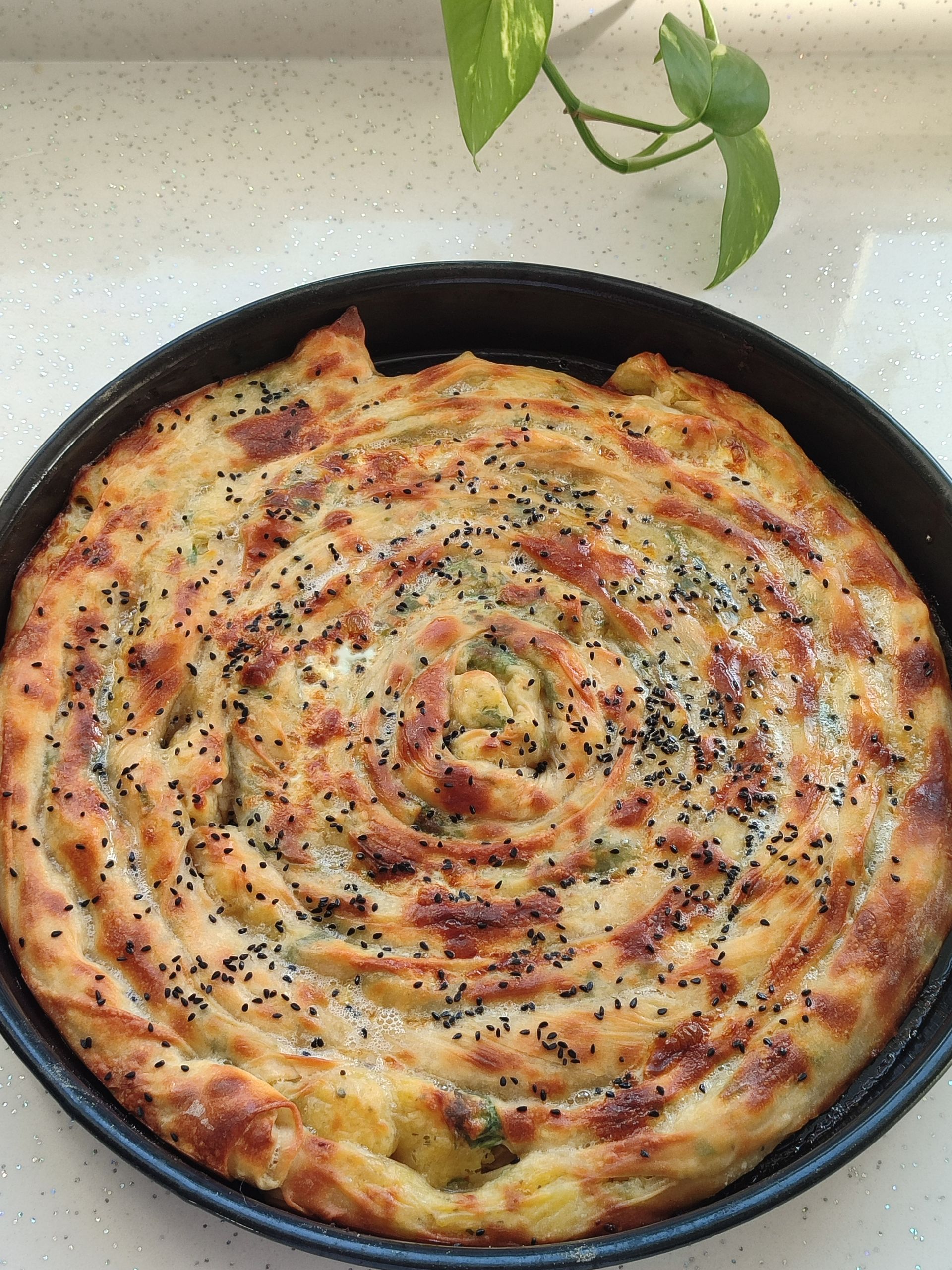
The pie pan gives the pastry somewhere to become a finished dish.
Its size and depth matter. A recipe written for one pan may not fit another comfortably, especially with a generous filling.
Check those dimensions before rolling the dough. The pan should be part of the plan, not whatever happens to be available once the apples are prepared.
An inherited dish can be meaningful, but its usefulness still depends on matching it to the recipe. A familiar object works best when its practical requirements are understood.
The Baking Sheet
A baking sheet can support another pan or hold food directly.
Placed beneath a fruit pie, a rimmed sheet catches filling that escapes during baking. That makes it part of the setup, even when it isn’t the vessel shaping the dessert.
It is a good example of an unglamorous tool doing necessary work. The sheet may never reach the dinner table, but it helps the process run as intended.
Prepare it before lifting the assembled pie from the counter. Check the supporting equipment before you open the oven door.
The Cast-Iron Skillet
The cast-iron skillet brings a longer manufacturing history into the picture.
One American maker traces its cookware production to the Blacklock Foundry, established in South Pittsburg, Tennessee. The company’s historical timeline documents that development without establishing the age of any particular household pan.
That distinction matters when discussing heirlooms. A skillet does not need a verified century of service to belong in a family kitchen.
Its connection can be more immediate: someone selects the pan for a recipe, uses it again, and teaches the next cook how to use it.
The Food Processor
Not every classic tool is operated entirely by hand.
Julia Child’s attention was drawn to food processors in the 1970s. She explored models and described their usefulness for tasks including chopping vegetables, grating cheese, and preparing pastry dough.
Their place in this list challenges the idea that family cooking must reject convenience. A machine can become part of a household’s established method just as readily as a rolling pin.
Follow the recipe and the appliance’s instructions. The point is to make the work manageable, not to insist that every generation perform it identically.
What Makes a Tool Worth Keeping?
These tools contribute in different ways: measuring, combining, shaping, supporting, or reducing preparation work.
None guarantees a memorable meal. That still requires a recipe, attention, and someone willing to make it. But familiar equipment can make the next attempt feel more approachable. Which tool would you pass along with a family recipe, and what would you want the next cook to know about using it?