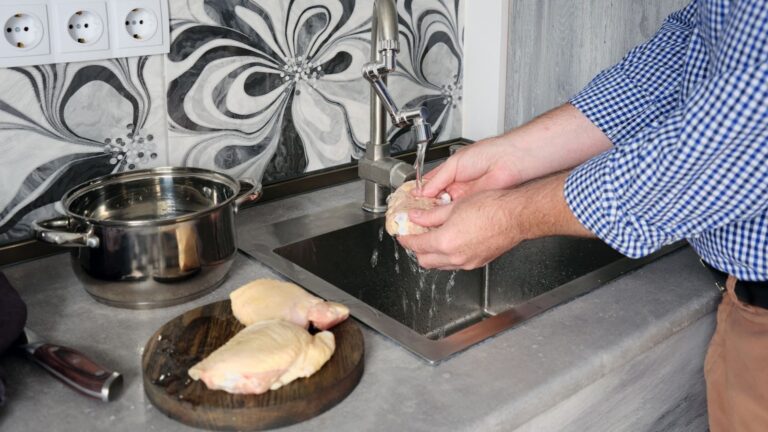
That package of chicken buried at the back of your freezer might be older than you think. Maybe you bought it months ago, forgot about it, and only found it recently while searching for something to cook. Now comes the big question: Is it still safe to eat?
The answer might surprise you. According to the U.S. Department of Agriculture (USDA), properly handled food kept continuously frozen at 0°F (-18°C) can remain safe indefinitely. However, that doesn’t mean it will taste good forever. Over time, frozen food can lose its flavor, texture, and overall quality.
Knowing how long different foods stay at their best can help you avoid disappointing meals, reduce unnecessary waste, and use your freezer better.
Raw Chicken and Turkey: Up to 12 Months
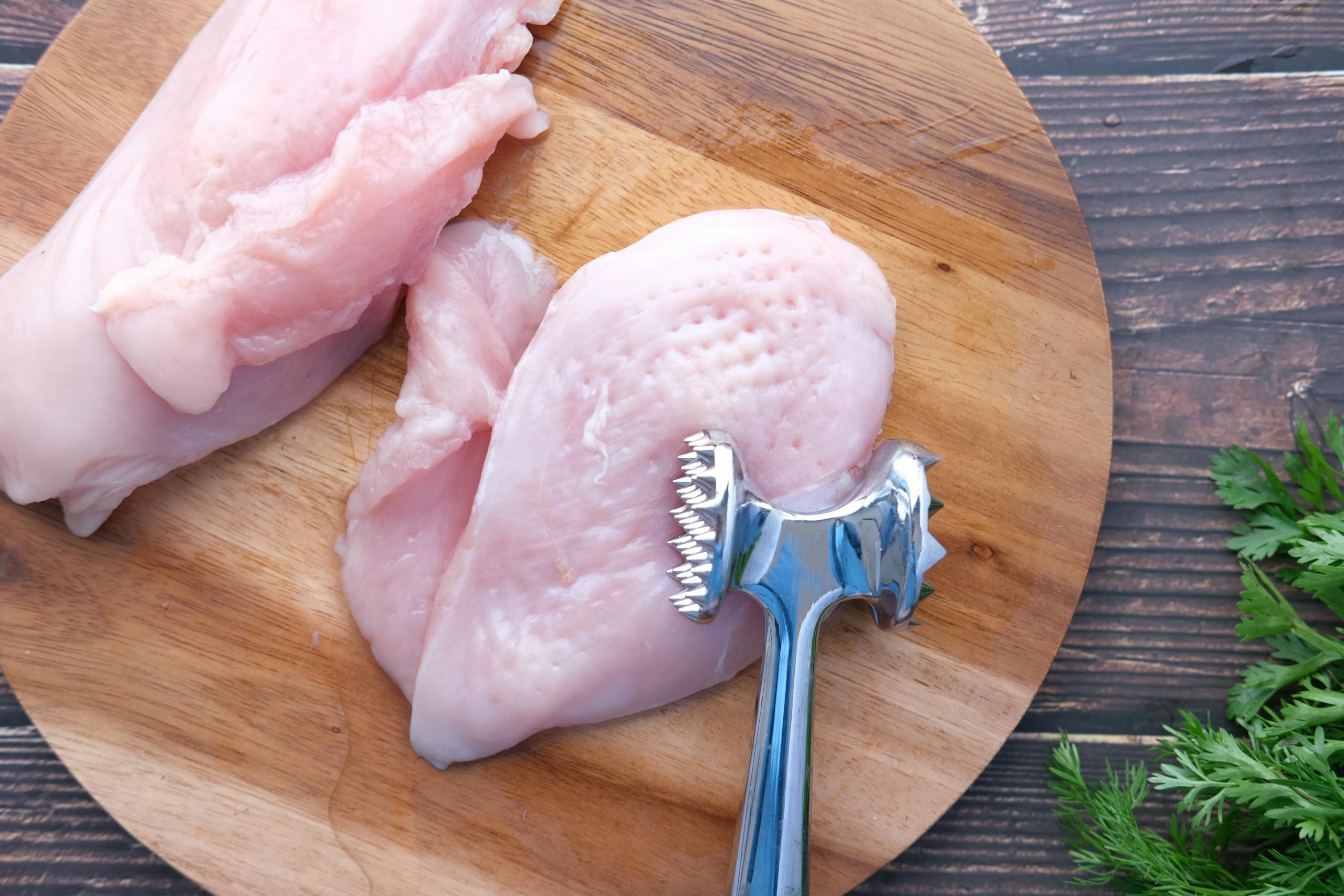
Chicken is a grocery staple that often ends up in the freezer, especially when it’s on sale.
According to FoodSafety.gov, a whole raw chicken or turkey can stay at its best for about 12 months when frozen properly. Individual pieces, including breasts, thighs, and wings, are best used within nine months.
These timelines reflect quality, not an automatic expiration date.
For better results, divide poultry into meal-sized portions before freezing. This makes it easier to thaw only what you need instead of dealing with an entire package.
Ground Beef: 3 to 4 Months
Ground beef is convenient for spaghetti sauce, burgers, and tacos. However, it has a shorter recommended freezer storage period than many larger cuts of meat.
FoodSafety.gov recommends using frozen ground beef within 3 to 4 months for best quality. The same guideline applies to ground turkey, chicken, pork, and lamb.
A practical trick is to flatten ground meat in a freezer-safe bag before freezing. Flat packages stack neatly, save space, and can thaw more evenly in the refrigerator.
Label each package with the freezing date so you don’t have to guess how long it has been sitting there.
Steaks, Pork Chops, and Roasts: 4 to 12 Months
If you stocked up on steaks or pork chops during a supermarket sale, you have a relatively generous window to use them.
According to the federal cold storage chart, uncooked beef, pork, lamb, and veal steaks, chops, and roasts generally maintain their best quality for four to twelve months.
The wide range reflects differences among cuts and storage conditions.
Packaging matters, too. The USDA explains that standard store wrapping lets air pass through, which can reduce quality during extended freezing.
For longer storage, consider adding freezer wrap or another protective layer around the original package.
Fish: It Depends on the Type
Not all fish have the same recommended freezer storage time.
Fatty fish, including salmon, tuna, and mackerel, generally stay at their best for about two to three months. Certain lean fish, such as cod, flounder, and haddock, can last approximately six to eight months.
These recommendations come from FoodSafety.gov and assume the fish remains properly frozen.
If you purchase several portions of fish at once, package them separately and use the oldest first.
A simple date label can help prevent expensive seafood from being forgotten until its quality has deteriorated.
Ice Cream: Watch the Texture
Ice cream may seem designed to stay frozen, but it can still lose quality.
Temperature fluctuations can cause ice crystals to grow, leaving ice cream grainy instead of smooth and creamy.
Repeatedly letting ice cream soften and then refreeze can make the problem worse.
For better results, return ice cream to the freezer promptly after serving, seal the container tightly, and avoid leaving it on the kitchen counter.
Remember, ice cream that melted during a power outage needs special attention. Federal food-safety guidance recommends discarding thawed ice cream rather than refreezing it to restore its original quality.
Related: The 5 Best Ice Cream Flavors You Must Try
Frozen Fruits and Vegetables: 8 to 12 Months
Frozen fruits and vegetables are useful for quick dinners, smoothies, soups, and side dishes.
The University of Georgia’s National Center for Home Food Preservation recommends about eight to twelve months of freezer storage for properly prepared fruits and vegetables to maintain the best quality.
However, preparation makes a difference.
Many vegetables benefit from blanching, a brief treatment in boiling water or steam before freezing. This helps slow the enzyme activity responsible for unwanted changes in flavor, color, and texture.
For everyday convenience, store vegetables in portions that match the amounts you typically cook.
Cooked Leftovers: Usually 2 to 6 Months
Freezing extra food can save you from cooking a whole new meal on a busy weeknight.
But not all cooked dishes have the same recommended storage time.
According to FoodSafety.gov, cooked meat and poultry leftovers generally stay at their best for two to six months. Soups and stews are best within two to three months, while leftover pizza is recommended within one to two months.
The key is to freeze leftovers promptly.
Perishable cooked food should not sit at room temperature for more than two hours, or one hour when the temperature is above 90°F.
When storing leftovers, use shallow containers to cool faster, and label each with the preparation date.
Bacon, Sausages, and Hot Dogs: About 1 to 2 Months
Processed meats tend to have shorter recommended freezer storage periods.
FoodSafety.gov recommends about one month for bacon and one to two months for many raw or fully cooked sausages.
Hot dogs and luncheon meats generally have a recommended freezer quality period of one to two months.
These products may remain safe longer if continuously frozen at the proper temperature, but their taste and texture can deteriorate.
If you frequently buy bacon or sausages in bulk, freezing smaller portions can make breakfast preparation more convenient.
Bread, Cakes, and Baked Goods: Quality Varies
Freezing can be an easy way to avoid wasting an extra loaf of bread or homemade baked goods.
However, different baked products freeze differently.
Plain bread often freezes better than delicate desserts with custard or creamy fillings.
For instance, FoodSafety.gov advises that baked pumpkin and pecan pies maintain their best quality for approximately one to two months. Custard and chiffon pies are not recommended for freezing.
If you’re freezing bread, wrap it tightly to reduce air exposure. Separating slices before freezing also makes it easier to take out only what you need.
For commercially packaged baked goods, check the manufacturer’s specific freezing recommendations.
Frozen Meals and Casseroles: 2 to 4 Months
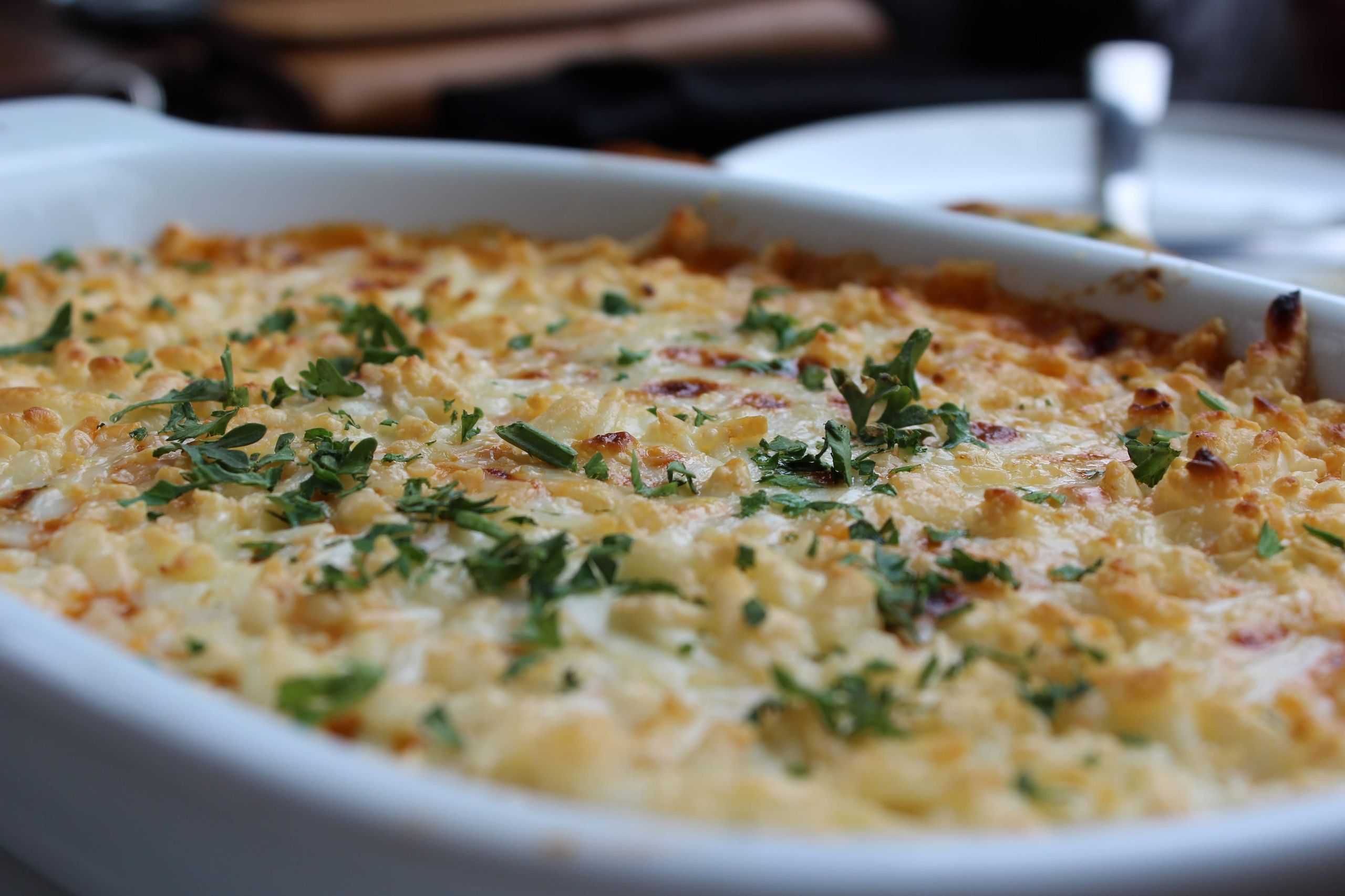
Homemade casseroles and frozen dinners can be lifesavers when you don’t feel like cooking.
The USDA lists a recommended quality period of two to three months for casseroles and three to four months for frozen dinners and entrées.
Some ingredients, especially creamy sauces, may separate or change texture when frozen and thawed.
For homemade meals, use airtight, freezer-safe containers and avoid leaving excess air inside.
Store and prepare commercial frozen meals according to the package instructions.
Does Freezer Burn Mean You Have to Throw Food Away?
A common freezer mistake is assuming freezer burn automatically makes food unsafe.
It doesn’t.
According to the FDA, freezer burn is primarily a quality issue. It happens when moisture leaves exposed food, leaving dry, discolored areas.
You might notice grayish-brown patches on meat or dry, icy areas on other frozen foods.
The USDA says freezer-burned sections can be removed before or after cooking. If the damage is extensive, you may decide the food is no longer worth keeping because of its poor quality.
However, freezer burn itself doesn’t mean the food is unsafe.
What Happens When Your Freezer Loses Power?
A power outage changes the rules because food may no longer remain continuously frozen.
FoodSafety.gov explains that a full freezer can generally stay safe for about 48 hours if the door stays closed. A half-full freezer usually keeps food safe for about 24 hours.
Food that still contains ice crystals or measures 40°F or below can generally be refrozen, although its quality may suffer.
Perishable foods such as meat, poultry, seafood, and cooked leftovers should be discarded if they have been above 40°F for more than two hours.
Most importantly, never taste questionable food to determine whether it is safe. Harmful bacteria may be present even when food looks and smells normal.
Simple Ways to Make Frozen Food Last Longer
You don’t need a complicated system to keep your freezer organized.
A few practical habits can make a noticeable difference:
- Keep the freezer at 0°F (-18°C) or below, and use an appliance thermometer to confirm the temperature.
- Label packages with the food name and freezing date.
- Use airtight, freezer-safe packaging to reduce moisture loss.
- Put older items toward the front so they’re used first.
- Freeze foods in manageable portions.
- Thaw perishable foods in the refrigerator, cold water, or the microwave, not on the countertop.
These steps can help preserve quality while making everyday meal planning much easier.
The Bottom Line
The next time you discover a forgotten package of meat or a container of leftovers in your freezer, don’t assume it’s unsafe simply because several months have passed.
The USDA’s guidance is clear: Properly handled food kept continuously frozen at 0°F can remain safe indefinitely, although its quality gradually declines.
The recommended storage periods are best viewed as guidelines for enjoying food at its best, not strict safety deadlines.
Of course, that protection depends on proper handling before freezing and uninterrupted frozen storage. Freezing cannot reverse spoilage or make previously mishandled food safe.
A little organization, careful packaging, and attention to temperature can help you get more value from what you buy and make those forgotten freezer discoveries much less mysterious.