Your refrigerator might be missing a few foods that deserve a spot inside. And no, we’re not talking about milk, eggs, or that half-eaten takeout container you keep promising to finish.
Some everyday ingredients seem perfectly happy sitting in a kitchen cabinet. After all, that’s where you found them at the grocery store, so why would they suddenly need refrigeration once you get home?
Well, here’s the catch. Opening a package can change how an ingredient should be stored, and some foods lose their freshness faster than you might expect. Others have more serious storage concerns.
From breakfast favorites to baking essentials, these eight foods might deserve a little more refrigerator space.
Pure Maple Syrup

That beautiful bottle of maple syrup sitting beside your pancake mix might be in the wrong place.
Unlike many commercially formulated pancake syrups, 100% pure maple syrup should be refrigerated after you open it. Its sugar content doesn’t make it completely resistant to mold, especially when a bottle sits around for months.
According to Iowa State University Extension, opened pure maple syrup can generally maintain its quality for six months to a year when refrigerated.
The solution couldn’t be easier. Close the bottle tightly after breakfast and put it back in the refrigerator instead of the pantry.
And if you discover mold growing inside? Throw the syrup away rather than trying to rescue it.
Homemade Garlic in Oil
Homemade garlic-infused oil sounds like something you’d find in a fancy Italian kitchen. Unfortunately, improper storage can create a serious problem.
Fresh garlic submerged in oil creates an oxygen-poor environment where Clostridium botulinum, the bacterium associated with botulism, may grow under the right conditions.
The tricky part is that contaminated oil doesn’t always show up with an unusual smell or appearance.
The National Center for Home Food Preservation recommends refrigerating homemade fresh garlic in oil at 40°F or below and using it within four days.
Want to keep it longer? Freeze it instead.
Remember, this advice concerns homemade preparations containing fresh garlic. Commercially processed garlic oils may have different storage instructions, so always check the label.
Shelled Walnuts
Walnuts might look sturdy enough to survive just about anything. But those little pieces sitting in your baking cabinet have a weakness: their oils can deteriorate over time.
Warm temperatures and air exposure encourage rancidity, which can leave walnuts tasting unpleasantly bitter or smelling off.
According to the California Walnut Commission, refrigerating walnuts helps preserve freshness, while freezing is recommended for storage of a month or longer.
Once you’ve opened the package, transfer the walnuts to an airtight container. That also helps prevent them from absorbing odors from neighboring foods.
Here’s another practical trick: Keep walnuts whole until you need them. Chopping increases the surface area exposed to air, so proper storage matters even more.
Natural Peanut Butter
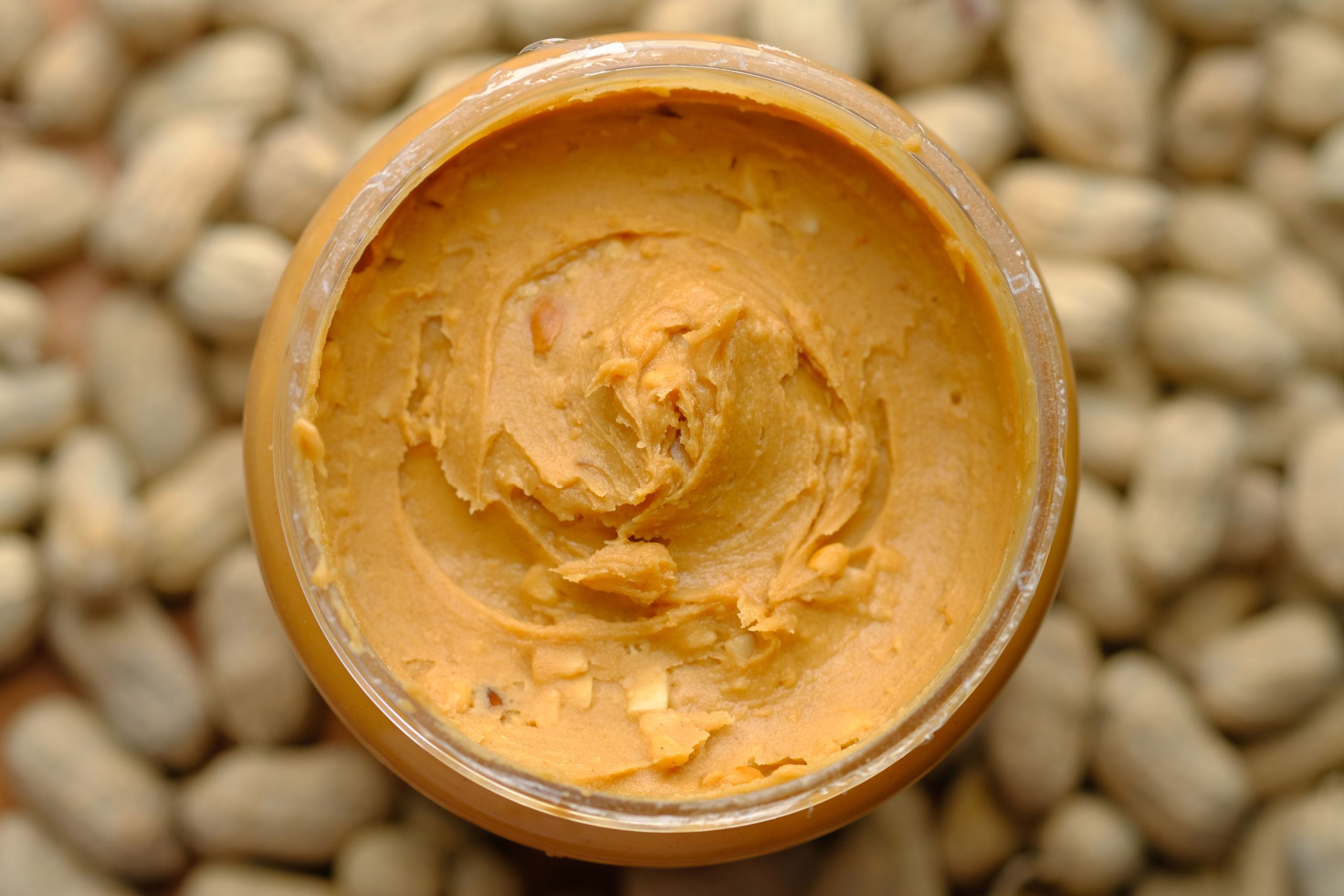
Ever opened a jar of natural peanut butter and discovered a little swimming pool of oil sitting on top?
That’s normal. Many natural peanut butters separate because they lack the stabilizing ingredients found in some conventional varieties.
The good news is that refrigeration can help slow that separation.
Colorado State University Extension recommends refrigerating natural peanut butter to reduce oil separation. However, refrigeration isn’t universally necessary for safety, and brands such as Smucker’s explicitly say their peanut butter doesn’t require it.
For easier storage, stir the peanut butter thoroughly before refrigerating it. Just expect a firmer consistency when you’re ready to spread it on toast.
If your jar says it’s pantry-stable and you prefer softer peanut butter, keeping it in the cupboard is still perfectly reasonable.
Whole-Wheat Flour

Flour belongs in the pantry, right? Not necessarily.
Whole-wheat flour behaves differently from refined white flour because it retains the grain’s oil-containing parts. Once the grain is milled, those components become more exposed to oxygen and can deteriorate over time.
That means a paper bag sitting near a warm stove isn’t the ideal home for whole-wheat flour, particularly if you bake only occasionally.
King Arthur Baking recommends airtight cold storage for whole-grain flours, with freezing especially useful for longer keeping.
Transfer your flour to a tightly sealed, food-safe container and place it in the refrigerator or freezer. This helps preserve freshness and keeps out unwanted moisture and odors.
One important reminder: Refrigeration doesn’t make raw flour safe to eat. Flour still needs proper cooking or baking.
Opened Dry Yeast
Nothing’s more frustrating than spending an afternoon making bread and then discovering your dough refuses to rise.
Sometimes, the problem isn’t your recipe. It’s the yeast you’ve been keeping in a warm kitchen cabinet.
Dry baker’s yeast is a living leavening ingredient, and exposure to heat, moisture, and air can gradually reduce its effectiveness.
Fleischmann’s recommends keeping opened dry yeast in the back of the refrigerator and using it within three to four months.
Red Star also recommends cold storage for its opened yeast jars, generally advising use within four months. However, the brands differ on freezing instructions, so check your particular package.
A simple habit can save your next batch of bread: Write the opening date on the container, seal it tightly, and refrigerate it after use.
Related: The 10 Dirtiest Places in Your Home (and Exactly How We Clean Them Properly)
Opened Soy Sauce
That bottle of soy sauce beside your stove might seem perfectly comfortable there. After all, soy sauce contains plenty of salt, which helps preserve it.
But there’s a difference between a food remaining safe and tasting its best.
Kikkoman recommends refrigerating its regular soy sauce after opening to maintain flavor and overall quality.
Exposure to air can gradually change its color and flavor. Refrigeration slows those changes, especially when a bottle stays open for weeks or months.
Kikkoman recommends using its sauces within one month of opening for the freshest taste. That’s a quality recommendation, not a warning that regular soy sauce suddenly becomes dangerous after 30 days.
Reduced-sodium varieties and mixed sauces may have different storage requirements, so the label is especially important.
Related: 10 Unhealthy Condiments and Their Healthier Substitutes
Ground Flaxseed
Ground flaxseed often comes in a resealable bag that looks perfectly suited to a kitchen shelf. But once opened, that bag may be better off in the refrigerator.
Grinding exposes more of the seed’s components to air, and refrigeration can help preserve freshness during extended storage.
Bob’s Red Mill recommends refrigerating ground flaxseed and also supports freezing it for longer storage.
However, there’s an interesting twist. Research published in the Journal of the American Oil Chemists’ Society found that certain milled flaxseed samples remained stable for 128 days at room temperature under controlled storage conditions.
So, ground flaxseed doesn’t automatically spoil overnight at room temperature. Still, if you use only a spoonful occasionally, sealing the package tightly and keeping it cold is a sensible option.
A Small Refrigerator Habit Worth Changing
Not every food on this list becomes dangerous if you leave it in a cupboard. For most, refrigeration helps maintain flavor, freshness, texture, or baking performance.
Homemade fresh garlic in oil is the important safety exception, with strict refrigeration and storage-time requirements.
Before returning another opened package to the pantry, take a moment to read its storage instructions. That tiny habit could mean fewer wasted ingredients and better results the next time you cook.
Other Posts You May Like
- 8 Things Grandma Always Found a Second Use for in the Kitchen
- 13 Things You Probably Remember From an ’80s Kitchen