Your next wild-food recipe may begin with paperwork. Washington’s Gifford Pinchot National Forest allows personal huckleberry harvests of 1 gallon daily and 3 gallons annually under its free-use rules.
Free permits, paid permits, state licenses, and closed areas mean different things. For these nine ingredients, the first question is where you’re gathering.
Morel mushrooms
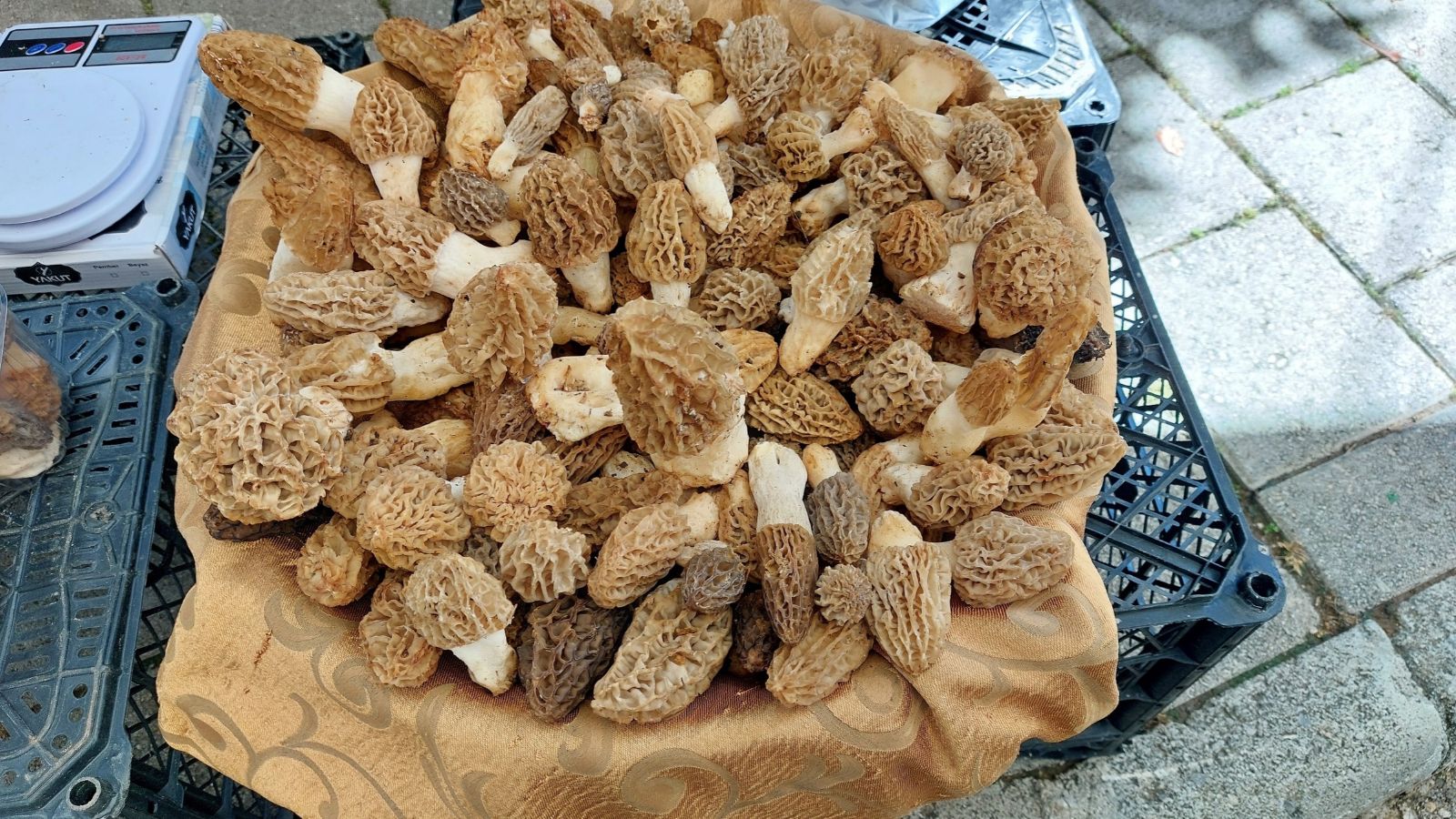
That basket of morels needs a location check. Gifford Pinchot requires a mushroom permit, with free personal-use permits available online. Kentucky’s Daniel Boone National Forest allows approximately 1 gallon for personal use without one; larger or commercial collections require a permit.
Morels fall under general mushroom rules, rather than a separate morel regulation. Let the forest’s instructions shape your gathering plans.
Chanterelle mushrooms
Chanterelles share Gifford Pinchot’s general mushroom permit requirement. However, Oregon’s Mt. Hood National Forest permits incidental personal mushroom collection without a permit, subject to published limits, including 1 gallon daily.
These are different local policies, not two species-specific restrictions. Before planning what goes into the pan, check the rules where you intend to fill the basket.
Matsutake mushrooms
Matsutake season comes with a calendar and a price tag. California’s Shasta-Trinity National Forest announced a September 16–November 30, 2026, season on its Mount Shasta and McCloud ranger districts. Harvesters there must buy a commercial permit: $100 for 30 consecutive days and up to 100 pounds, or $200 for the season and up to 200 pounds. Applicants must be at least 18 with valid identification; adjoining-forest permits don’t cover these districts.
Oregon’s Siuslaw National Forest allows up to 6 matsutake per person daily for personal use without a permit, provided they’re sliced in half before removal. Larger collections or gathering for sale require paid permits. Your destination determines which arrangement applies.
Huckleberries
Leave room for limits alongside the berries. Gifford Pinchot requires adults to obtain a free online permit, capped at 1 gallon daily and 3 per calendar year. People under 18 are exempt from that permit requirement. Berries gathered under free use cannot be sold or bartered.
On April 21, 2026, the Forest Service announced that commercial huckleberry permits would not be issued that year; personal gathering remained open. Closed areas and traditional gathering grounds reserved for tribal harvesting still apply. Public permits do not override those boundaries, and tribal treaty harvesting has a separate legal basis. Check the map before reaching for the berries.
Edible fern shoots
A $0 permit still matters. Gifford Pinchot directs edible-fern gatherers to obtain its free-use permit and identifies areas where gathering is prohibited.
The agency’s broad “edible ferns” category does not authorize collection of every fern or establish that all fiddleheads are the same species. Confirm the permitted product and location before gathering.
Ramps, or wild leeks
Ramps bring two different permit policies into view. Tennessee’s Cherokee National Forest requires a forest-product permit and directs collectors to the appropriate ranger district.
George Washington and Jefferson National Forests allow small personal quantities without one, while bulk or commercial gathering requires authorization. Cherokee’s limits harvest and has a fee. Ask the district before committing to a collection plan.
Piñon pine nuts
For piñon nuts, follow both the agency and the state. BLM’s Colorado guidance requires permits for its personal and commercial forest-product sales, including these nuts. On BLM land in New Mexico, the permit-free personal allowance is 25 pounds per household annually.
California’s Inyo National Forest allows incidental personal quantities of nuts and plant materials that fit in a 1-gallon bag and prohibits pinyon-cone collection above incidental amounts. A larger harvest isn’t automatically available for a larger fee.
Maple sap
Sap has paperwork before it has a place in your kitchen. Michigan’s Ottawa National Forest charges $2 per tap, with a $20 minimum permit. Approval requires a map and the proposed location’s township, range, and section; processing can take a day or two, depending on staff schedules.
Commercial activity requires additional permitting. Also ask about equipment restrictions and arrange approval before setting up.
Seaweed
Seaweed shifts the paperwork to a state license. Washington’s Department of Natural Resources requires a valid Washington Department of Fish and Wildlife license and sets a daily limit of 10 pounds wet weight per person. Exceeding that limit may bring a fine. Sale or barter is prohibited, and using rakes or forks to tear plants is prohibited.
DNR names 3 state-park exceptions to the general seaweed-harvest closure: Fort Flagler, Fort Ebey and Fort Worden. Seasonal and site-specific requirements still apply, and restricted beaches remain closed. Treat those names as places to check before planning your harvest.
Federal rule 36 CFR 261.6(h) prohibits unauthorized removal of forest products, subject to applicable authorizations and exceptions. Daniel Boone warns of fines and/or imprisonment for unauthorized gathering or guideline violations; no standard fine covering all nine foods was established. Check current rules with the actual land manager before leaving. Permission does not establish edibility: this is a harvesting-rules guide. Let the recipe come after the permission.