Every October, Americans fill their shopping carts with chocolate bars, chewy sweets, and colorful candy corn. But these Halloween favorites have fascinating stories, from candy named after a horse to wartime chocolate treats. Here are 10 candies with histories that make your Halloween bowl even more interesting.
Candy Corn Was Originally Called Chicken Feed
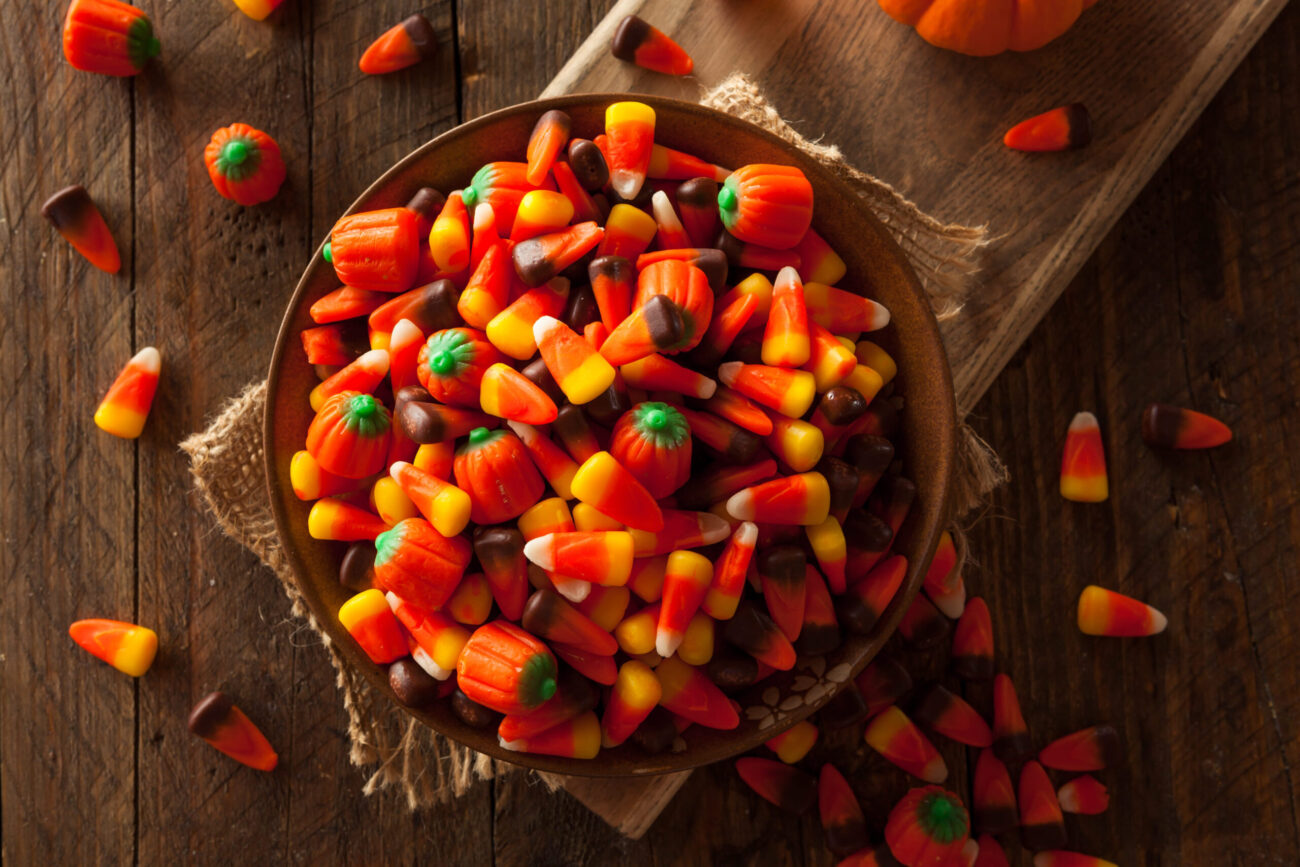
One of Halloween’s most recognizable sweets began with a surprisingly unusual name.
Candy corn dates back to the 1880s, when American confectioners experimented with sweets shaped like familiar objects. The Goelitz Confectionery Company began producing it in 1898 as Chicken Feed. Its yellow, orange, and white layers eventually became associated with autumn celebrations.
Today, candy corn remains divisive. Some people love its sugary flavor, while others happily leave it untouched. Either way, its harvest-inspired appearance helped make it a Halloween classic. National Geographic explores candy corn’s history.
Tootsie Rolls Were Once Penny Candy
A century-old sweet became a trick-or-treating favorite thanks to its convenient size.
Leo Hirschfield introduced Tootsie Rolls in New York City in 1896 and named them after his daughter, nicknamed Tootsie. Originally sold for one penny, the chewy candies offered an affordable treat that appealed to children and adults.
Their individually wrapped portions eventually made them practical for Halloween handouts. Learn more on the official Tootsie Roll website.
Reese’s Peanut Butter Cups Started Small
One of America’s favorite chocolate combinations began with an ambitious candy maker.
Harry Burnett Reese developed his candy business during the 1920s after working for Hershey. Around 1928, he introduced peanut butter cups, combining chocolate with a creamy, nutty filling.
The pairing became his company’s signature product. Hershey acquired the Reese business in 1963, helping turn the humble peanut butter cup into a Halloween candy superstar. Learn more through the Hershey Community Archives.
Snickers Was Named After a Horse
This famous chocolate bar owes its name to an animal rather than an ingredient.
Introduced in 1930 by Mars, Snickers combines peanuts, caramel, nougat, and chocolate. According to widely reported accounts, Frank Mars named it after a beloved family horse.
Its mix of textures set it apart from simpler chocolate bars. Today, miniature Snickers remain popular Halloween treats, proving that a memorable name and satisfying combination can last for generations.
M&M’s Have Wartime Roots
These colorful chocolates were designed to make eating chocolate more practical.
M&M’s appeared in 1941, with their candy shells helping prevent the chocolate from melting as easily in people’s hands. They became popular among American military personnel during World War II because they were convenient to carry.
After the war, the sweets reached a wider consumer market. Their colorful appearance and small size eventually made them natural additions to Halloween candy bowls.
KitKat Had a Different Name
Your favorite chocolate wafer bar once had a much longer name.
Introduced in Britain in 1935, KitKat originally appeared as Rowntree’s Chocolate Crisp. The name changed to KitKat Chocolate Crisp in 1937 before the shorter version became established.
Its crunchy wafer and smooth chocolate create a distinctive texture that continues to appeal to candy lovers worldwide.
Related: 6 Top Halloween Candy Picks for Trick-or-Treaters
Hershey’s Kisses Date Back to 1907
A little foil wrapper helped make these chocolates instantly recognizable.
Hershey’s Kisses debuted in 1907, offering small chocolates that were easy to share. Their distinctive wrapping helped them stand out, while later varieties and seasonal packaging expanded their appeal.
Today, they appear at celebrations year-round, including Halloween parties and candy displays.
Halloween Treats Weren’t Always Candy
Trick-or-treaters once received a much wider variety of homemade goodies.
Earlier Halloween celebrations included fruit, nuts, cookies, and popcorn balls. Commercially packaged sweets became increasingly popular as candy manufacturing expanded and households sought convenient treats.
Individually wrapped candy eventually became a Halloween staple, helping manufacturers turn October into an important sales season. The Library of Congress explores Halloween traditions.
Seasonal Wrappers Make Familiar Candy Exciting
Sometimes, a spooky package is all a familiar sweet needs to feel special.
Orange and black wrappers, ghosts, pumpkins, and Halloween graphics transform ordinary candy into seasonal merchandise. Smaller portions also make it easier to hand out treats to neighborhood visitors.
Manufacturers benefit because they can refresh familiar products without developing entirely new recipes.
Candy Corn Still Divides Halloween Fans
Few sweets inspire such passionate opinions while remaining so recognizable.
Candy corn’s distinctive texture and intense sweetness have created generations of devoted fans and enthusiastic critics. Yet its autumn association keeps it in stores every October.
For many people, the appeal goes beyond flavor. Nostalgia, family traditions, and childhood memories can make familiar sweets special long after tastes change.
Which Halloween Candy Wins Your Vote?
Every candy bowl tells a story, but everyone has a favorite.
From penny sweets to chocolate inventions, these treats reflect generations of creativity, changing tastes, and Halloween traditions.
Now tell us: Which Halloween candy would you grab by the handful, and which one would you happily leave behind?