Dinner has its own rhythm, but some ingredients need a clock, too. CDC recommends refrigerating cut produce as soon as possible, within 2 hours; homemade garlic or herb oil belongs in the refrigerator, and unused portions should be discarded after 4 days.
Those instructions belong to different preparations. Across these 11 examples, the useful habit is to check what you have, how you’re preparing it and where it belongs afterward.
Potatoes: inspect before choosing the recipe
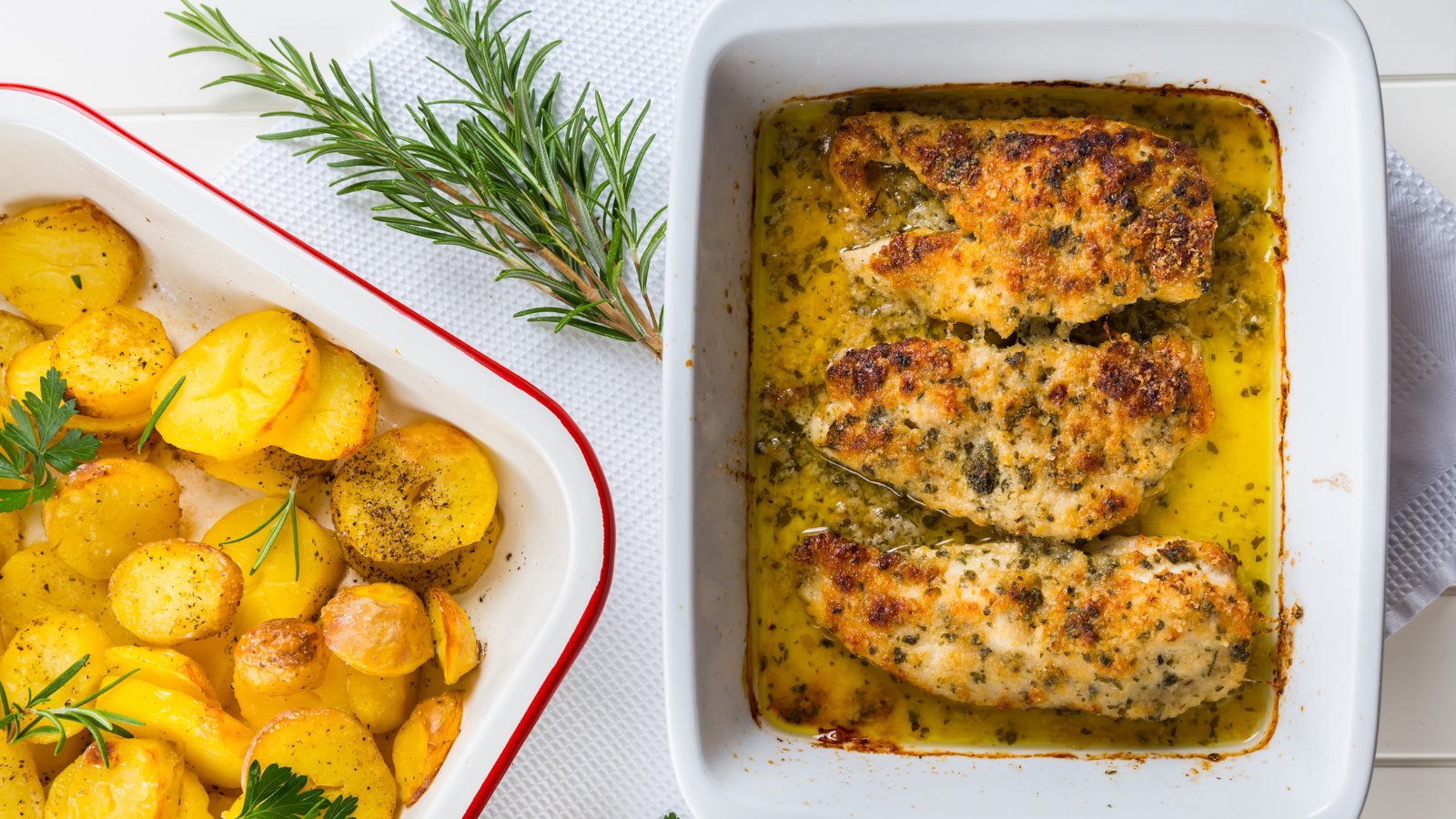
Before deciding between boiling and roasting, take a close look at your potatoes. Hong Kong’s Center for Food Safety advises discarding potatoes that are green, sprouted, or damaged, rather than relying on extra cooking.
Take this practical step before the pan: select the potatoes you’ll use, then move on to the recipe. That recommendation names specific conditions; it doesn’t assign every tiny surface blemish the same significance.
Cassava: peeling is only the beginning
Cassava asks you to plan beyond the peeler. The Center for Food Safety outlines peeling, soaking, cutting into small pieces, and thorough boiling, so removing the skin alone does not complete its preparation sequence.
Follow instructions appropriate to the cassava variety or product you actually have. A universal soaking and cooking schedule is not established here: product-specific times are necessary.
Fresh bamboo shoots: check which form you bought
Check whether your bamboo shoots are fresh or labeled ready to use before choosing a method. For fresh shoots, the Center for Food Safety recommends removing the outer covering, soaking, cutting into smaller pieces, and boiling thoroughly.
Follow the package directions for commercially processed, ready-to-use canned shoots. Exact soaking and boiling times for the particular fresh shoots and brief warming is not the procedure described.
Green beans: use a method written for fresh beans
The word “bean” does not make every preparation interchangeable. The Center for Food Safety’s guidance calls for thoroughly cooking green beans at a boiling temperature, not merely warming them.
Choose an established method for fresh green beans and complete its cooking step. Keep the dried kidney-bean schedule separate, even if both ingredients sit on your counter.
Dried red kidney beans: leave room for soaking and boiling
These beans ask you to begin dinner well before the pot starts humming. The FDA recommends soaking for at least 5 hours, then draining and boiling in fresh water for at least 30 minutes. New Zealand’s Ministry for Primary Industries separately advises against preparing raw kidney beans at low temperatures in a slow cooker.
These instructions apply to dried beans; commercially canned kidney beans have already been processed and don’t need the same preliminary routine.
Related: 8 Kitchen Tasks You’re Making Way Harder Than They Need To Be
Zucchini: don’t try to season away unusual bitterness
Unusually bitter zucchini is a reason to stop using that vegetable. Germany’s Federal Institute for Risk Assessment advises against using bitter zucchini, while France’s ANSES says bitter edible squash should be discarded even after cooking.
Don’t try to cover the taste or give it another turn in the pan. Keep this recommendation specific to the squash described, rather than extending it to every naturally bitter vegetable.
Rhubarb: keep the stalks and leaves separate
When preparing rhubarb, start with the plant part. MedlinePlus identifies the stalk as edible and distinguishes it from the leaves, which should be excluded from food preparation.
Remove the leaves instead of treating them as another bunch of cooking greens. Let the stalks carry the recipe; adding more cooking time does not change which part you should select.
Alfalfa and mung-bean sprouts: distinguish rinsing from cooking
A colander and a cooking pan have different jobs. FDA’s produce guidance distinguishes raw or lightly cooked sprouts, including alfalfa and mung-bean varieties, from thoroughly cooked produce.
For a cooked preparation, use an established method that cooks the sprouts thoroughly instead of stopping after a rinse. Let that recipe guide the timing; the FDA page doesn’t provide a single cooking time for every sprout dish.
Lettuce and leafy greens: read the washing label
Before turning on the tap, check the bag. The FDA says produce labeled “pre-washed” or “ready-to-eat” can be used without another wash, but you may rewash it using clean surfaces and utensils.
Ordinary produce should be washed under running water, and preparation equipment should be clean and kept separate from raw meat, poultry, and seafood. The label determines whether another wash is needed; the fact that lettuce comes in a bag does not.
Tomatoes: plan storage when you start chopping
Once the tomatoes are cut, put refrigeration on the preparation list. CDC recommends chilling cut, peeled, or cooked produce as soon as possible and within 2 hours.
A splash of lemon juice or vinegar does not automatically make chopped tomatoes a pantry preparation: FDA’s tomato guidance requires verified acidity for the relevant exception to refrigeration. Keep your tomato salad’s storage instructions alongside its ingredient list.
Homemade garlic oil: give the bottle a date
Write the date next to the name of your homemade infusion. CDC recommends refrigerating oils made with garlic or herbs and discarding unused portions after 4 days.
Treat that bottle as a short-term refrigerated preparation, and plan the amount you make accordingly. For a commercially formulated oil, follow its label rather than assuming the homemade instructions apply.
Give each ingredient its own preparation plan, then let the pleasure of cooking take over.
OTHER POSTS YOU MAY LIKE