A gift box can come with a rulebook. In New York, qualifying alcoholic chocolates and other confections must be sold in quantities of at least half a pound or 24 pieces, and buyers must be 21 or older. Beneath the ribbon, there’s more to check than the flavor assortment.
These 9 examples cover specific sales and production restrictions across 4 states. Several concern cottage-food programs, which let people sell certain foods made in home kitchens; Michigan’s guidance describes its exemption as covering eligible products from an unlicensed residential kitchen. Keep the occasion and the transaction separate: baking for your gathering and taking customer orders are different questions.
Foie gras made through force-feeding.
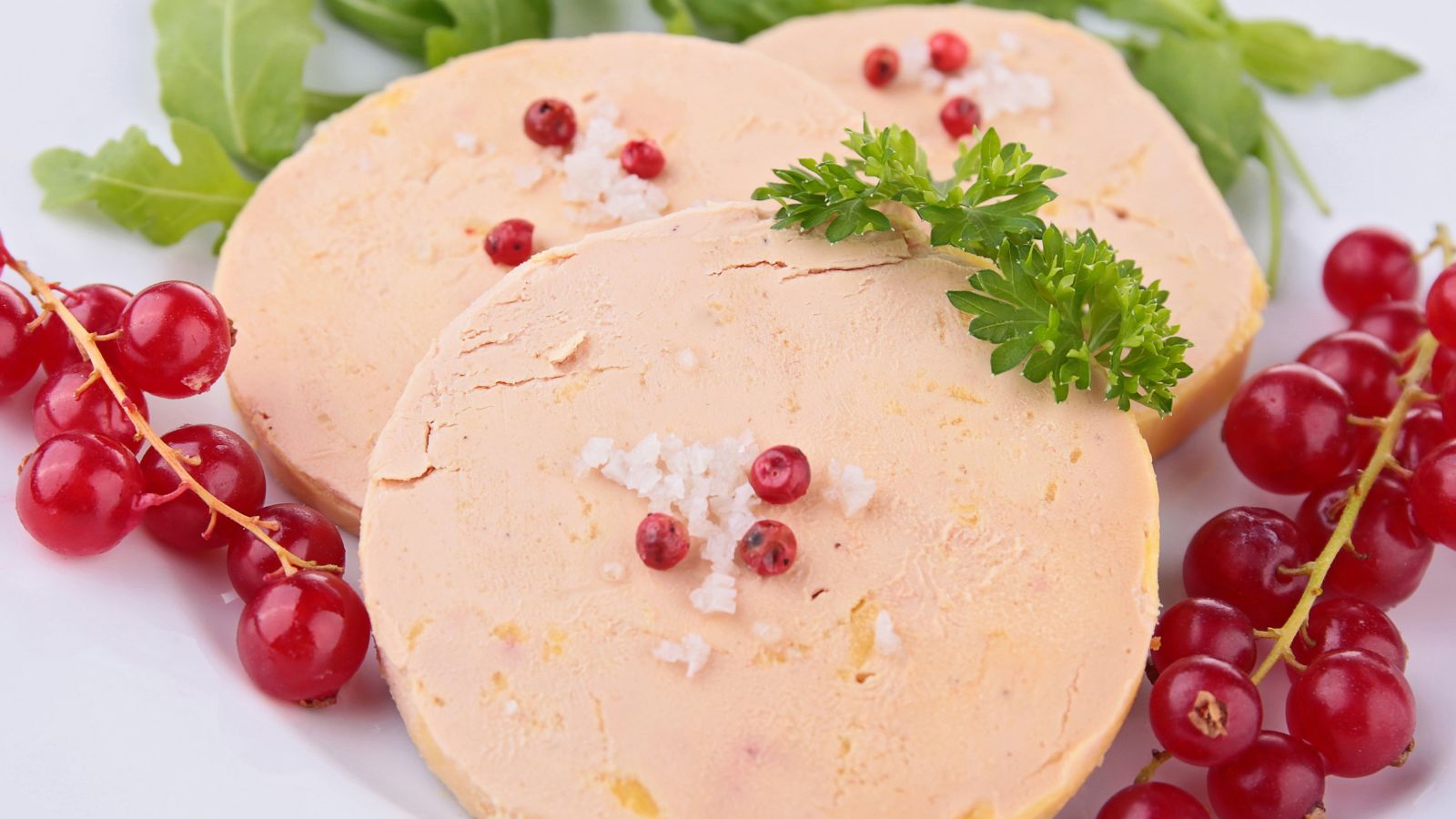
In California, the production method matters before the platter reaches the table. Health and Safety Code §25982 prohibits in-state sales of products from birds force-fed to enlarge their livers, and the related law prohibits that force-feeding practice within California.
A 2022 Ninth Circuit ruling preserved a narrow path for qualifying purchases made outside the state, with the purchaser or a third-party shipper bringing the product in. That route accommodates personal purchases; California restaurants and retailers still cannot sell the covered product in-state. The distinction follows the transaction, rather than simply where someone eats dinner.
Venison from deer species native to Florida
For this entrée, the species matters as much as the name on the menu. Florida’s Fish and Wildlife Conservation Commission says meat from deer species native to the state cannot be sold, citing Rules 68A-12.004 and 68A-12.011.
Its guidance allows qualifying uncooked venison from non-native species if it has legal-source records, labeling, and tamper-proof packaging. Those conditions explain why a venison listing alone tells you too little: the rule distinguishes the animal’s species and the commercial supply, rather than prohibiting every legally obtained venison dinner.
Eggnog made with raw milk.
The milk changes the sales question for this holiday pour. In its August 6, 2025, announcement, Florida’s agriculture department said raw milk could be sold only with labeling stating it was not for human consumption. Applying that ingredient rule to raw-milk eggnog is an inference; the announcement does not name eggnog as a separate prohibited drink.
Florida’s milk-sales statute supports the distinction between raw and pasteurized dairy sales. Ordinary pasteurized eggnog is outside the raw-milk restriction described here, so keep the qualification attached to the name.
Liquor-filled chocolates and alcoholic candies
Read the fine print before choosing the gift wrap. Florida Statutes §500.10 allows qualifying candy with more than 0.5% but less than 5% alcohol by volume, with sales restricted to adults 21 and older.
It also requires age labeling and authorized distribution channels, and limits liquid-alcohol forms that would constitute an alcoholic beverage.
New York’s corresponding range includes 5% alcohol by volume, with required warnings and minimum quantities of half a pound or 24 pieces. That small difference matters: the two states’ upper limits are not interchangeable.
Alcohol-infused ice cream
New York has its own conditions for the scoop. State law allows qualifying frozen desserts with 0.5% to 5% alcohol by volume, and limits sales to people 21 and older.
Take-home retail packages must arrive sealed from the manufacturer or distributor and carry required warnings, with additional display notices. Individual servings also require menu notices. A splash of rum in a recipe alone does not establish the finished dessert’s alcohol percentage.
Pumpkin custard pie sold from a home kitchen
Your family’s pumpkin pie and a pumpkin-pie business are different propositions. California’s approved cottage-food list excludes pumpkin pie, and its department explains that custard pies fall outside the program. That restriction concerns eligibility for a particular home-business route; it does not prohibit baking the pie for your own holiday table or establish a blanket ban on bakery versions.
Michigan likewise excludes pumpkin pie from cottage-food sales. Together, these 2 states illustrate why a familiar dessert still needs a program-specific check before it appears on a home baker’s order form. What Can I Make?
Related: The 50-Year-Old Pumpkin Bar Recipe That Started With a Santa Ana Accountant.
Caramel apples sold as cottage foods
The caramel coating doesn’t automatically qualify for a permission slip. Michigan’s agriculture department explicitly excludes caramel apples from cottage-food sales but allows some chocolate-covered fruits.
Check the exact product category: this exclusion concerns the home-business exemption, not every commercially produced caramel apple.
Pumpkin butter and apple butter
A jar and a handwritten label do not settle the selling question. Michigan’s list excludes both pumpkin butter and apple butter, along with other fruit or vegetable butters.
Qualifying fruit jams and jellies are allowed separately. These 2 spreads therefore need their own eligibility check; jam permission does not cover them.
Cakes with cream-cheese frosting
The frosting can change a cake’s cottage-food eligibility. Michigan excludes cream-cheese frostings and icings but permits qualifying commercially prepared, shelf-stable frostings.
It also identifies 2 tested buttercream recipes that must be followed as directed. Before selling holiday cupcakes, check the frosting as carefully as the cake beneath it.
Before taking holiday orders, check the relevant regulator’s current requirements; California specifically directs cottage-food registration and permitting to local enforcement agencies.