A trip can look perfect on a screen and still feel like a mistake once the fees, crowds, traffic, heat, hotel rates, and real-world headaches show up. That is the trap many American travelers are walking into right now. The glossy version of a city often sells its skyline, restaurants, beaches, nightlife, and “once-in-a-lifetime” attractions. The actual trip can feel very different when a family spends half the vacation waiting in lines, sitting in rideshare traffic, dodging surge pricing, or trying to make a $300 hotel room feel worth it.
We are not saying these American cities have no value. Many of them remain iconic, culturally rich, and deeply important to the U.S. travel map. The better question is whether they are worth booking right now, especially for travelers who want comfort, value, safety, easy movement, and a vacation that does not feel like work.
Some cities are too expensive for the experience they currently deliver. Some are dealing with extreme weather, event disruptions, airport pressure, tourism fatigue, or uneven recovery. Others still shine in the right season but can disappoint visitors who arrive at the wrong time with the wrong expectations.
Below are 10 American cities travelers may want to pause on before booking, along with what to know before spending the money.
Las Vegas, Nevada: The Strip Is Still Flashy, but the Value Has Changed
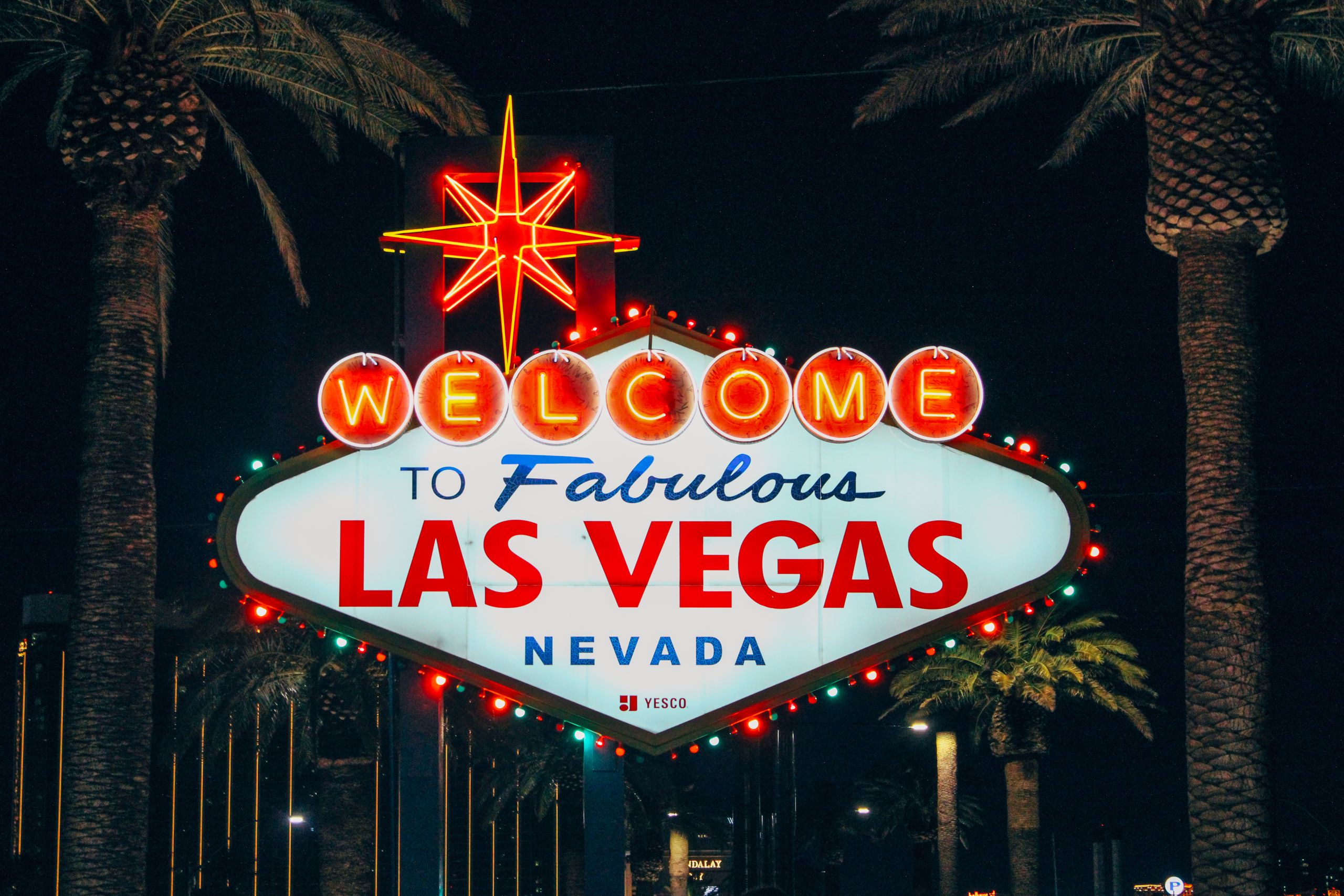
Las Vegas used to be the easy American escape. You could find a cheap flight, land quickly, grab a room, wander the Strip, eat late, and feel like the city gave you more than you paid for. That old version of Vegas still exists in pieces, but many travelers now feel the math has changed. Resort fees, restaurant prices, paid parking, show tickets, rideshare surges, and casino-floor inflation can turn a quick weekend into a surprisingly expensive gamble.
The bigger issue is not that Las Vegas is boring. It is that the city has become harder to enjoy casually. A visitor who once went for affordable fun may now find that the best experiences are locked behind higher prices. Even midrange trips can feel squeezed when a hotel room looks affordable online but ends up costing more after nightly fees and add-ons.
For travelers who love big entertainment, celebrity restaurants, pool parties, sports betting, and major events, Vegas can still deliver. But for families, budget travelers, couples looking for a relaxed weekend, or anyone hoping for old-school value, this may be a city to delay until better deals line up.
New York City, New York: Iconic, Crowded, and Expensive at the Same Time
New York City is still one of the greatest urban destinations in the world. The problem is not the city’s cultural value. The problem is the friction. Hotels are expensive, restaurant bills add up quickly, tourist zones can feel crowded, and first-time visitors often underestimate how much walking, waiting, and spending the trip requires.
A trip to New York also depends heavily on timing. Visit during a crowded event window, holiday period, or peak summer stretch, and the city can feel less like a dream and more like a test of patience. Times Square, Midtown, major museums, Broadway corridors, ferry lines, and observation decks can all become pressure points for tourists trying to fit too much into too little time.
We would not tell anyone to cross New York off forever. But travelers who want an easy, relaxing, affordable city break may want to think twice before booking right now. New York requires planning, stamina, and a bigger budget. Without those, the trip can become more exhausting than exciting.
Orlando, Florida: Theme Park Magic Comes With a Heavy Price Tag
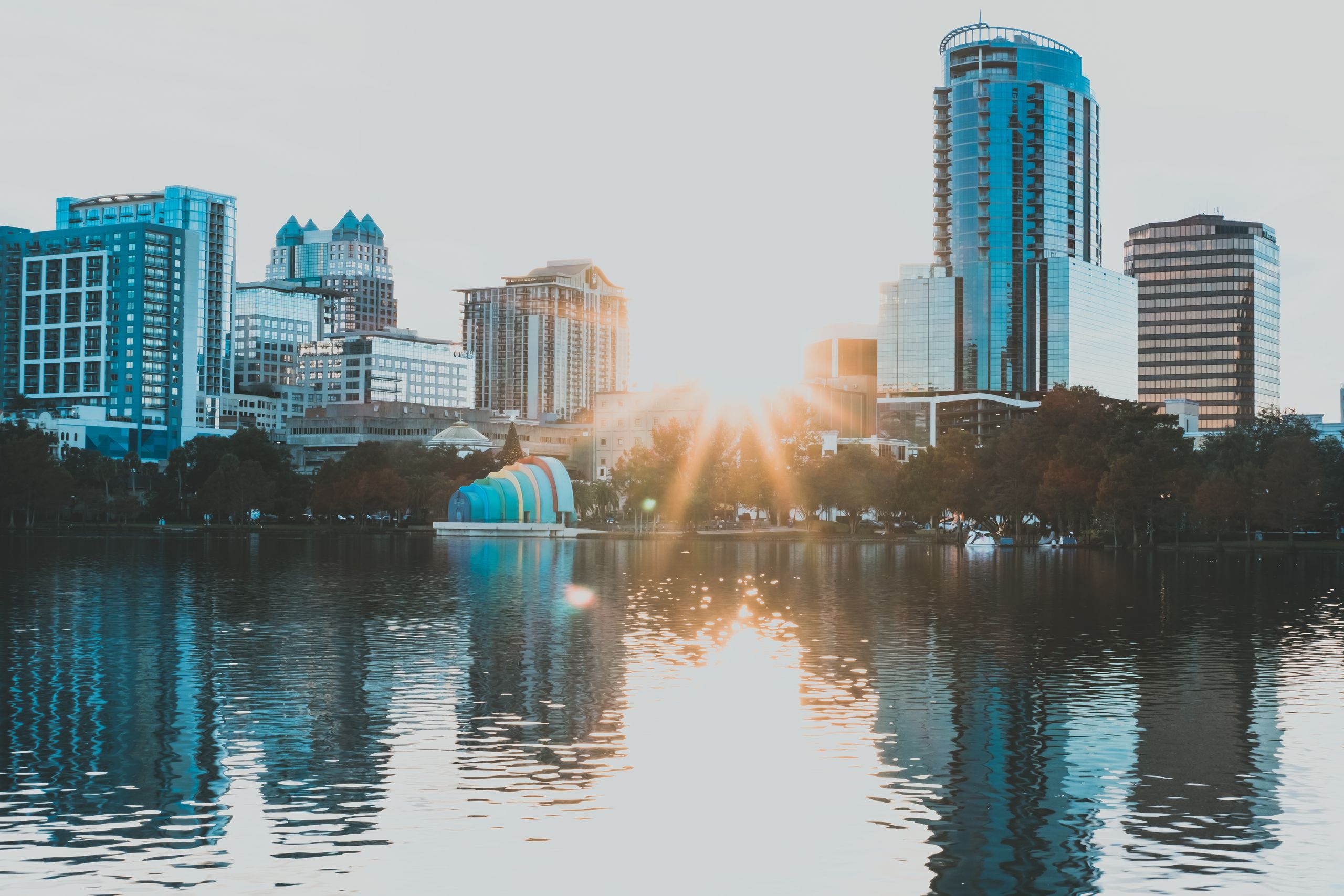
Orlando sells happiness better than almost any city in America. It has world-famous theme parks, family resorts, water parks, shopping outlets, character dining, and enough attractions to fill two weeks. But the city’s biggest strength is also its biggest problem. Orlando is built around paid experiences, and those experiences add up fast.
A family trip can quickly balloon . Tickets, parking, hotel taxes, resort fees, food, paid line-skipping systems, merchandise, airport transfers, and rental cars can make the final cost feel shocking. Even with discounts, visitors still need to manage crowds, heat, long walks, reservation systems, and packed itineraries.
Orlando is still worth visiting for families who have saved specifically for the theme park experience. But anyone expecting a simple, budget-friendly Florida vacation may leave frustrated. For travelers who do not care deeply about Disney, Universal, or the major parks, other Florida destinations may offer a calmer and better-value trip.
Phoenix, Arizona: The Heat Can Overpower the Vacation
Phoenix has beautiful desert scenery, strong resorts, golf, spas, mountain views, and access to some of the Southwest’s most dramatic landscapes. But during the hottest part of the year, the city can become a difficult place to enjoy outdoors. Heat changes everything. It affects hiking plans, walking distance, car interiors, pool time, children, older travelers, pets, and anyone not used to desert conditions.
The problem is not just high temperatures. It is how the heat limits freedom. A visitor may imagine sunrise hikes, patio meals, downtown wandering, and scenic drives. In reality, summer days often require early starts, long indoor breaks, constant hydration, and careful planning. Even short outdoor activities can become draining.
Phoenix makes far more sense in fall, winter, or early spring. Right now, heat-sensitive travelers should be careful. Unless the trip is built around resorts, air-conditioning, indoor dining, and early-morning outings, Phoenix can feel less like a desert escape and more like a survival schedule.
Miami, Florida: Beautiful, Pricey, and Not Always Relaxing
Miami has obvious appeal. The beaches are famous, the food is vibrant, the nightlife is loud, and the city carries a global energy few American destinations can match. But Miami can also be one of the easiest cities to overspend in, even while feeling stressed. Hotel rates, restaurant prices, valet parking, beach club costs, rideshares, and nightlife expenses can climb quickly.
The city also has a timing problem. Summer and hurricane season can bring heat, humidity, storms, flooding concerns, and travel uncertainty. During peak periods, Miami Beach can feel crowded and expensive. During party-heavy weekends, travelers looking for peace may find the atmosphere louder than expected.
Miami is best for visitors who know exactly what they want: nightlife, beach energy, luxury dining, cultural neighborhoods, or a warm-weather escape. But for families, budget travelers, or anyone seeking a quiet beach vacation, the current value can feel uneven. A Florida Gulf Coast town, the Keys in the right season, or a less hyped beach city may offer a better match.
Los Angeles, California: Big Dreams, Long Drives, and Uneven Tourist Payoff
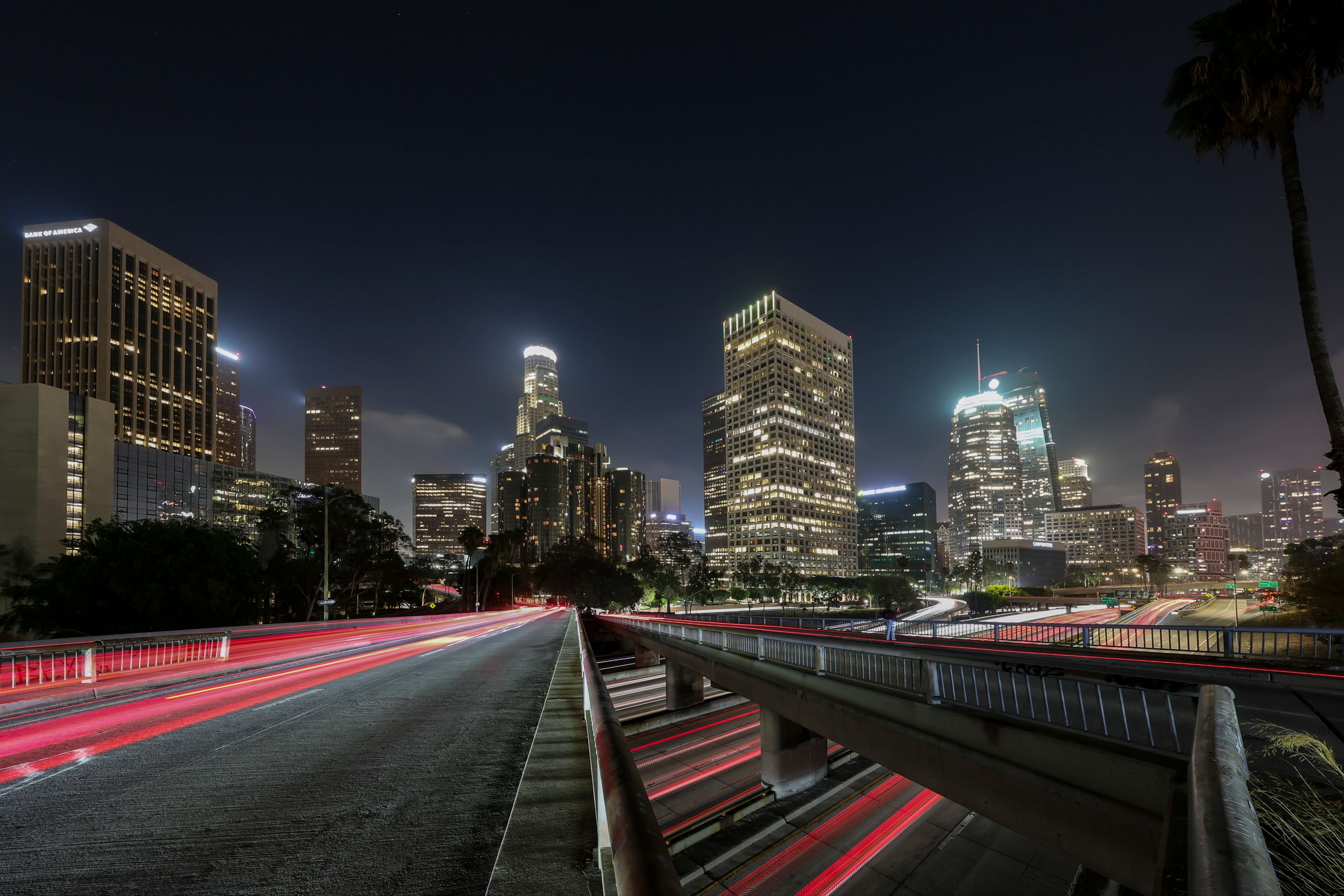
Los Angeles is not one simple destination. It is a massive region with beaches, studios, museums, luxury hotels, hiking trails, sports venues, celebrity culture, food corridors, and traffic that can swallow entire afternoons. That scale is part of the attraction, but it is also why many visitors leave disappointed. They imagine a glamorous city. They experience long drives, parking costs, spread-out attractions, and neighborhoods that feel disconnected from one another.
A first-time visitor may try to see Hollywood, Santa Monica, Beverly Hills, Downtown L.A., Griffith Observatory, Universal Studios, and the beach in one short trip. That plan looks reasonable on a map and exhausting in real life. The distance between attractions often matters more than the attractions themselves.
Los Angeles still works for travelers with a clear plan and enough time. But spontaneous tourists should be careful. Without smart neighborhood choices and realistic expectations, L.A. can feel expensive, slow, and oddly difficult to love.
San Francisco, California: Gorgeous Views, But a Complicated City Break
San Francisco remains visually stunning. The bay, bridges, hills, fog, parks, neighborhoods, and food scene still give the city a beauty few places can copy. Yet the visitor experience can be uneven. Hotel prices can feel high, downtown recovery remains a concern in some areas, and travelers expecting a polished postcard version of the city may be surprised by how different neighborhoods feel from one another.
The best of San Francisco is still very real. Golden Gate Park, the waterfront, the Presidio, North Beach, Chinatown, museums, ferry rides, and access to nearby wine country can make a trip memorable. But visitors need to plan carefully around location, transportation, and expectations. A poorly chosen hotel or a downtown-only itinerary can make the city feel less rewarding than it should.
San Francisco is not a city to visit blindly right now. It is better for travelers who research neighborhoods, choose lodging carefully, and focus on specific experiences instead of expecting the whole city to feel effortless.
New Orleans, Louisiana: Soulful, Historic, and Still Worth Careful Planning
New Orleans is one of America’s most culturally distinct cities. The music, food, architecture, festivals, cemeteries, street life, and layered history make it unforgettable. But it is also a city where timing and location matter. Visitors who arrive only for Bourbon Street may miss the best parts while dealing with the most chaotic ones.
The city has also faced serious public safety scrutiny in recent years, especially around major tourist corridors and large events. That does not mean travelers should panic or avoid New Orleans completely. It does mean visitors should treat it like a real city, not a theme park. Moving around at night, drinking heavily, wandering away from busy areas, and ignoring local guidance can quickly change the tone of a trip.
New Orleans is best for travelers who value culture over chaos. Go for live music, restaurants, history tours, neighborhoods, and daytime exploration. Think twice if the plan is only late-night partying in the most crowded tourist zones.
Washington, D.C.: Free Museums, Big Crowds, and Event Disruptions
Washington, D.C. has one major advantage over many U.S. cities: many of its best attractions are free. The Smithsonian museums, monuments, memorials, and National Mall make it one of the best educational trips in America. But free does not always mean easy. Security, road closures, school groups, political events, protests, motorcades, summer heat, and major national celebrations can all complicate a visit.
This is especially important during high-profile event periods. D.C. can shift quickly from manageable to gridlocked. A family may plan a smooth museum day and end up dealing with blocked streets, packed Metro trains, long security lines, or limited access around major landmarks.
Washington is still a strong destination for history lovers, families, students, and first-time visitors. But travelers should avoid booking casually during major events unless they are prepared for crowds and disruption. D.C. rewards flexibility more than a tight schedule.
Honolulu, Hawaii: Paradise Is Real, but So Is the Cost

Honolulu is beautiful in a way few American cities can match. Waikiki, Diamond Head, the Pacific, the food, the weather, and the blend of cultures make it a dream destination for many travelers. But Hawaii is not a casual budget trip for most Americans. Flights, hotels, rental cars, meals, activities, resort fees, and taxes can make the total cost feel heavy before the vacation even begins.
Honolulu also comes with a deeper issue: tourism pressure. Visitors share space with residents who face high housing costs, busy roads, and an economy heavily shaped by external demand. A thoughtless trip can feel extractive. A rushed trip can feel overpriced. A poorly planned trip can trap visitors in the most crowded version of Waikiki while missing the deeper beauty of Oahu.
Honolulu is worth visiting when travelers can afford to do it respectfully and slowly. But if the budget is tight, the schedule is short, or the goal is a simple beach getaway, this may not be the best American city to book right now.
Smartest way for travellers
The smartest travelers are not asking, “Is this city good or bad?” They are asking, “Is this city right for this trip, this season, this budget, and this group?” That question changes everything. A city can be perfect for a solo food traveler and terrible for a family with small children. Another can be great in February and miserable in July.
Before booking, we should look at five pressure points: total cost, weather, crowd level, transportation, and the reason for going. If the city is expensive but the trip has no clear purpose, wait. If the weather limits most of the activities, wait. If major events will create road closures and hotel surges, wait. If the main attraction is not something the traveler truly cares about, choose somewhere easier.