Taylor Fresh Foods pulled dozens of prepared salsas, dips, sandwiches and salad kits from shelves this weekend, the second major food safety scare tied to the Salinas producer in as many months. The move followed a supplier recall from Coast Citrus Distributors, whose fresh jalapeños have been linked to a Salmonella Javiana outbreak spanning 27 states.
For a company whose name sits on lettuce bags, deli cases and grocery store salad bars across the country, the timing compounds an already bruised reputation. Federal investigators had barely closed the loop on a separate cyclospora outbreak tied to Taylor’s iceberg lettuce before jalapeños became the newest flashpoint.
The recall spans 19 products sold at seven major retailers
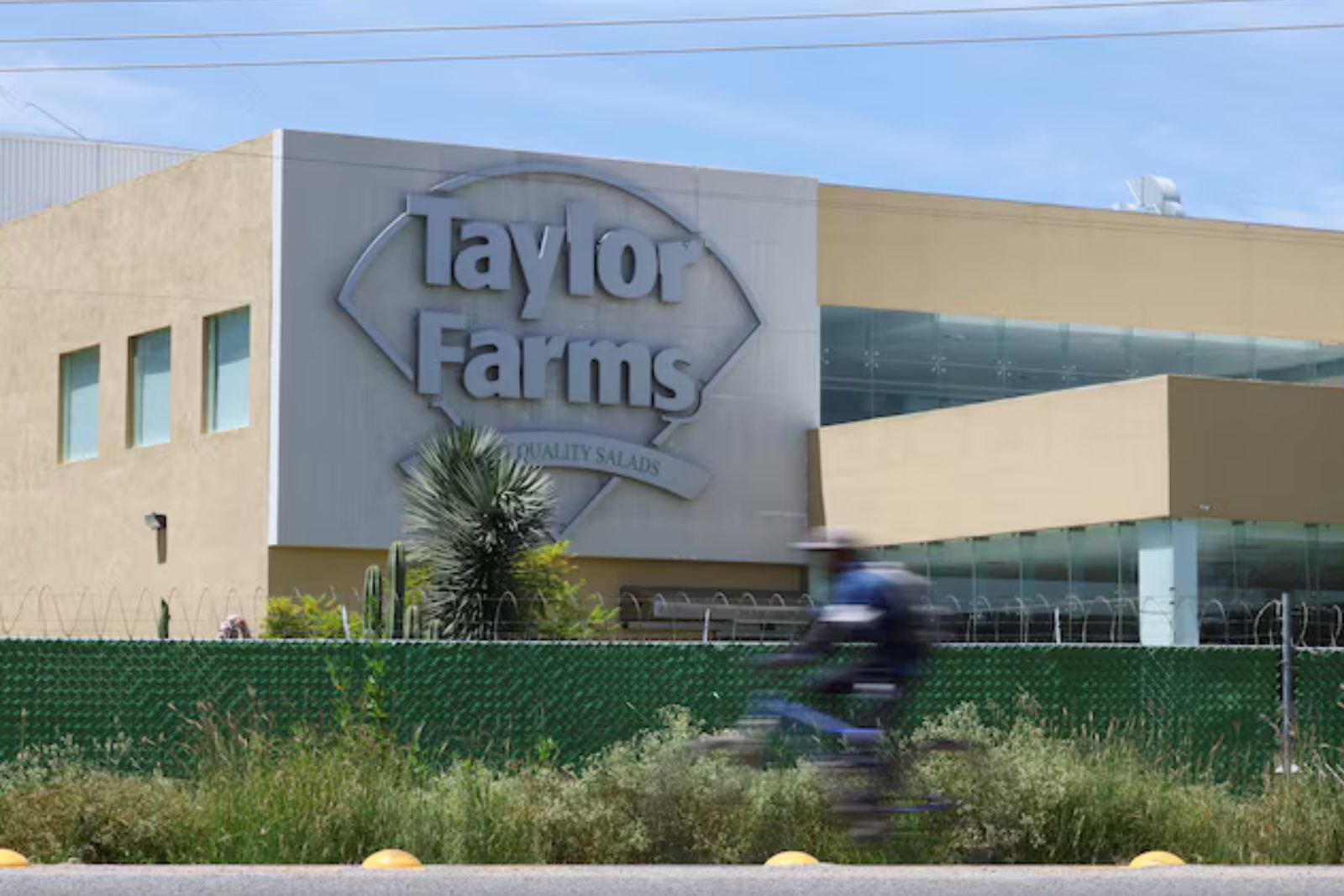
Taylor Fresh Foods announced the recall on August 9, listing finished goods made with the tainted peppers. The list runs from Hannaford diced jalapeños to a Trader Joe’s shrimp salad, Kroger pimento cheese dip and Whole Foods salsa verde. Affected items carry best-if-used-by dates stretching to August 16 and were shipped to distribution centers in 26 states, concentrated across the South, Midwest and Northeast.
Walmart, Target, Whole Foods, Kroger and Trader Joe’s all carried at least one flagged product. The company says it is not aware of any illnesses tied specifically to its finished goods, distinguishing its exposure from the broader outbreak still under federal investigation.
A single Sinaloa grower sits at the center of the outbreak
The peppers trace to one farm in Sinaloa, Mexico, supplying Coast Citrus Distributors, a California import firm. FDA traceback investigators identified the grower after interviewing patients about where they ate before falling ill, then matched that data against supply records reaching back to individual lots.
Coast Citrus does not sell directly to grocery stores, according to the FDA, distributing instead to restaurants, wholesalers and food service companies nationwide. That distribution pattern explains why Taylor’s recall touches prepared foods and deli items rather than raw peppers sold loose in produce aisles. The company has stopped importing from the implicated grower and is filling orders elsewhere.
Case counts already exceed 300 people across two dozen states
CDC and FDA data confirmed 345 illnesses across 27 states as of August 5, with 36 hospitalizations and no deaths reported. Illness onset dates run from June 19 through July 20, meaning the outbreak had circulated for weeks before regulators traced it to a single source.
Genetic sequencing on patient samples turned up something regulators flagged separately: two cases carry resistance profiles that could limit treatment options in a severe infection, even though most strains involved respond to standard antibiotics. The median patient age was 30, with cases ranging from infants to people in their eighties.
Mexican restaurant chains accounted for the overwhelming share of cases
Investigators interviewed 191 sickened people, and 93% said they had eaten at a Mexican-style restaurant before symptoms began. Chipotle and QDOBA both received jalapeños imported from the Sinaloa grower through Coast Citrus, putting two of the largest fast-casual chains in the country at the center of the traceback.
Chipotle said its ingredient tracking let it identify jalapeños from a specific grower and lot, pulling them from affected locations by July 20. QDOBA removed jalapeños from its menu chainwide on July 28, ahead of the outbreak’s public announcement. The FDA said it does not consider there to be a current ongoing risk from these establishments, citing both chains’ early supplier switches.
Wall Street sees a longer shadow over the Taylor Farms name
Unlike the restaurant chains, Taylor Farms carries a consumer-facing brand that shoppers can actively avoid, a distinction analysts say matters more than the recall’s technical scope. Joe Feldman, senior managing director at Telsey Advisory Group, said consumers are likely to avoid all Taylor Farms products for a while.
That caution shows up in the sales data already. NielsenIQ figures found U.S. fresh iceberg lettuce unit sales fell 15.3% in the four weeks ending July 25. That followed an 11.1% decline the previous month. Feldman attributed the slide to lingering unease from the earlier cyclospora scare, rather than the jalapeño recall alone.
The jalapeño recall lands weeks after a cyclospora scare hit lettuce
Taylor had already suspended iceberg lettuce sourcing from central Mexico. The FDA had linked a large cyclosporiasis outbreak to shredded lettuce from a processing facility in Guanajuato. The outbreak was among the larger foodborne illness events tracked in the U.S. in recent years. As of early August, regulators had not confirmed positive Cyclospora samples on Taylor’s lettuce itself.
Two unrelated pathogens hitting two unrelated crops within the same season create a harder problem than either recall alone. Because much of Taylor’s produce moves through restaurants and food-service channels unbranded, shoppers cannot always avoid the company even if they try. Industry analysts say that dynamic can dampen demand for fresh produce broadly rather than hurt Taylor specifically.
Consumers holding recalled products should discard them immediately
Anyone with an affected item should throw it away rather than attempt to salvage or cook out the contamination, per Taylor Fresh Foods’ guidance. Refunds are available at the original point of purchase, and the company has set up a customer care line for questions, staffed weekdays.
Salmonella symptoms typically begin six hours to six days after exposure. They can include diarrhea, fever and stomach cramps, according to CDC guidance. Severe cases can lead to bloodstream infections, particularly in young children, older adults and people with weakened immune systems. Anyone experiencing a high fever, prolonged vomiting or signs of dehydration after eating a recalled product should contact a healthcare provider rather than wait out the symptoms at home.
The FDA said it is still working to determine whether the recalled jalapeños reached any grocery stores directly, leaving open the possibility of additional recalls beyond the 19 products already named.