Buying meat in bulk can save money, especially when grocery prices stretch household budgets. You find a good deal on chicken, ground beef, or pork chops, bring everything home, and place the packages directly into the freezer. It seems like the easiest way to keep meat fresh until you need it.
However, that familiar supermarket packaging may not protect meat well enough for long-term storage. The U.S. Department of Agriculture (USDA) recommends adding another layer of freezer-safe wrapping when you plan to store meat for more than a month or two. The reason has less to do with food safety and more to do with preserving your groceries’ quality.
USDA Says Supermarket Packaging Is Safe, but There Is a Catch
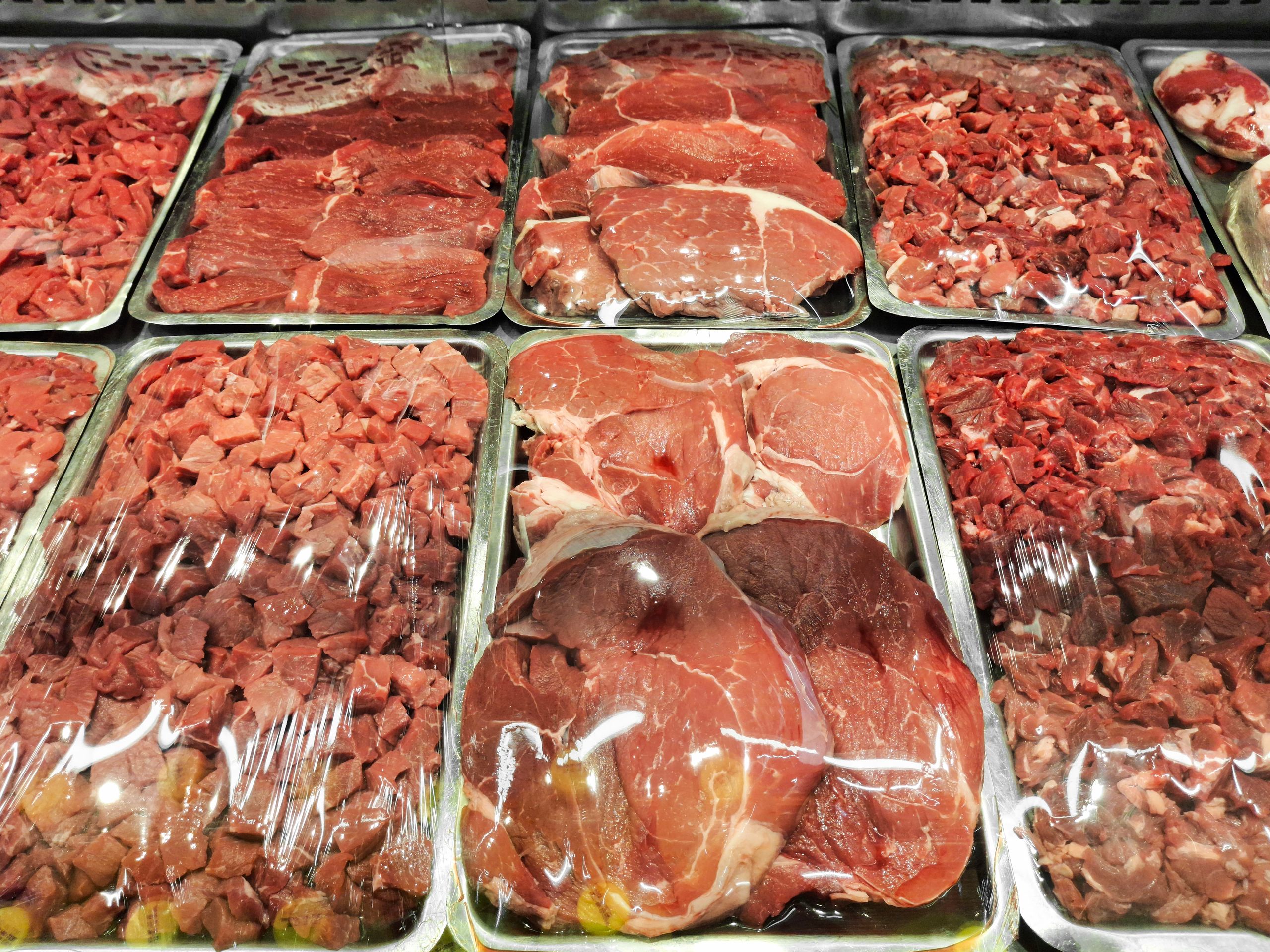
The USDA’s Food Safety and Inspection Service confirms that you can put meat and poultry directly into the freezer in their original supermarket packaging. There is no requirement to remove the plastic wrap before freezing.
However, the agency explains that standard store wrapping lets some air through. Over time, that exposure can affect the appearance, texture, and flavor of frozen meat.
Consumers should use airtight, heavy-duty foil or freezer wrap unless they expect to use the meat within one or two months.
That means the package of chicken breasts you plan to cook next weekend can stay in its original wrapping. The family-size pack of pork chops you purchased for meals several months away deserves extra protection.
Related Post:Freezer Myths Food Experts Wish You Would Stop Believing
Why Ordinary Grocery Store Plastic Is Not Enough
Supermarket meat packaging serves several purposes. It holds the product together, lets customers see what they are buying, and helps contain juices during handling.
But the thin plastic film commonly stretched over foam trays isn’t designed to provide the same long-term protection as freezer-specific materials.
The USDA explains that this type of plastic is permeable to air. Even when the package looks tightly sealed, air exposure can gradually affect the frozen product.
Moisture can escape from the meat’s surface, leaving areas dry and discolored. The longer the meat remains in storage, the more noticeable these quality problems may become.
Adding a second protective layer helps reduce air exposure. This relatively inexpensive step can make a difference when you finally prepare that frozen steak or chicken dinner.
Freezer Burn Is the Problem You Want to Avoid
Have you ever opened a package of frozen chicken and noticed pale, dry patches? Perhaps a steak developed grayish-brown areas after sitting in the freezer for months.
Those changes may signal freezer burn.
According to the USDA, freezer burn happens when air reaches frozen food and causes it to lose moisture on the surface. The affected areas can become dry, tough, and less appealing.
Fortunately, freezer burn does not automatically make meat unsafe to eat. It mainly affects quality, especially texture and flavor.
Freezer-burned areas can be trimmed away before or after cooking.
However, severe freezer burn may leave so much of the meat dry and unpleasant that throwing it away becomes the more practical choice. Better packaging helps prevent that disappointment.
The Best Materials for Wrapping Meat Before Freezing
Protecting frozen meat doesn’t require expensive equipment or complicated prep. Several common kitchen storage products work well when used properly.
The USDA identifies heavy-duty aluminum foil, freezer paper, freezer-weight plastic bags, and heavy plastic wrap as suitable options.
For an unopened supermarket package, you can leave the original wrapping in place and add a snug outer layer of heavy-duty foil or freezer wrap.
Another convenient option is to place the entire package in a freezer bag. Remove as much excess air as practical before sealing it.
If you purchased a large family pack, consider dividing the meat into smaller meal-sized portions. Wrap each portion securely and place it in a freezer-safe bag or container.
This approach helps you avoid thawing more meat than you need for a single meal.
How Long Can Different Types of Meat Stay in the Freezer?
Extra wrapping helps preserve quality, but different cuts of meat have different recommended freezer storage periods.
These time frames reflect quality, not an automatic safety deadline.
Food kept continuously frozen at 0 degrees Fahrenheit or below can remain safe indefinitely. Still, its flavor and texture may decline during extended storage.
Proper wrapping helps meat maintain its quality closer to the recommended storage periods.
Vacuum-Sealed Meat Is an Important Exception
Not every meat package sold at the supermarket is packaged the same way.
Some products come vacuum-sealed in thick plastic, with most of the air removed before the package is closed.
The USDA says you can freeze unopened vacuum packages as-is. They don’t automatically need the extra wrapping recommended for conventional supermarket trays.
This distinction matters when shopping at warehouse clubs or purchasing larger cuts of meat.
Before adding more packaging, check whether the product is already vacuum-sealed and whether its original packaging is suitable for freezing.
For ordinary foam trays covered with thin plastic, extra protection is still a sensible choice for longer storage.
Labeling Meat Can Prevent Another Common Freezer Problem
Even perfectly wrapped meat can become frustrating when you forget what is inside the package.
A tightly wrapped bundle of frozen chicken may look remarkably similar to pork or beef after several weeks.
Before putting meat in the freezer, write the meat type and freezing date on the outside of the packaging.
You can also include the portion size, especially when separating large purchases into smaller packages.
For example, a label reading “Ground Beef, 1 Pound, October 18” makes planning dinner much easier than opening an unidentified frozen package.
Arranging older packages toward the front of the freezer can also encourage you to use them before newer purchases.
This simple organization habit helps you follow recommended quality storage periods and reduces the chance of forgotten food.
What If You Already Froze Meat Without Extra Wrapping?
If your freezer contains several packages of meat wrapped only in supermarket plastic, you don’t need to assume they have gone bad.
The USDA confirms that freezing meat in its original wrapping is safe. The main concern is the gradual decline in quality from exposure to air.
If the packages have been stored only briefly, you can add suitable freezer wrapping now.
The agency also explains that a package accidentally torn or opened in the freezer does not automatically make the food unsafe. You can rewrap it to protect against further quality loss.
If the meat has developed freezer burn, check how dry it is when you prepare it.
You may be able to trim those portions away and use the remaining meat. However, extensive freezer burn can make the final dish less enjoyable.
Freezer Temperature Matters as Much as Packaging
Good wrapping is only one part of proper freezer storage.
The USDA recommends maintaining a freezer temperature of 0 degrees Fahrenheit, or about minus 18 degrees Celsius.
At this temperature, continuously frozen meat can remain safe for an extended period, although its quality may gradually decline.
A freezer thermometer can help you verify the temperature rather than relying only on the appliance’s settings.
Also, freeze meat promptly after purchasing it. Refrigerate raw ground meat and fresh poultry for no more than one or two days before cooking or freezing.
Fresh steaks, chops, and roasts generally have a refrigerated storage window of three to five days.
Following these guidelines helps protect your groceries before they even enter long-term freezer storage.
A Small Change That Can Help Protect Your Grocery Budget
Freezing meat is one of the most practical ways to take advantage of supermarket sales and plan meals.
However, that convenience works best when the food still tastes good months later.
The USDA’s recommendation is straightforward: original supermarket wrapping is fine for short-term freezing, but meat stored beyond one or two months should get additional airtight protection.
You do not necessarily need a vacuum sealer or a collection of expensive containers. Heavy-duty foil, suitable freezer wrap, or freezer bags can provide the extra barrier ordinary store plastic lacks.
The next time you bring home a large package of chicken, pork, or beef, consider how soon you plan to cook it.
A few extra minutes spent wrapping, labeling, and organizing your purchase could help preserve its quality and make future dinners easier.
That small habit may be the difference between enjoying the bargain you purchased and discovering a freezer-burned disappointment months later.
Posts You Might Like:
6 Meats That Are Now Illegal to Eat in the United States