Buying a used car can feel like a victory until hidden issues turn the dream into a nightmare. Many Americans overlook warning signs that could save them from costly repairs and hazardous surprises. Understanding the 9 alarming used car red flags buyers often miss until it is too late is crucial for making a smart choice and protecting your wallet.
From deceptive appearances to mechanical dangers, failing to spot these issues can lead to regret. Each red flag carries its own set of risks and costs, making vigilance essential. By knowing what to look for, buyers can confidently navigate the used car market without falling into traps.
Suspicious Vehicle History

A car that looks flawless on the outside may hide a history of accidents or floods. Inspecting the vehicle history can reveal crashes, title problems, or odometer tampering that affect value and safety. Many buyers skip this step, unaware that it determines how reliable the car will be in the long run.
Dealers and private sellers sometimes gloss over accidents or frame repairs as minor fixes. A vehicle with hidden damage can quickly develop structural or mechanical failures. Checking the full record ensures you avoid cars with hazardous pasts.
Insurance claims and service records tell a story beyond what the car shows. Buyers should request reports from official sources before committing to any purchase. Skipping this verification leaves you vulnerable to unforeseen expenses.
Odd Engine Noises
Engines whisper problems if you know what to listen for. Knocking, hissing, or rattling sounds often indicate worn parts, overheating issues, or poor maintenance. Ignoring these noises can result in costly repairs or even dangerous breakdowns while on the road.
Many sellers downplay engine sounds, claiming they are normal quirks of older vehicles. A careful test drive can expose abnormalities and help you judge mechanical health. Paying attention to what the car is trying to tell you saves money and stress.
Regular maintenance history complements the auditory inspection. A car with ignored engine issues can hide severe internal damage. Knowing what to listen for makes buyers proactive instead of reactive.
Uneven Tire Wear
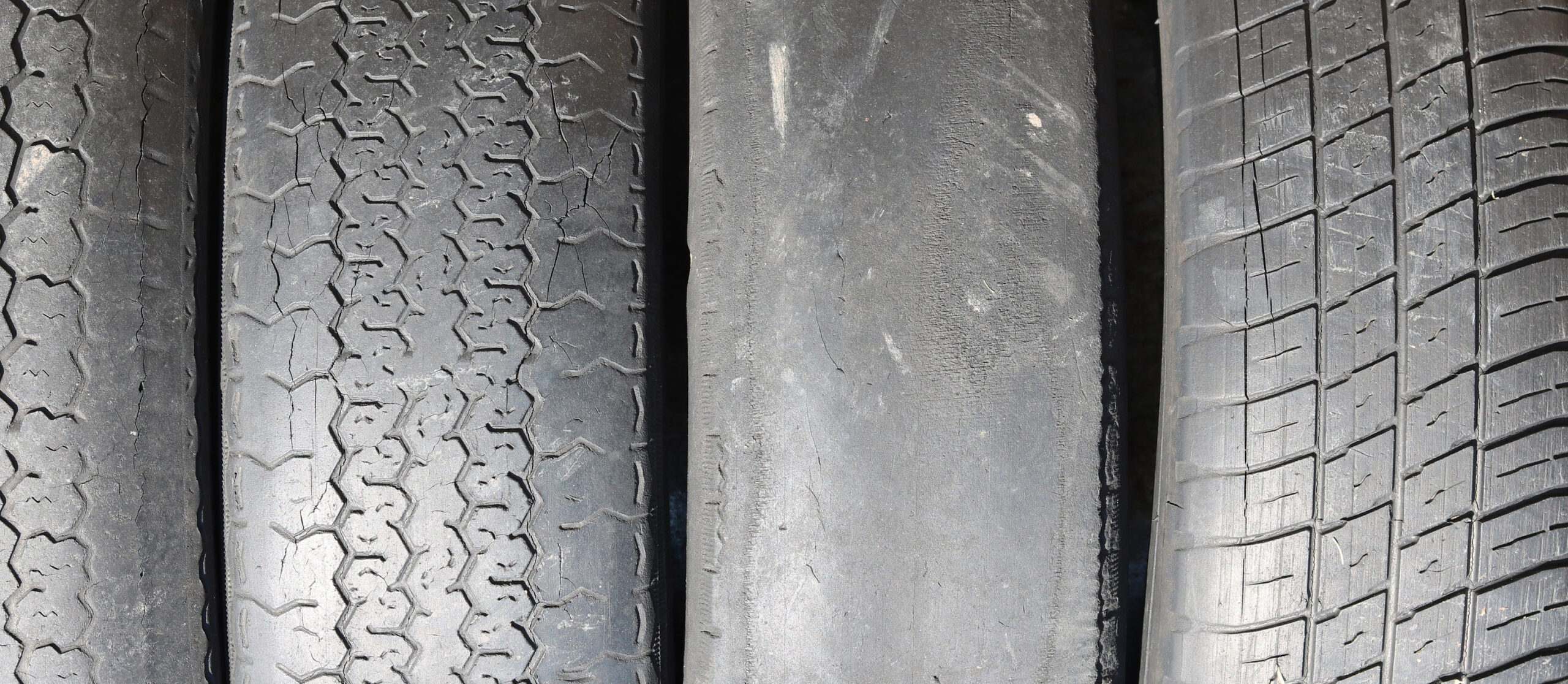
Tires wear unevenly for a reason, often signaling alignment or suspension problems. Drivers may ignore the pattern, thinking it is just cosmetic or minor. This oversight can lead to hazardous handling, reduced fuel efficiency, and expensive fixes.
Tire inspection is simple but revealing. Bald spots or unusual angles indicate previous accidents, misalignment, or poor maintenance. Skipping this check allows hidden problems to escalate after purchase.
Proper tire condition also affects braking performance and steering control. Even a visually clean tire may hide internal issues that increase the risk of an accident. Prioritizing tire inspection protects both your investment and safety.
Rust and Corrosion
Rust can appear subtle but cause structural weakness and aesthetic decline. It often hides in wheel wells, undercarriage, or near doors, away from casual inspection. Buyers frequently underestimate the damage, thinking surface rust is harmless.
Corrosion spreads over time and can affect critical parts, such as the frame or brake lines. Small rust spots today can require massive repairs tomorrow. Evaluating the full extent of rust prevents costly surprises and maintains vehicle longevity.
Environmental factors such as road salt or high humidity accelerate corrosion. Cars from coastal regions need extra scrutiny. Checking carefully ensures the body and frame remain solid and reliable.
Fluid Leaks
Fluids tell the car’s story if buyers know what to watch for. Oil, coolant, or brake fluid leaks indicate neglected maintenance, gasket failures, or worn seals. Missing these signs can escalate into engine damage, overheating, or brake failure.
Under the hood and on the ground, leaks often leave subtle stains. Sellers rarely point them out, hoping they go unnoticed. Spotting fluid leaks early protects buyers from hidden mechanical hazards.
Consistent checks during inspection reveal the car’s true condition. Fluid color and viscosity also signal underlying issues. A proactive approach ensures the vehicle will perform reliably.
Faulty Electronics

Modern cars rely heavily on electronics for safety and convenience. Malfunctioning windows, locks, or warning lights suggest deeper electrical problems. Ignoring these can lead to sudden failures and expensive repairs down the line.
Test every system during your inspection. Infotainment glitches, dashboard warnings, and inconsistent responses are serious red flags. Verifying proper operation avoids buying a car that becomes unreliable quickly.
Electrical faults often worsen over time, leading to cascading issues. They may affect ignition, transmission, or safety systems. Identifying them early gives buyers leverage to walk away.
Suspicious Odors
Smells can reveal hidden issues that visuals cannot. Mold, mildew, or chemical odors suggest water damage, smoking, or chemical spills. Ignoring them can lead to health hazards and additional cleaning costs.
A strong smell in a car’s interior often indicates neglect or flooding. Sellers may temporarily mask odors, but the problem persists. Evaluating the cabin environment is as important as inspecting mechanical parts.
Odors also affect resale value and comfort. Persistent smells signal deeper problems that need attention before purchase. Detecting them protects both your safety and enjoyment of the vehicle.
Poor Test Drive Performance
A car that struggles during a test drive usually has more than minor flaws. Hesitant acceleration, jerky braking, or strange vibrations reveal potential transmission or suspension issues. Skipping the test drive leaves buyers blind to serious driving hazards.
Driving the car in different conditions exposes handling problems and unusual responses. Sellers may attempt short, smooth routes to hide flaws. A thorough test drive confirms whether the car is safe and reliable.
Listening, feeling, and observing during the drive is essential. Many buyers focus only on looks or price. Prioritizing performance during the test drive uncovers red flags early.
Inconsistent Paperwork

Missing or inconsistent documents indicate bigger problems with ownership and legality. Title discrepancies, incomplete service records, or expired registrations signal risk. Ignoring paperwork increases the chances of buying a car with hidden liabilities or financial obligations.
A legitimate seller provides complete and accurate documents without hesitation. Cross-checking VIN numbers and service history ensures authenticity. Buyers who skip this step may face legal or financial headaches after purchase.
Paperwork also verifies accident history and recalls. Missing records hide past damages and unresolved issues. A careful review protects your investment and peace of mind.
Conclusion
Navigating the used car market requires sharp eyes, attentive ears, and careful evaluation. The 9 alarming used car red flags buyers often miss until it is too late are crucial checkpoints that protect safety, finances, and peace of mind. From engine noises to paperwork inconsistencies, spotting these hazards ensures you make informed decisions.
Being proactive prevents small problems from becoming major expenses. Each red flag represents an opportunity to ask questions, negotiate better, or walk away safely. By understanding these signs and inspecting thoroughly, buyers can confidently purchase a used car that delivers value, reliability, and lasting satisfaction.