There is always that one party food everyone seems excited about, even though half the guests barely touch it. You take a bite, smile politely, and say, “Wow, this is really good!” Then you spend the next few minutes figuring out where to put the rest.
From family gatherings and backyard cookouts to office parties and holiday celebrations, certain foods have earned a permanent place on American party tables. Some are genuinely popular, but others can be surprisingly divisive.
Of course, food preferences are personal, and plenty of people truly love everything on this list. Still, these 10 familiar party foods have flavors, textures, or presentations that might make some guests reach for a polite compliment instead of a second serving.
Deviled Eggs
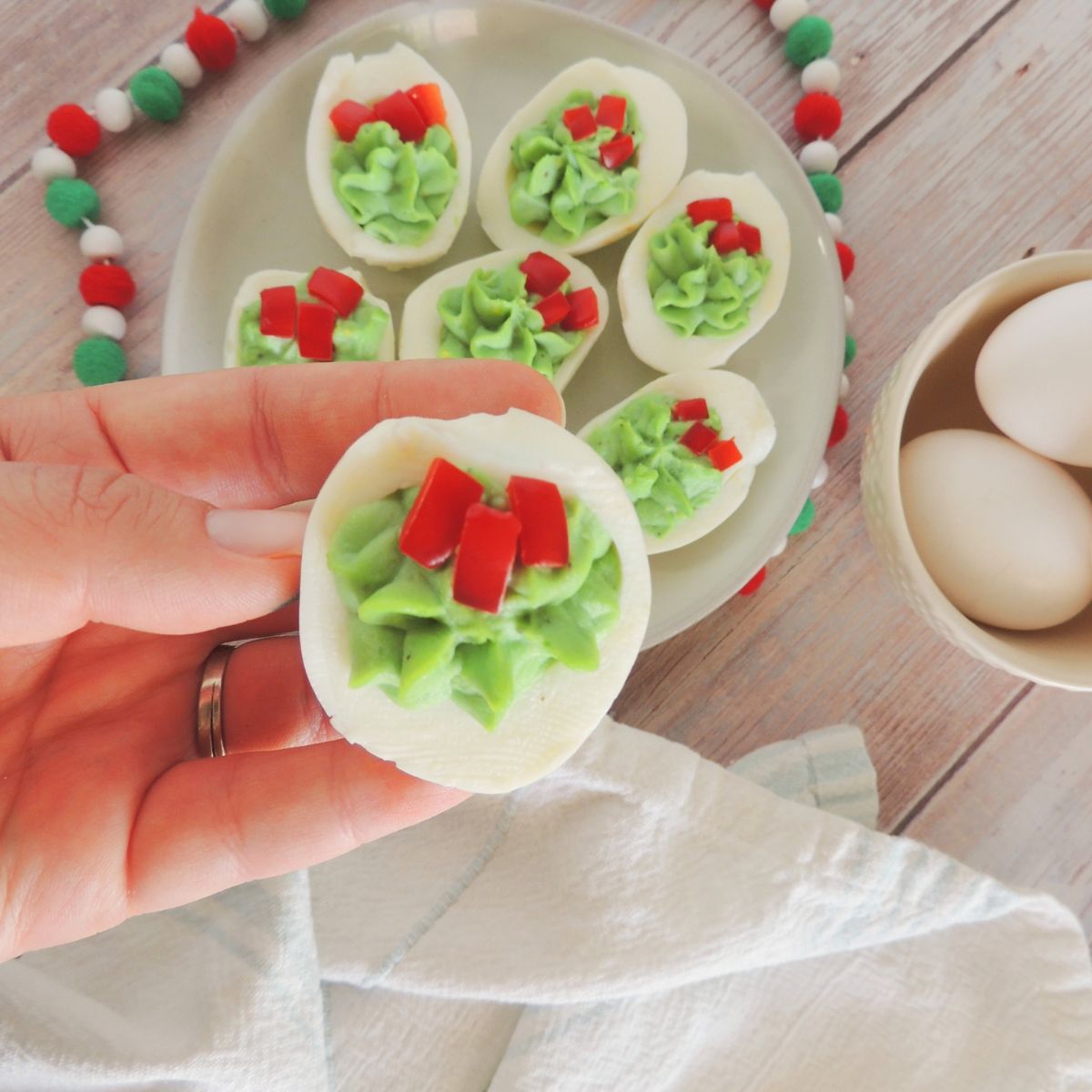
Deviled eggs are practically a requirement at Easter gatherings, summer cookouts, and family reunions. Their creamy yellow filling and sprinkle of paprika make them look like the perfect bite-sized appetizer.
But not everyone shares that enthusiasm.
For some guests, the combination of cold egg whites, mashed yolks, mayonnaise, and mustard is too much. The slippery texture of the whites can be especially unappealing, even when the filling is perfectly seasoned.
Then there is the unmistakable egg aroma that can become more noticeable when a platter sits out during a gathering.
Still, when someone proudly announces that they made their grandmother’s famous deviled eggs, declining one can feel like rejecting a treasured family tradition.
So you grab one, take a small bite, and politely compliment the recipe.
Coleslaw
Coleslaw appears alongside barbecue ribs, pulled pork sandwiches, fried chicken, and hamburgers. Its reputation as a classic American side dish is firmly established.
However, it can be surprisingly difficult to get right.
Some versions are swimming in mayonnaise, leaving the cabbage soggy and heavy. Others have so much vinegar that every bite tastes sharply sour. Adding sugar can create another problem for guests who prefer a less sweet side dish.
The biggest complaint often comes down to texture. Crisp, freshly prepared coleslaw can be enjoyable, but a watery bowl of limp cabbage rarely inspires excitement.
At a backyard barbecue, though, guests might still scoop a little onto their plates because it feels polite.
The funny part? That small serving sometimes remains untouched until the plate is thrown away.
Olives
A bowl of olives can make an ordinary snack table look sophisticated. Whether green, black, stuffed with pimentos, or served alongside cheese, olives often appear at cocktail parties and holiday gatherings.
But their bold flavor isn’t for everyone.
Green olives can taste intensely salty and bitter, while some darker varieties have an earthy flavor that takes getting used to. The soft, sometimes slippery texture creates another challenge.
Olives are also one of those foods that people seem expected to appreciate as their tastes become more adventurous.
Someone might casually add a few to their plate while everyone else enjoys them, only to discover that the flavor still hasn’t grown on them.
Fortunately, olives are easy to avoid without attracting much attention. Focus on the crackers and cheese instead.
Blue Cheese
Few party foods divide opinions as quickly as blue cheese.
For enthusiasts, its strong aroma, tangy flavor, and crumbly texture make it one of the most interesting additions to a cheese board. For everyone else, the experience can be overwhelming.
Blue cheese gets its distinctive appearance from edible Penicillium mold cultures used during production. Those blue-green veins contribute to the cheese’s characteristic flavor.
But understanding how it is made does not necessarily make someone enjoy eating it.
At wine-and-cheese parties, guests may feel pressure to appreciate the more unusual selections, particularly when the host presents them as something special.
A small piece on a cracker, followed by a thoughtful nod, can be enough to maintain the appearance of enthusiasm.
Meanwhile, the cheddar cubes may disappear much faster from that person’s plate.
Shrimp Cocktail
Shrimp cocktail has long been associated with celebrations, restaurant appetizers, and elegant gatherings.
A platter of chilled shrimp surrounding a bowl of bright red cocktail sauce certainly makes an impression.
However, some guests find the combination less appealing than its presentation suggests.
Cold shrimp have a firm, springy texture that can feel rubbery when overcooked. The cocktail sauce, usually made with ketchup or a tomato-based sauce and horseradish, adds a sharp kick that not everyone enjoys.
People who prefer warm seafood dishes may find cold shrimp especially difficult to appreciate.
Still, shrimp cocktail often carries an upscale reputation, which may encourage guests to try it.
One shrimp dipped generously in sauce might be enough to satisfy curiosity and avoid offending the host.
Potato Salad
Potato salad is a staple at Memorial Day gatherings, Fourth of July cookouts, and family picnics across America.
But the words “potato salad” can describe wildly different dishes.
Some families prefer a mustard-heavy version with chopped eggs and pickles. Others serve a sweeter recipe with mayonnaise and relish. Some add raw onions, celery, or generous amounts of black pepper.
The problem is that guests rarely know what they are getting until the first bite.
A potato salad that one family considers legendary might taste overly sweet, sour, or creamy to someone else.
Texture matters, too. Some people enjoy soft potatoes coated in dressing, while others dislike finding crunchy onions or celery in an otherwise creamy dish.
Because homemade potato salad can be a point of pride, guests may praise it even if it isn’t their favorite.
Stuffed Mushrooms
Stuffed mushrooms often look irresistible when they come out of the oven. Their golden toppings and savory fillings promise a delicious bite.
However, mushrooms have a texture that people tend to either love or strongly dislike.
Even when properly cooked, mushrooms can remain soft and slightly chewy. Combined with cream cheese, breadcrumbs, sausage, or other fillings, they can become a surprisingly rich appetizer.
For guests who already dislike mushrooms, hiding them beneath a flavorful topping rarely solves the problem.
Size is also an issue. A stuffed mushroom can look like a convenient one-bite appetizer but turn out to be too large to eat comfortably.
At dinner parties, people may compliment the beautiful presentation and quietly move on to something more familiar.
Spinach Artichoke Dip
Spinach artichoke dip is a regular feature at game-day gatherings, potlucks, and casual dinner parties.
When served hot with tortilla chips, bread, or crackers, it is often one of the first appetizers guests notice.
But not everyone enjoys its rich, creamy consistency.
Many recipes rely on cream cheese, sour cream, mayonnaise, and shredded cheese to create a thick dip. Add chopped spinach and artichoke hearts, and the result can feel surprisingly heavy.
Some guests also dislike artichokes’ fibrous texture or the occasional stringy piece of spinach.
The dip can become even less appealing once it cools and thickens.
Nevertheless, it is such a familiar party favorite that people may feel odd admitting they don’t enjoy it.
Instead, they take a chip, scoop up a tiny bit, and enthusiastically declare the dip delicious.
Ambrosia Salad
Ambrosia salad is a classic American dish that can instantly transport people back to family holidays and church potlucks.
Traditional versions commonly combine mandarin oranges, pineapple, coconut, miniature marshmallows, and a creamy dressing made with whipped topping, sour cream, or similar ingredients.
For people who grew up eating it, ambrosia salad may bring back wonderful childhood memories.
For others, the combination can seem confusing.
Is it a fruit salad? A dessert? A side dish?
The mixture of soft fruit, fluffy marshmallows, shredded coconut, and creamy dressing creates a texture unlike most other party foods.
Its sweetness can also be overwhelming, especially next to savory dishes.
Yet refusing a spoonful of a beloved family recipe can feel unnecessarily rude.
So some guests accept a serving, smile, and quietly return to the dishes they actually enjoy.
Fruitcake

Fruitcake might be one of America’s most famously controversial holiday foods.
Despite its long history as a festive treat, the dense combination of dried fruit, candied peel, nuts, and spices has inspired countless jokes.
Some versions are moist and flavorful, especially when prepared with carefully balanced ingredients. Others can be extremely dense, sticky, and intensely sweet.
The brightly colored candied fruit is another sticking point. For some people, its chewy texture and concentrated sweetness make every bite a challenge.
Yet fruitcake often arrives as a thoughtful homemade gift or treasured family recipe.
When someone spends hours baking a traditional holiday cake, admitting that you dislike it can feel awkward.
So guests may accept a small slice, offer a warm compliment, and hope dessert includes cookies or brownies, too.
Why Do People Pretend to Enjoy Party Foods?
Party food is about more than flavor. It often carries memories, family traditions, and the effort of the person who made it.
When someone proudly serves a homemade dish, guests may feel that criticizing the food also means criticizing the person who prepared it.
Social pressure also plays a role. If everyone around the table praises a particular appetizer, admitting you dislike it can feel uncomfortable.
There is nothing wrong with enjoying unconventional foods, and nothing wrong with disliking popular ones.
The key difference is between being polite and forcing yourself to eat something you genuinely don’t enjoy.
A simple “No, thank you” is usually enough.
The Bottom Line
From deviled eggs and coleslaw to fruitcake and ambrosia salad, America’s party tables are filled with foods that inspire strong opinions.
Some guests genuinely love these classics, while others may eat them mainly because they are familiar, traditional, or lovingly prepared by someone they know.
That is part of what makes American food culture interesting. The same dish that reminds one person of happy childhood celebrations might leave another searching for a glass of water.
At the next party, remember that the guest who says, “This is amazing!” might just be trying to be polite.
Which of these 10 party foods do you secretly dislike, even though everyone around you seems to love it?