The WNBA is facing a controversy unlike anything in its history after two former NBA players announced plans to enter the 2027 WNBA Draft, forcing the league to confront questions about eligibility rules, player standards and how those rules are applied in a changing sports landscape.
The announcements from Enes Kanter Freedom and Royce White have sparked a national conversation about the future of women’s basketball and the rules that determine who can compete. The situation has created a rare moment where a professional sports league must explain how its policies work under intense public attention.
The biggest question is not whether the two former NBA players want to join the league, but whether they can actually qualify.
A draft announcement alone does not guarantee a place in the WNBA. Like every professional sports organization, the league has specific requirements that determine who can enter the draft process. Until the WNBA reviews and confirms eligibility, both announcements remain public declarations rather than official draft positions.
Former NBA Players Turn WNBA Eligibility into a National Conversation
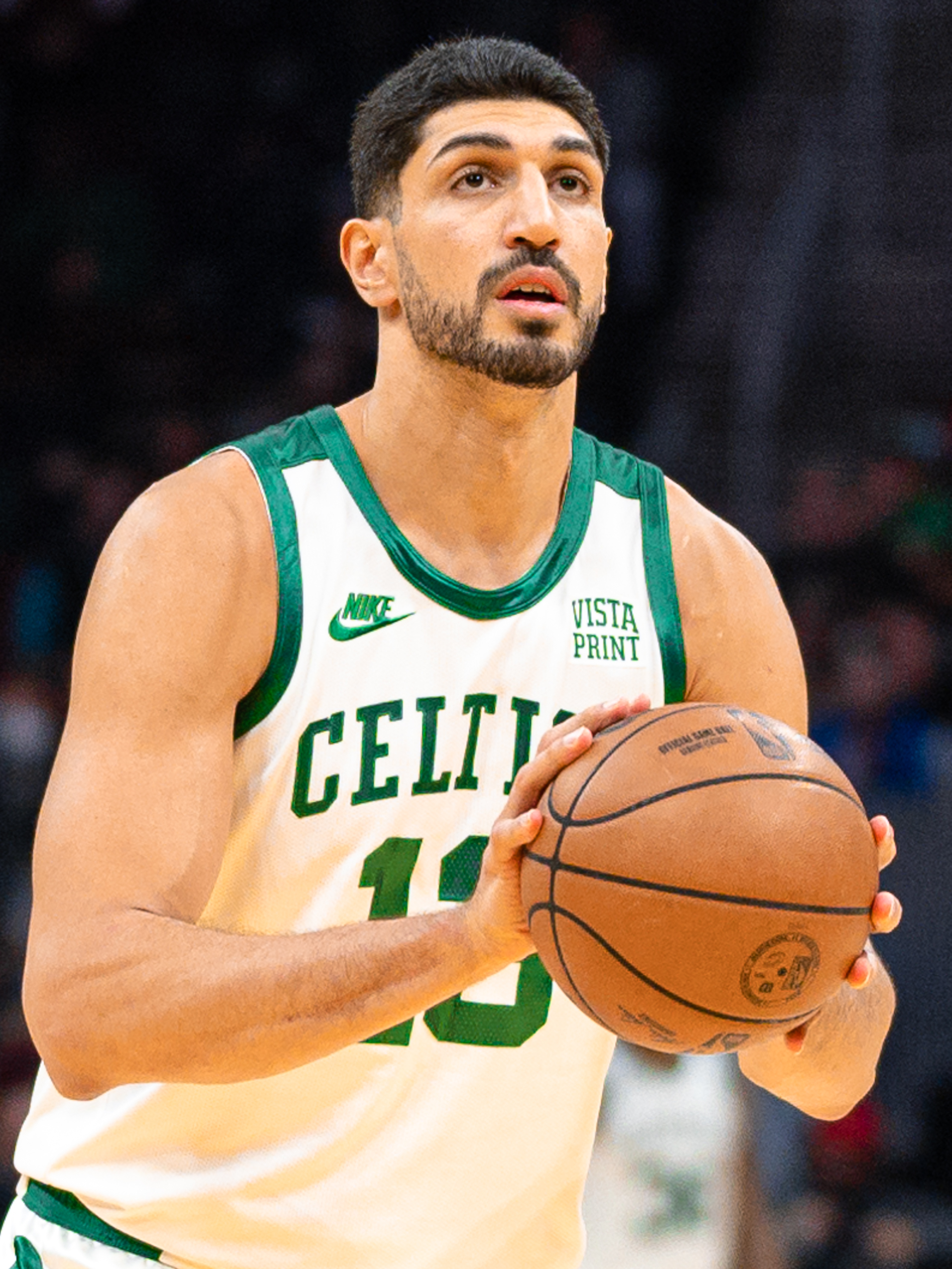
Erik Drost, CC BY 2.0, via Wikimedia Commons
The controversy began when Enes Kanter Freedom announced his intention to enter the 2027 WNBA Draft. The former NBA center described the move as a challenge to the league’s approach toward eligibility and gender policy. His announcement quickly spread across sports and political discussions, bringing new attention to the WNBA.
Freedom spent 11 seasons in the NBA after being selected third overall in the 2011 NBA Draft. He played for several teams during his career and became known both for his basketball career and his public activism outside the sport. His decision to target the WNBA created a situation rarely seen in professional athletics.
Shortly after Freedom’s announcement, Royce White announced that he also planned to enter the 2027 WNBA Draft. White was selected 16th overall by the Houston Rockets in the 2012 NBA Draft after a standout college career at Iowa State. His announcement added another layer to an already heated debate about the league’s eligibility standards.
The Difference Between Declaring and Being Eligible
The central issue in the controversy is the difference between announcing an intention to enter a draft and being approved as a draft eligible player. Professional sports leagues do not determine eligibility based only on public statements. Athletes must meet established requirements and complete the official process before becoming recognized as draft candidates.
The WNBA’s current collective bargaining agreement states that only women are eligible to play in the league. The agreement also includes additional requirements involving age, college status, and other draft qualifications. However, the publicly available language does not explain every possible situation that could arise involving eligibility questions.
That lack of detailed explanation has created the current debate. The WNBA is now facing pressure to explain how it interprets its own rules when confronted with an unusual situation. The challenge is not only deciding an outcome, but making sure the process is clear and consistent.
What the WNBA Rulebook Says About Eligibility
The WNBA and the Women’s National Basketball Players Association reached a new collective bargaining agreement that outlines rules covering player rights, contracts and competition. One section addresses who can participate in the league and establishes that only women are eligible. Additional requirements explain age and draft related qualifications.
The wording has received increased attention because fans and analysts are asking how the league would apply those rules in a situation like this. The agreement provides a foundation for eligibility decisions but does not publicly detail every possible scenario. That has created questions about how future cases would be handled.
Sports organizations around the world have faced similar debates involving athlete eligibility. Different governing bodies have created different policies based on their own competitive goals and legal environments. The WNBA now finds itself dealing with a discussion that has affected many sports organizations globally.
Why This Is Not a Normal Basketball Story
Most sports controversies involve performance, injuries, contracts, or competition results. This situation is different because the debate centers on the rules themselves rather than what happens on the court. The announcements from Freedom and White have turned a policy question into one of the biggest discussions surrounding the league.
Neither player has joined a WNBA team, signed a contract or appeared in the draft process. Instead, their announcements have created a challenge that asks the league to explain how its eligibility standards work. That makes this a policy issue as much as a basketball story.
The WNBA must consider several factors as it responds. The league must apply its rules consistently while also explaining its decision to players, fans and the wider public. In a period of increased attention for women’s sports, every major decision carries greater visibility.
The Controversy Arrives During a Growth Period for the WNBA
The debate comes at a time when the WNBA is experiencing one of the most visible periods in its history. Growing television audiences, increased sponsorship interest and rising fan engagement have brought new attention to women’s basketball. The league has become a major part of broader sports conversation.
That increased popularity also means every decision receives more scrutiny. Issues that might once have stayed within league offices can now become national discussions within hours. The WNBA’s response will likely be watched by fans far beyond the basketball community.
For the league, the challenge is not only about one eligibility question. It is about demonstrating that its rules are understandable and consistently applied. The way officials communicate their decision may become just as important as the decision itself.
The Role of Collective Bargaining in the Debate
The WNBA operates under a collective bargaining agreement between the league and the players’ association. This means major changes involving player eligibility could involve discussions between both sides. Professional sports organizations often cannot change competition rules without considering labor agreements and legal concerns.
If the league determines that additional guidance is needed, creating new standards may require careful review. Any future policy would need to address fairness, consistency, and the rights of athletes. The process could become more complicated than simply announcing a new rule.
This collective bargaining structure adds another layer to the controversy. The WNBA must consider not only public reaction but also its relationship with the players who compete in the league. Any major decision could shape how future eligibility questions are handled.
What Happens Next in the WNBA Draft Debate
The next step will likely involve the WNBA reviewing whether any formal application meets existing eligibility requirements. Until that process occurs, neither announcement represents confirmed participation in the draft. The league has not publicly confirmed either player as an eligible WNBA prospect.
If questions remain, officials may need to explain how they interpret the current rules. A clarification could provide guidance for future situations involving similar eligibility debates. The outcome could influence how professional sports organizations approach similar issues moving forward.
Why the WNBA’s Response Will Matter
This controversy is about more than two former NBA players. It represents a broader conversation about how professional sports leagues create and enforce rules in an era of increased public attention. Every major decision now faces immediate analysis from fans, athletes and commentators.
The WNBA has spent recent years building momentum and expanding its audience. With that growth comes the responsibility of handling difficult issues with clarity and consistency. The league’s response will likely shape public perception of its policies.
For now, the 2027 WNBA Draft controversy remains unresolved. Enes Kanter Freedom and Royce White have started a conversation that the league must now address. The next move belongs to the WNBA, and many across the sports world will be watching.