Words can appear harmless until suddenly, they are not. Throughout history, lives have ended over a careless joke, a simple name, a poem, or the smallest remark. In many societies, speaking one’s mind became a dangerous act. Authority would not tolerate opinions, errors, or humor. Ordinary speech became criminal. These stories highlight how terrifying the world can be when spoken words are treated as weapons.
These stories shock because the victims never sought upheaval. They simply spoke words that, to the wrong person, became intolerable. Their deaths show the immense power authority holds over daily conversation.
Rome’s Hidden Name Punished the Bold
Ancient Romans believed that revealing a sacred city’s hidden name might empower enemies or disrupt divine protection. Quintus Valerius Soranus reportedly uttered this forbidden word. His punishment was immediate and definitive: one life ended for a word now lost to memory. Even at the heart of an empire, a single utterance could carry fatal consequences.
Saying God’s Name Wrong in Ancient Israel
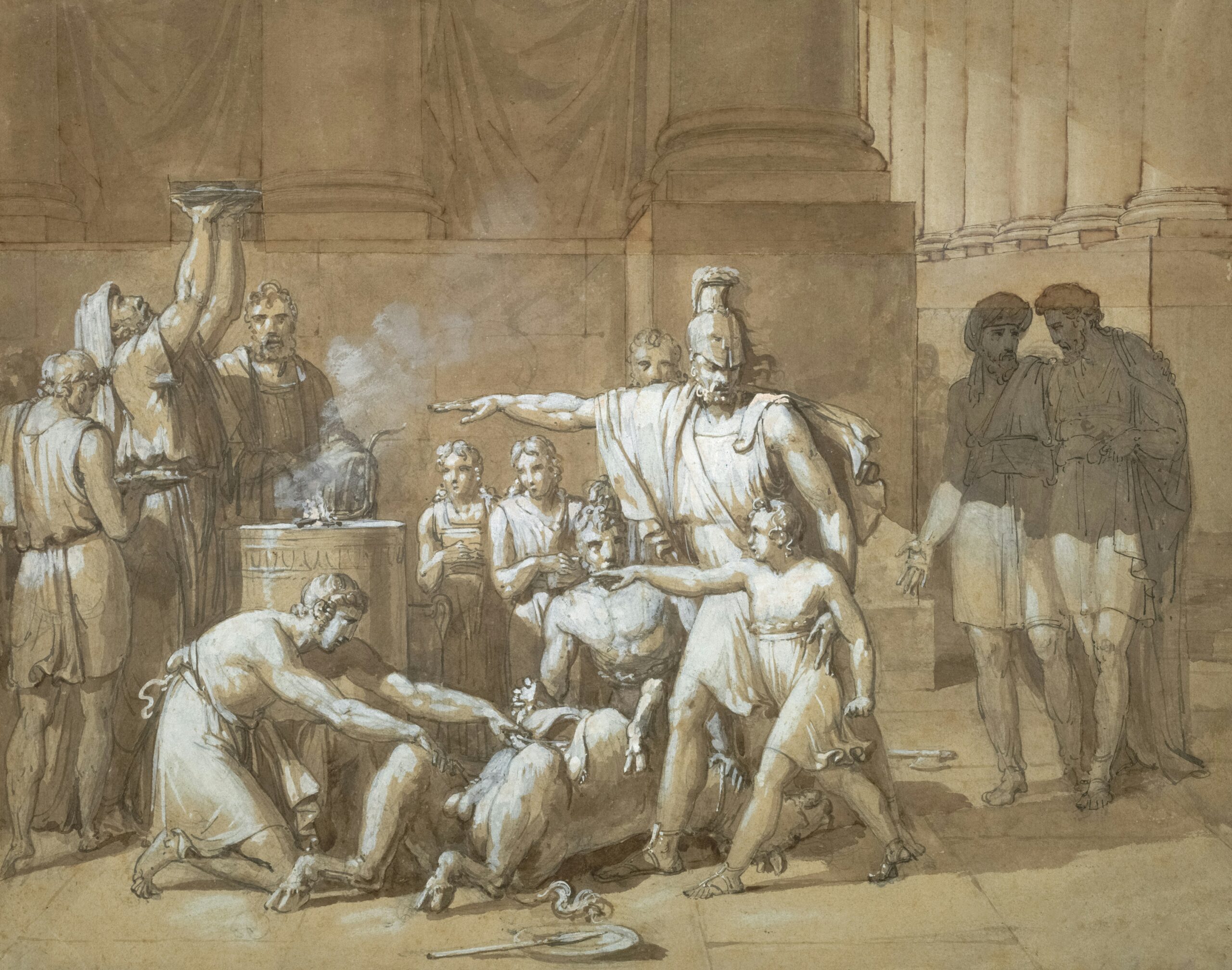
In early Jewish culture, uttering the name of God without care was viewed as blasphemy. The danger was not simply disrespect; it risked disturbing the spiritual balance. This name grew so sacred that even an unintentional mention could be a death sentence. Silence became the only way to protect lives, if only for a time.
A Chinese Scholar Killed by Ink
Wang Xihou, after years of scholarship, lost his life over a minor mistake. He printed characters linked to the emperor’s name without following the required protocols. Imperial authorities treated this as a grave crime. Years of painstaking work were erased by a few ink marks, demonstrating how even careful words could turn deadly.

Scottish Student Executed for Doubt
Thomas Aikenhead, just twenty, made critical remarks about religion in private. When reported, these words led to a charge of blasphemy. In 1697, he was hanged. His story shows the fatal risk in questioning authority, even silently. Curiosity became a punishable flaw.
Aztec Society Turned Words Into Crime
Aztec society treated disrespectful speech with suspicion. Noble youth received careful training in communication. An insult or a single careless phrase could invite severe punishment. Words maintained social order and spiritual harmony; slip-ups could unravel both.
England Burned a Man Who Wouldn’t Be Silent
Edward Wightman spoke against religious doctrine and was burned at the stake. After his first recantation, he affirmed his beliefs and faced a second burning. In this system, survival often meant silence, not belief.

Athens Condemned Questioning Minds
Socrates endured execution for his ideas questioning religious norms made him a target. Although Athens valued debate, skepticism toward the gods or authority could still be fatal. Even in a city renowned for discussion, intellectual curiosity brought grave risk.
North Korea Punishes Everyday Speech
Modern North Korea enforces deadly punishments for certain words, accents, or conversations. Speaking with a South Korean entertainer, or even using particular slang, can be seen as ideological betrayal. In such a system, free speech remains a dangerous prospect.
Soviet Poet Crushed for Private Verses
Osip Mandelstam composed a poem critical of Stalin and shared it with friend small act that drew deadly scrutiny. Arrested, exiled, and finally perishing in a transit camp, Mandelstam’s story shows how private words could pose the greatest threat under absolute power.
Teen Executed for Spreading Truth
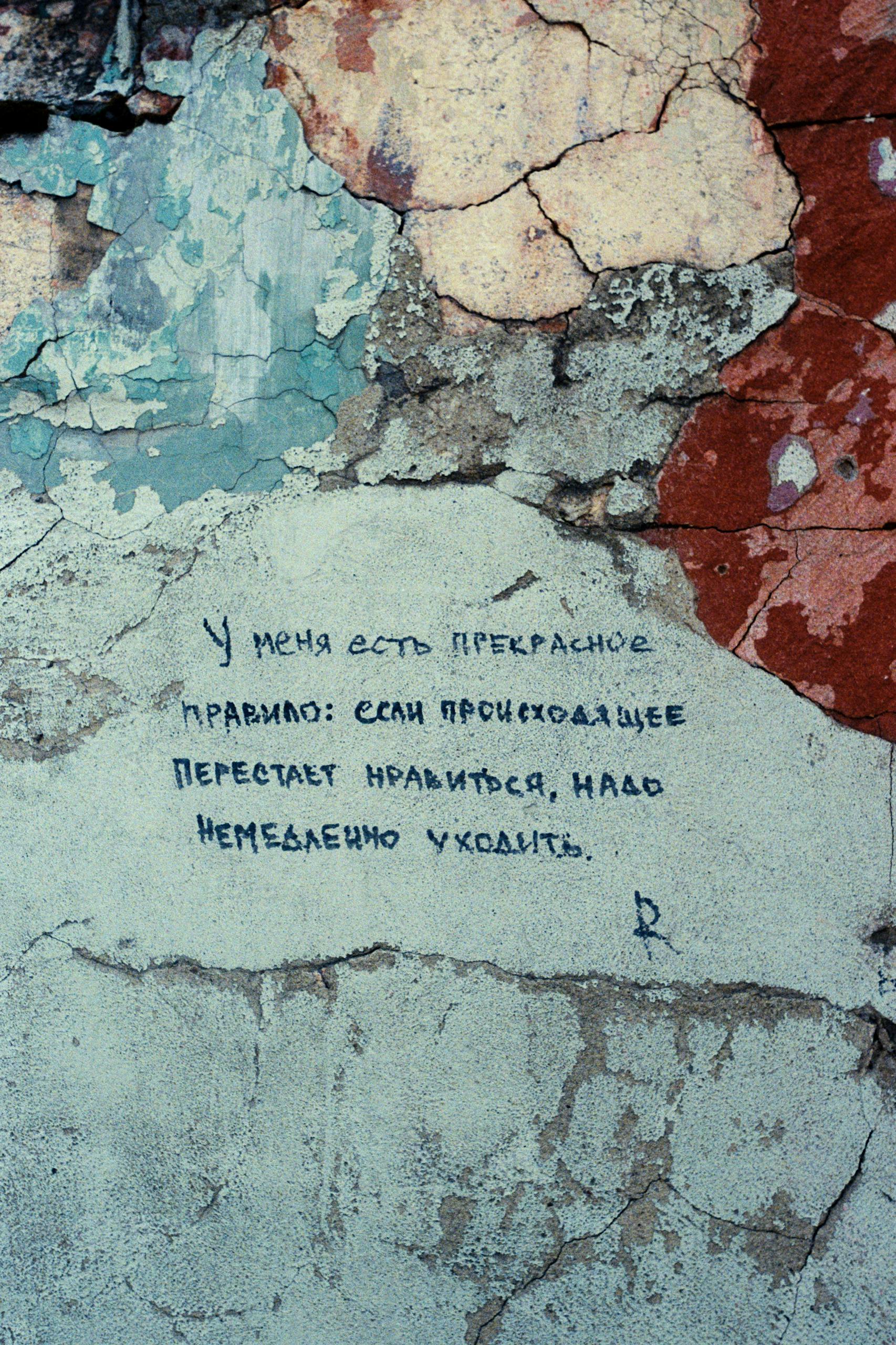
Helmuth Hübener, only seventeen, was executed by the Nazis for spreading information in the form of leaflets. His crime was not violence, but truth. Even a teenager’s voice could become fatal if it contradicted the regime.
Conclusion
History is filled with stories of people silenced for speaking, writing, or questioning. Jokes, poems, names, and facts all became weapons under the scrutiny of power. These stories warn that the freedom to express ideas is fragile. Words may become as deadly as swords when those in control decide they are dangerous. The first step to staying safe is to recognize the power and the peril of speech.