WASHINGTON, Aug. 4, 2026: SNAP enrollment fell to about 37 million people in April, a drop of 5.3 million from one year earlier. The decline accelerated as states began enforcing expanded federal work requirements.
The U.S. Agriculture Department counted 37,011,096 participants in April 2026. That was down from 42,357,046 in April 2025. Federal participation figures show the program also lost about 2.4 million participating households during that period.
The decrease followed the July 4, 2025, enactment of a sweeping Republican tax and spending law. That measure expanded work rules within the Supplemental Nutrition Assistance Program, commonly called SNAP or food stamps.
Federal officials have cautioned that no single policy explains every enrollment change. Income growth, employment, renewals, paperwork problems and state eligibility decisions can all affect participation.
Monthly losses accelerated
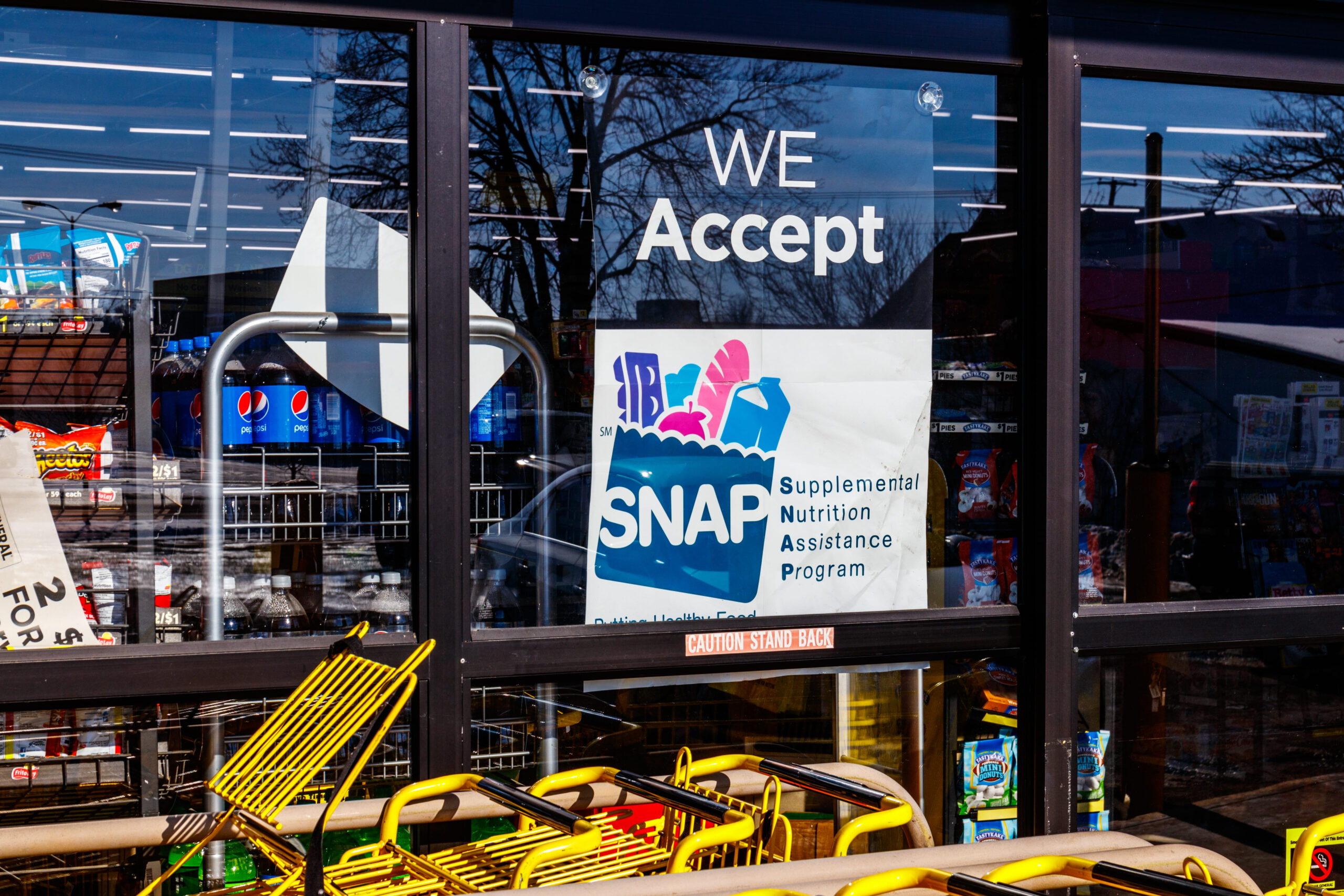
SNAP enrollment remained above 41 million through October 2025. It fell below 40 million in November and continued declining through April. The program lost about 4.1 million participants between October and April. That represents an average monthly decline of roughly 681,000 people.
Enrollment had already started falling before every state fully implemented the rules. States followed different timelines based on guidance, system changes and eligibility renewal schedules.
The number of SNAP households dropped from 22.5 million in April 2025 to about 20.2 million in April 2026. Monthly federal benefit costs fell by nearly $1 billion.
Average benefits per person barely changed. Recipients received an average of $186.87 in April, compared with $186.86 one year earlier. That means lower spending mainly reflected fewer recipients, not a large reduction in individual payments. The preliminary figures may still be revised.
Work rules reach new groups.
SNAP requires certain adults to complete at least 80 hours of work, training, or approved volunteer activity each month. People who fail to meet the requirement can receive benefits for only three months within 36 months.
The enacted law expanded the requirement to able-bodied adults through age 64. It also covers some parents and caregivers whose youngest dependent child is 14 or older. The law removed automatic exceptions for veterans and people experiencing homelessness. It also removed the exception for adults ages 18 to 24 who left foster care at 18.
Those individuals can still qualify for other exemptions. Pregnant women and people medically certified as unable to work remain exempt. Adults responsible for children under 14 are also excluded from the time limit. Certain American Indian and Alaska Native individuals received new protections under the law.
The changes create new reporting duties for many recipients. Covered adults must provide acceptable proof of employment, training, or volunteer hours.
A person may work enough hours but still lose benefits after missing a notice or filing deadline. Irregular schedules and changing employers can make verification more difficult. People experiencing homelessness may face additional barriers. They can struggle to receive mail, keep documents, or maintain telephone service while managing a SNAP case.
Waivers become harder to obtain
The law also restricted state waivers for areas with weak job markets. States can now generally seek waivers only for counties with unemployment above 10%. The previous system allowed waivers in areas without enough available jobs. That gave states greater flexibility in rural regions and communities with limited transportation.
Alaska and Hawaii operate under separate unemployment provisions. Their states can request relief when jobless rates meet specified thresholds. The narrower rules could affect areas where unemployment remains below 10%, but steady work is difficult to find. Seasonal jobs and short weekly schedules may not provide 80 hours each month.
Budget analysts expect further losses.
Federal budget projections estimate the work changes will reduce SNAP participation by roughly 2.4 million people per month from 2025 through 2034.
That estimate includes about 800,000 adults through age 64 without dependent children. It also includes roughly 300,000 adults living with children age 14 or older. Another 1 million people could be affected by tighter waiver rules. The forecast compares participation with levels expected without the new law.
It cannot be directly compared with the 5.3 million year-over-year decline. The federal participation count includes every reason a person may leave SNAP. The analysis also projected a net reduction of about 300,000 among veterans, homeless people and former foster youth. New exemptions for American Indians partly offset those losses.
States prepare for higher costs.
Starting in fiscal 2028, states with payment error rates of at least 6% must pay part of their SNAP benefit costs. The federal government previously covered the full cost of benefits.
States with error rates between 6% and 8% will pay 5%. States with error rates between 8% and 10% will pay 10%. States with error rates of 10% or higher can owe 15%. Error rates include overpayments and underpayments and do not automatically indicate fraud.
The cost-sharing policy could reduce federal spending by $41 billion from 2028 through 2034. About $35 billion would come from state governments paying benefit costs. States could respond by adding money to their budgets, tightening eligibility, or changing available benefits. Some may also reduce staffing or delay technology upgrades.
A nationwide agency survey found that 29% of responding states viewed narrower eligibility as a possible risk. Eleven percent identified withdrawing or pausing SNAP as a potential risk. More than half reported shifting resources toward payment accuracy. Forty percent had reduced their focus on delivering benefits on time.
The Agriculture Department’s latest national participation table covers April 2026. The department has not released final fiscal 2026 totals. States continue enforcing the expanded work rules while preparing for the 2028 cost shift. Future monthly data will show whether enrollment continues falling or begins to stabilize.