President Donald Trump has announced what he described as a historic breakthrough in the Gaza conflict, saying a newly reached agreement would require Hamas and other armed groups in the territory to completely disarm. The plan, which Trump said would unfold in stages, aims to reshape the future of Gaza through security guarantees, an Israeli military withdrawal and the creation of a new Palestinian governing structure.
The announcement marks one of the most significant diplomatic developments in the long-running conflict between Israel and Hamas. Trump said the agreement was reached through the Board of Peace, a diplomatic body involved in efforts to establish a framework for ending the fighting and preventing future attacks.
According to Trump, the central part of the agreement is the removal of Hamas’ military capabilities and the prevention of other armed factions from rebuilding their forces. He described the move as a necessary step toward creating lasting stability in the region.
“The threat that emerged from Gaza on October 7 will NOT be allowed to rebuild,” Trump said, emphasizing that the agreement was designed to prevent another major attack from being launched from the territory.
A phased plan focused on security and governance
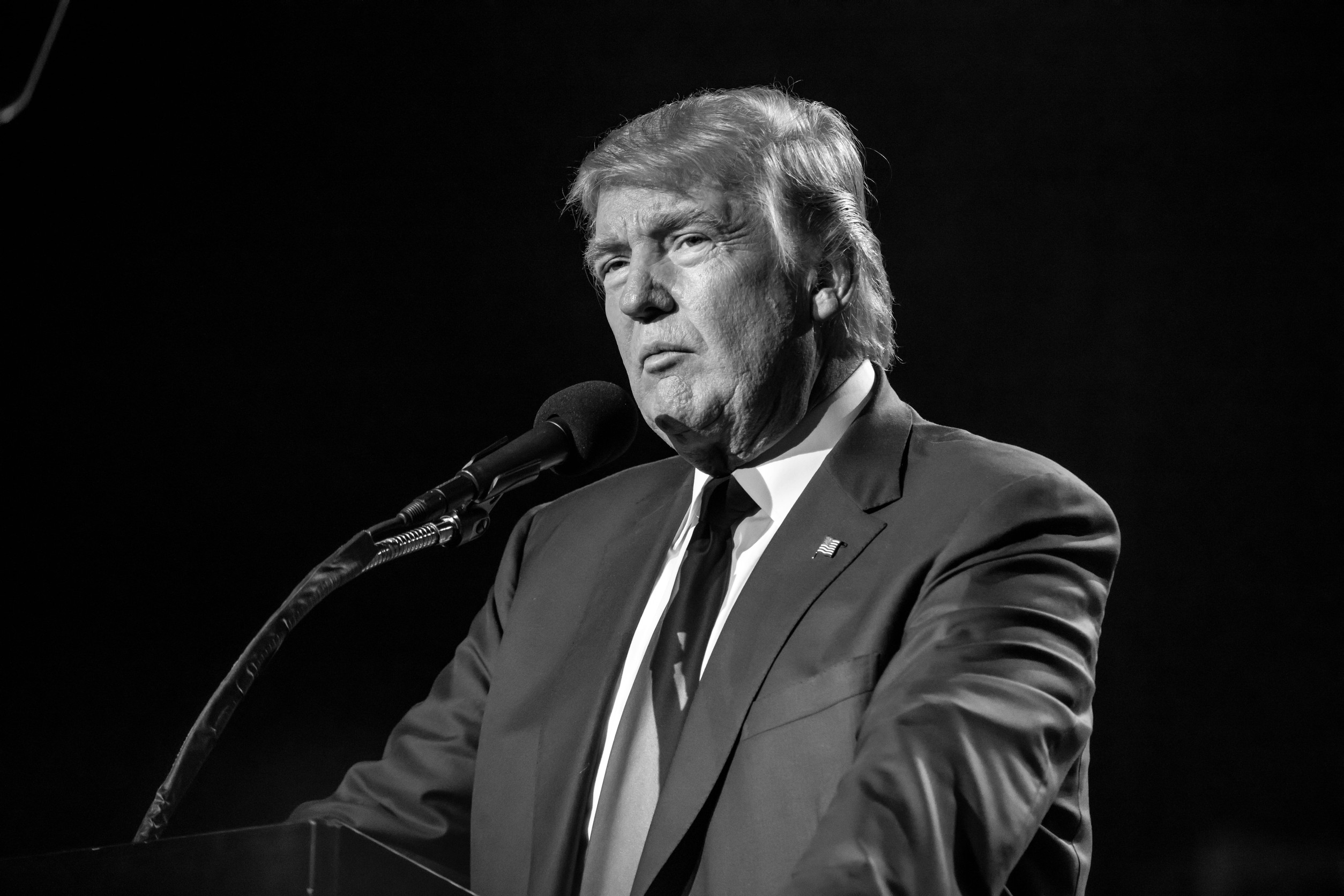
Trump said the agreement would not happen overnight but would instead be implemented through a series of phases. The first stage would involve Hamas beginning the process of disarming, followed by steps aimed at reducing military tensions and creating conditions for a broader political transition.
A key part of the proposal involves an eventual withdrawal of Israeli forces from Gaza. Trump said Israeli troops would leave as security conditions improve and as new arrangements are put in place to prevent armed groups from regaining control.
The plan also includes the formation of a new Palestinian government to oversee Gaza’s future administration. Supporters of the agreement argue that a new governing structure could help move the region away from years of conflict, while critics are expected to question how such a government would be formed and whether it could maintain control.
The future of Gaza’s leadership has remained one of the most difficult issues in peace negotiations. Hamas has controlled the territory since 2007, after winning legislative elections and later defeating rival Palestinian factions in violent clashes.
The October 7 attack remains at the center of negotiations
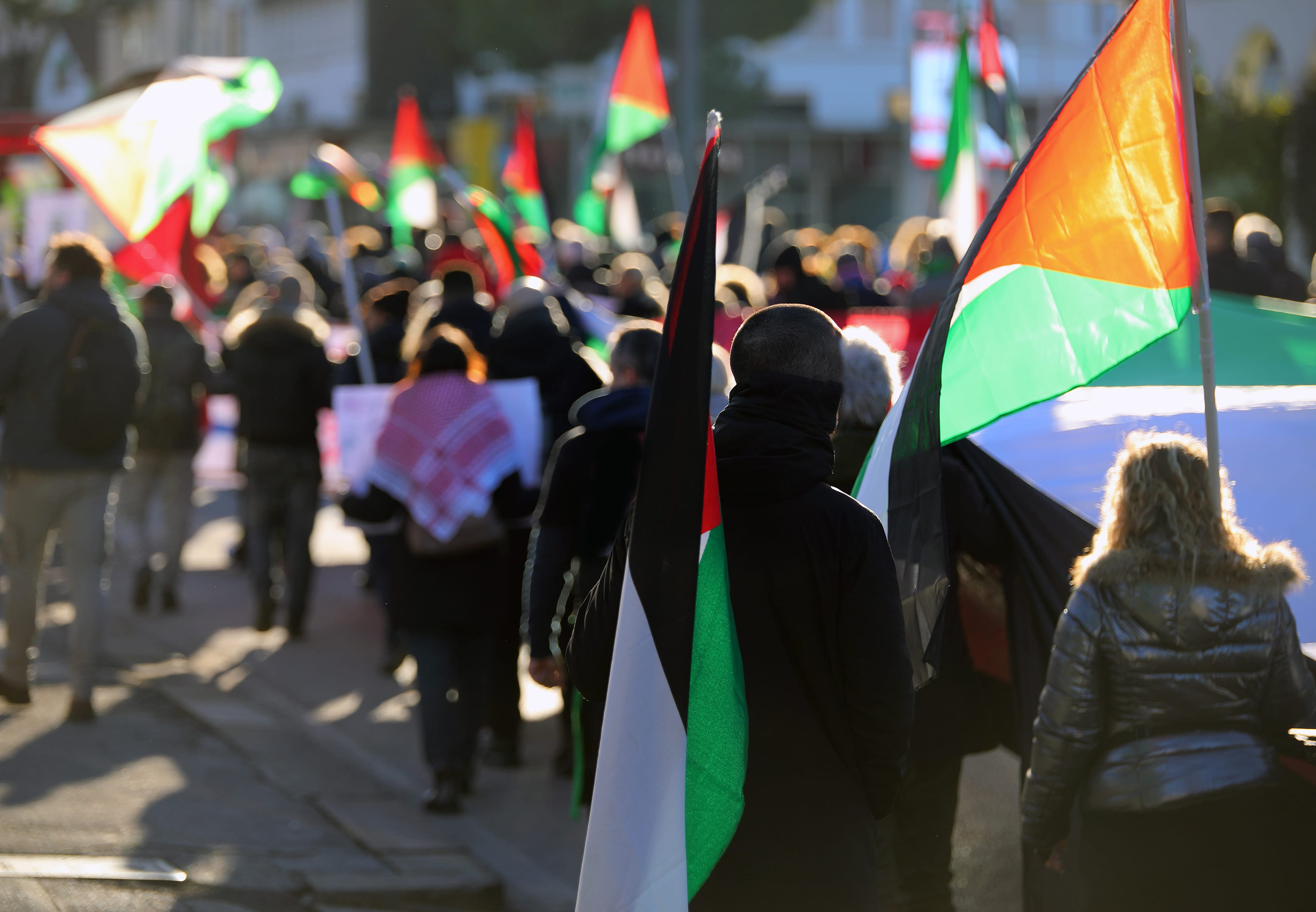
The agreement comes years after the October 7, 2023, Hamas attack on Israel, which triggered a devastating war in Gaza. The assault resulted in the deaths of Israeli civilians and soldiers and led to the capture of hostages who were taken into Gaza.
Israel responded with a large-scale military campaign aimed at dismantling Hamas’ military infrastructure and removing its ability to launch future attacks. The war caused widespread destruction across Gaza and created a severe humanitarian crisis, drawing international attention and pressure for a political solution.
Trump framed the disarmament agreement as a direct response to the security concerns created by the October 7 attack. He argued that preventing Hamas from rebuilding its military strength was essential for any long-term peace effort.
“The threat” from Gaza, Trump said, could not be allowed to return, making security the foundation of the proposed agreement.
However, questions remain about how the disarmament process would be verified and enforced. Previous attempts to reduce violence in the region have faced challenges because of disagreements over security control, political authority and the future status of Gaza.
A major diplomatic test ahead
While Trump called the agreement a “monumental step toward lasting PEACE and SECURITY,” the next stages are expected to determine whether the plan can succeed.
Disarming a powerful militant organization is considered one of the most difficult challenges in international diplomacy. Hamas has built a significant military network over decades, including tunnels, weapons systems and armed units. Convincing the group to permanently surrender those capabilities would require major political and security guarantees.
Israel’s role will also be closely watched. Any withdrawal of Israeli forces would depend on confidence that Gaza would not again become a launching point for attacks. Israeli officials have repeatedly said they will not accept a return to the conditions that existed before October 7.
At the same time, Palestinians in Gaza face questions about rebuilding their homes, restoring basic services and establishing a government capable of managing daily life after years of conflict.
Trump’s announcement places the agreement at the center of renewed global attention. If successfully implemented, supporters say it could represent a historic turning point by removing Hamas’ military threat and creating a new political future for Gaza.
But the path ahead remains complicated. The success of the agreement will depend not only on the initial commitments but also on whether all sides can maintain cooperation through the difficult process of disarmament, withdrawal and rebuilding.
For now, Trump is presenting the deal as a major breakthrough in one of the world’s most challenging conflicts. The coming phases will determine whether it becomes a lasting peace effort or another unrealized attempt to end decades of violence.