More than half a century after two astronauts left humanity’s first footprints on another world, NASA is asking the public to look toward the Moon again. This time, the goal is not simply to land, collect samples, and return home. The agency is developing a sustained outpost near the lunar South Pole, where astronauts could live, conduct research, test technology, and prepare for eventual journeys to Mars.
NASA marked the Apollo 11 anniversary by linking one of history’s greatest achievements to the Artemis era. The comparison is powerful, but the goals are different. Apollo proved that humans could reach the Moon, while Artemis is designed to establish the equipment and infrastructure required for repeated missions and longer stays.
The Day Humanity Reached Another World
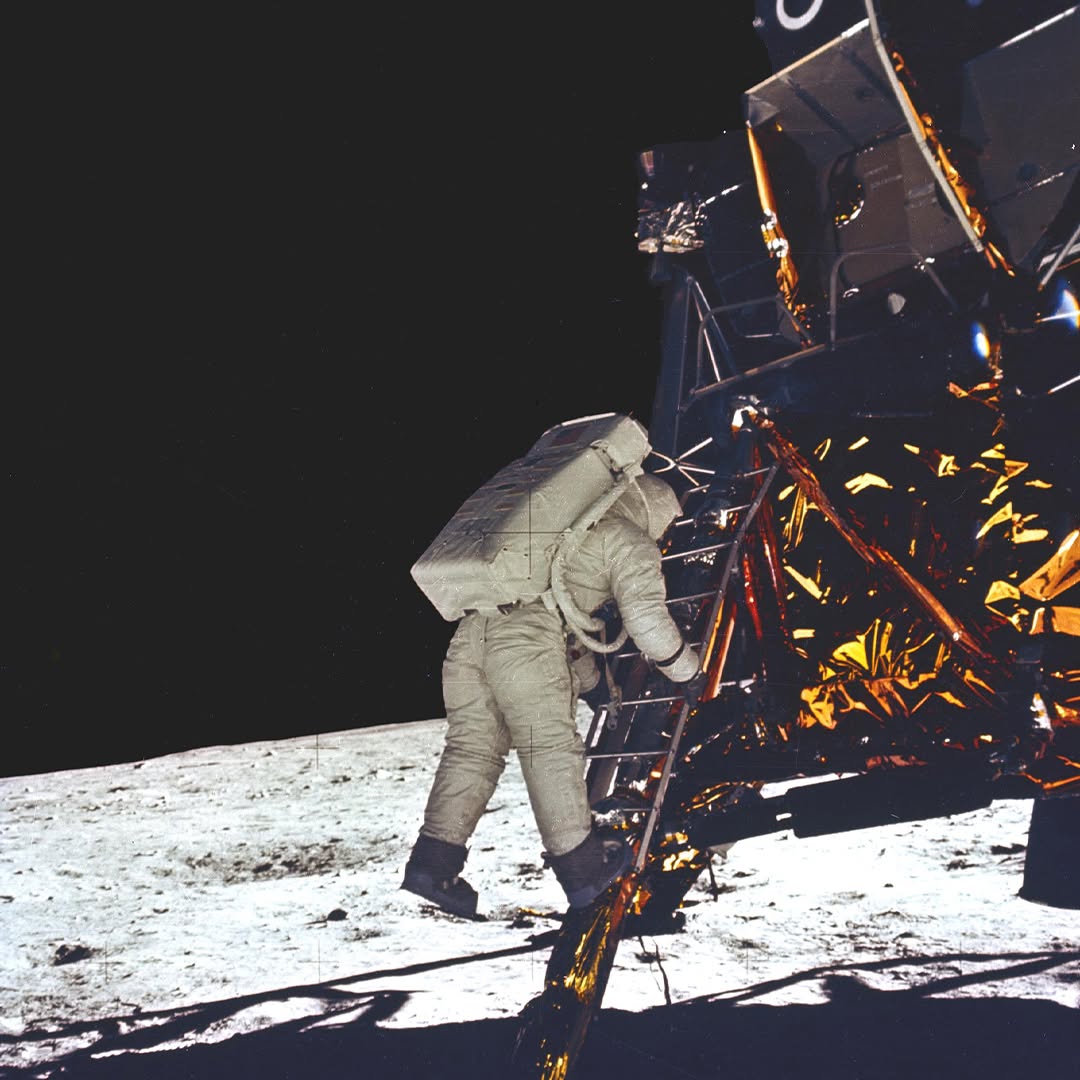
Apollo 11 launched from Kennedy Space Center on July 16, 1969, carrying Neil Armstrong, Buzz Aldrin, and Michael Collins. Four days later, Armstrong and Aldrin landed the lunar module Eagle in the Sea of Tranquility. Collins remained in lunar orbit aboard the command module Columbia.
Armstrong stepped onto the Moon on July 20, becoming the first person to walk on another celestial body. Aldrin followed about 20 minutes later. During a moonwalk lasting more than two and a half hours, they photographed the surface, deployed scientific equipment, and collected lunar material for researchers on Earth.
The pair spent 21 hours and 36 minutes on the lunar surface before lifting off and rejoining Collins. Five more successful crewed lunar landings followed, but no human has walked on the Moon since the Apollo 17 mission in December 1972. That long absence gives NASA’s return campaign enormous historical weight.
Artemis Has Moved Beyond Promises
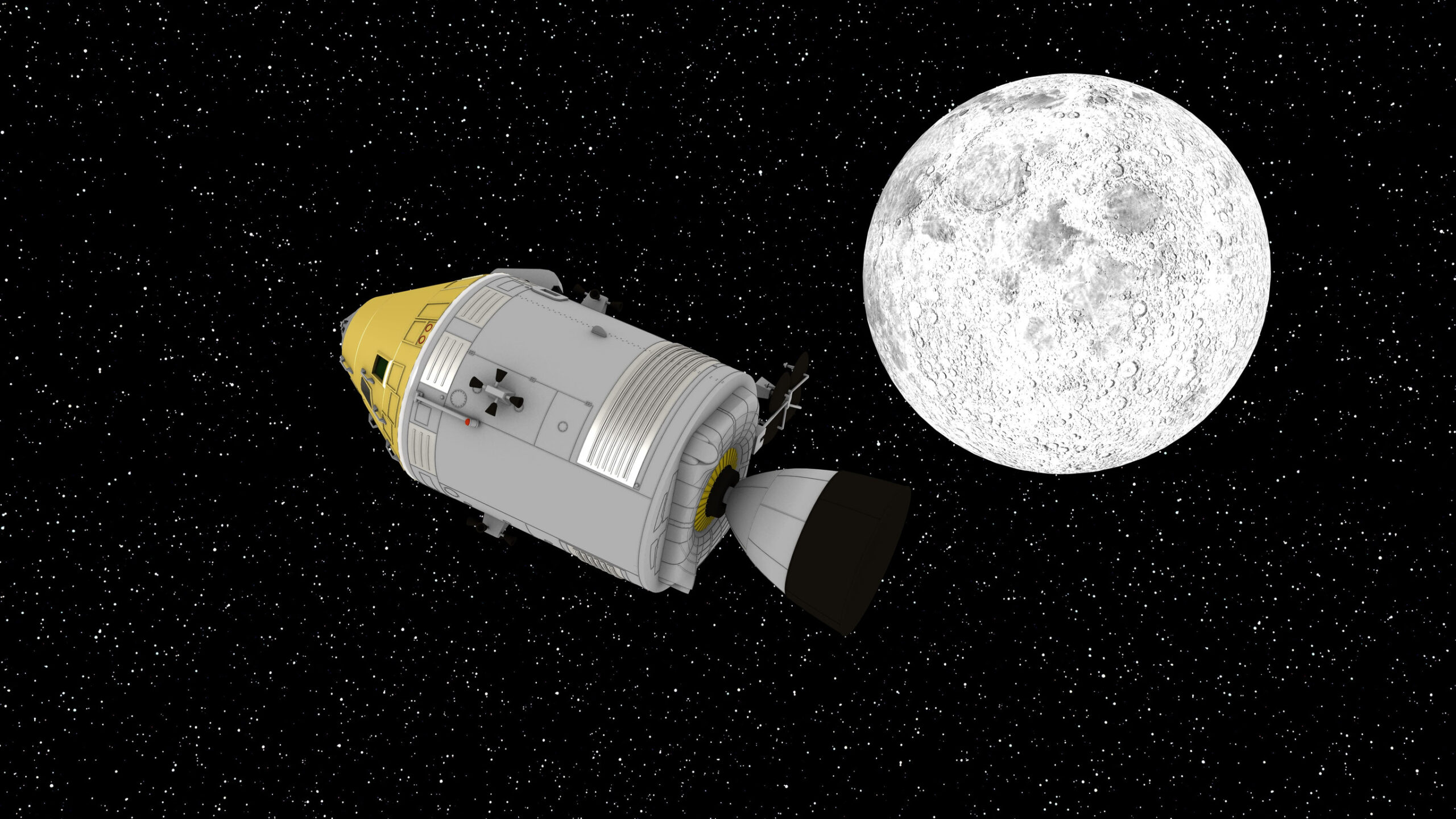
Artemis is no longer only a collection of distant plans. The uncrewed Artemis I mission traveled around the Moon in 2022, testing the Space Launch System rocket and Orion spacecraft. It completed a mission lasting more than 25 days before Orion splashed down in the Pacific Ocean on December 11, 2022.
Artemis II then launched four astronauts on April 1, 2026, for the program’s first crewed lunar flyby. NASA astronauts Reid Wiseman, Victor Glover, and Christina Koch flew alongside Canadian Space Agency astronaut Jeremy Hansen. The mission ended with a Pacific splashdown on April 10 after nine days, one hour, and 32 minutes.
The flight tested the spacecraft, navigation, communications, life support, and operations needed for later missions. It also carried humans into the Moon’s neighborhood for the first time in more than 50 years. The achievement created a bridge between the Apollo generation and the crews expected to explore the lunar surface under Artemis.
NASA plans to launch Artemis III in 2027 as a crewed demonstration in low Earth orbit. Instead of landing astronauts, the mission will test rendezvous and docking operations involving Orion and commercial human landing systems. NASA currently targets early 2028 for the first Artemis lunar landing during Artemis IV.
The Moon Base Is More Than One Building
The words “Moon Base” may suggest a single futuristic habitat standing alone on a gray plain. NASA’s vision is much broader. The proposed outpost would connect habitats, rovers, power systems, communications, navigation services, cargo delivery, scientific equipment, and technologies capable of surviving the lunar environment.
NASA selected the South Pole because the region offers major scientific opportunities and contains shadowed areas where water ice may have remained preserved for billions of years. It is also an unforgiving location. Crews and machines will face rugged terrain, severe cold, prolonged darkness, abrasive lunar dust, and extremely limited emergency support.
The base will be developed in stages rather than delivered during one dramatic launch. NASA’s first phase, running through 2029, emphasizes robotic scouting, technology demonstrations, mobility tests, early power and communications systems, and scientific payloads. The published roadmap describes up to 25 missions, including 21 landings, with approximately four tons of payload delivered during this opening period.
By 2029, NASA expects to begin a second phase involving early habitation, expanded power systems, upgraded rovers, and stronger communications networks. A pressurized rover supplied by the Japan Aerospace Exploration Agency is expected to operate as both a mobile laboratory and temporary living space. NASA says the vehicle is being designed to support two astronauts for journeys lasting as long as 30 days.
Why the Moon Is Part of the Road to Mars
A lasting lunar presence is not simply an effort to repeat Apollo. The Moon provides a nearby proving ground where NASA can learn how crews, habitats, vehicles, power systems, and life support equipment perform far from Earth. Problems discovered there could be corrected before astronauts attempt the much longer and more dangerous journey to Mars.
Lunar explorers could also investigate the history of the Moon, Earth, and the wider solar system. Ancient terrain and permanently shadowed craters may preserve scientific records that are difficult to study elsewhere. Commercial companies, universities, and international partners are expected to contribute landers, vehicles, instruments, and supporting infrastructure.
The timeline remains ambitious. Rockets, landers, spacesuits, habitats, surface vehicles, and communications systems must operate together, and delays in one major component could affect later missions. NASA’s target dates reflect the reality that deep space exploration rarely follows a perfect calendar.
Apollo 11 gave humanity its first steps on the Moon. Artemis is attempting something more enduring by turning historic footprints into the foundation of a working lunar outpost. The next giant leap may not be one dramatic moment, but a sequence of launches, landings, experiments, and hard-earned advances that could make living beyond Earth part of the human story.