A short drive home should not become the last trip someone ever takes. Yet in state after state, alcohol impaired crashes are still leaving families with roadside memorials, funeral bills, court dates, empty seats, and questions no one can fully answer.
The latest federal crash safety data shows that 11,904 people were killed in alcohol impaired driving crashes across the United States in 2024. These are crashes involving at least one driver or motorcycle rider with a blood alcohol concentration of .08 or higher.
This ranking looks at total deaths, not per capita rates. That means larger states often appear near the top because they have more drivers, more highways, more nightlife, more freight traffic, and more daily travel. Still, the numbers show where the human toll is hitting hardest.
Texas
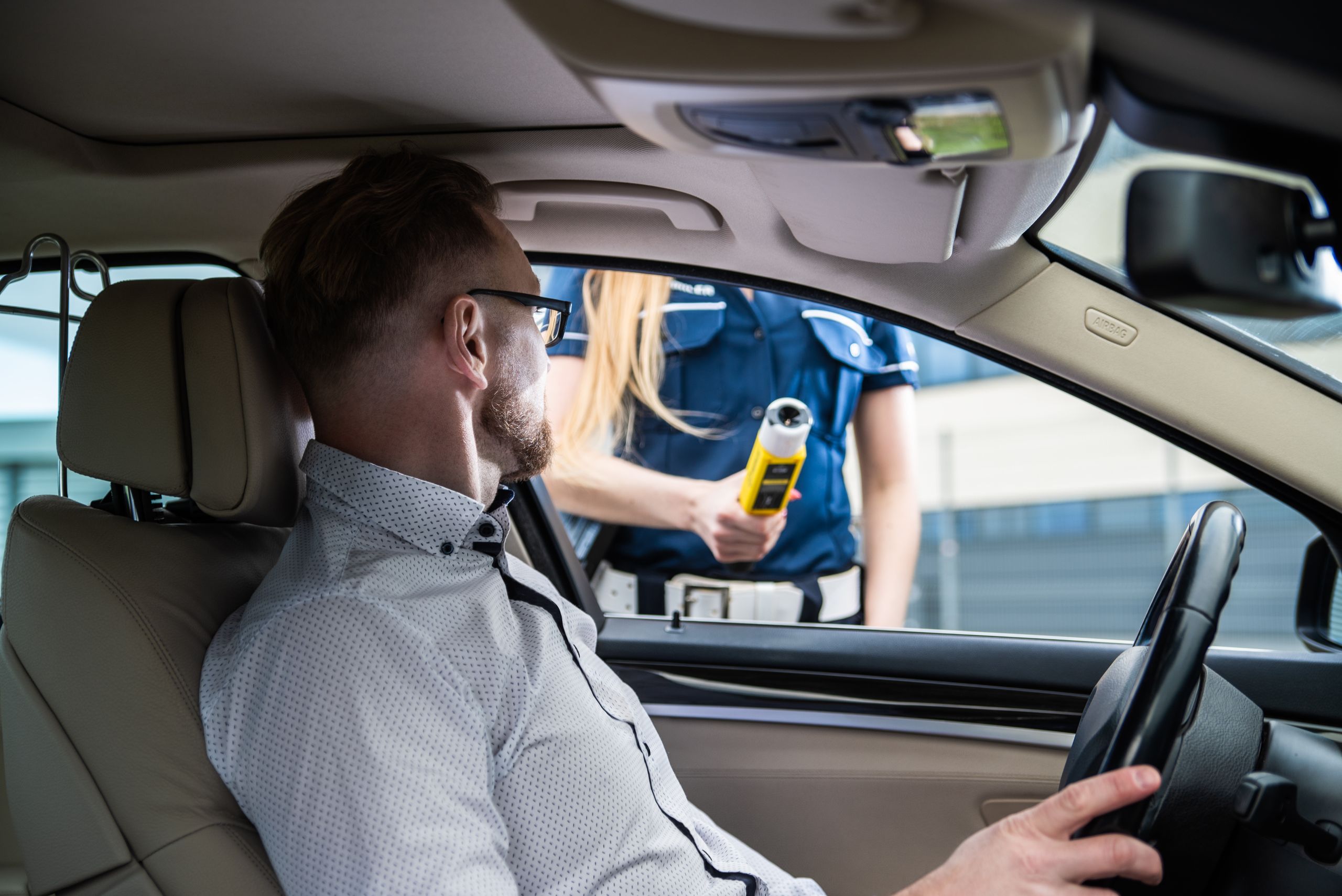
Texas recorded 1,676 alcohol impaired driving fatalities in 2024, the highest total in the country. The number did not change from 2023, which makes the state stand out even more.
That means the danger stretches far beyond one city or one holiday weekend. It touches and stretches far beyond one city or one holiday weekend. It touches Houston freeways, Dallas suburbs, Austin nightlife, San Antonio roads, West Texas highways, border routes, and small towns where driving is often the only way home.
Alcohol impaired deaths made up 40 percent of Texas traffic fatalities in 2024. For families, police, paramedics, and drivers, that is not just a transportation issue. It is a daily public safety crisis.
California
California had 1,311 alcohol impaired driving fatalities in 2024, the second-highest total nationwide. The state saw a small drop from 2023, but the number remains painfully high.
California’s road system is unlike almost anywhere else in the country. Los Angeles freeways, Bay Area bridges, Central Valley routes, coastal highways, desert roads, and commuter corridors all carry heavy traffic at different hours of the day.
Alcohol impaired deaths made up 34 percent of the state’s traffic fatalities. For parents, workers, students, tourists, and rideshare drivers, one impaired driver can turn an ordinary California night into a tragedy.
Florida
Florida recorded 769 alcohol impaired driving fatalities in 2024, placing it third in the nation. The state did see a decline from 2023, but the total remains one of the largest in America.
The risk in Florida is complicated because the roads serve so many different groups at once. Residents, retirees, college students, beach visitors, tourists, theme park travelers, delivery workers, and nightlife crowds all share the same lanes.
Alcohol impaired deaths made up 24 percent of Florida traffic fatalities. That percentage is lower than in some states, but the total number still shows how dangerous impaired driving can be in a state built around travel, entertainment, and car-dependent communities.
North Carolina
North Carolina recorded 449 alcohol impaired driving fatalities in 2024. That places it fourth among all states by total deaths.
The state’s number rose from 2023, which makes the trend especially concerning. Charlotte, Raleigh, Greensboro, Durham, Asheville, Wilmington, and rural counties all face different versions of the same risk.
Alcohol impaired deaths made up 28 percent of North Carolina traffic fatalities. The danger is not limited to major interstates. Two-lane rural roads, beach routes, mountain drives, and late-night local trips can become deadly when alcohol is involved.
Ohio
Ohio had 424 alcohol impaired driving fatalities in 2024. That is fewer than the year before, but still enough to place the state among the nation’s worst totals.
What makes Ohio stand out is the share of deaths. Alcohol impaired crashes accounted for 37 percent of the state’s traffic fatalities, which is far above the national share.
This matters for drivers in Columbus, Cleveland, Cincinnati, Toledo, Akron, Dayton, and smaller communities. Ohio has major interstate corridors, college towns, sports traffic, rural roads, and late-night local driving. The numbers suggest impaired driving remains one of the state’s most stubborn road dangers.
Arizona
Arizona recorded 419 alcohol impaired driving fatalities in 2024. That put it just behind Ohio and ahead of several larger states.
Arizona’s roads can be fast, wide, dark, and unforgiving. Phoenix and Tucson bring major urban traffic, while desert highways and long rural routes can leave little room for error after sunset.
Alcohol impaired deaths made up 34 percent of the state’s traffic fatalities. That share shows why public safety officials and families continue to worry about late-night driving, high speeds, and long distances between safe stops.
South Carolina
South Carolina had 417 alcohol impaired driving fatalities in 2024. That is close to Arizona’s total, even though South Carolina has a much smaller population.
The percentage is what makes the state especially troubling. Alcohol impaired deaths accounted for 40 percent of South Carolina’s total traffic fatalities, matching Texas for one of the harshest shares among the states on this list.
The risk reaches beach roads, rural highways, tourism corridors, college towns, and busy interstates. For South Carolina residents, the data points to a danger that is not occasional. It is deeply tied to everyday road safety.
Illinois
Illinois recorded 338 alcohol impaired driving fatalities in 2024. The state saw a major decline from 2023, but it still landed in the top 10 by total deaths.
Some readers may think of Chicago and wonder why the number remains so high in a state with transit options. But Illinois is far more than one city. It includes suburbs, small towns, college communities, rural highways, and long interstate routes.
Alcohol impaired deaths made up 29 percent of Illinois traffic fatalities. That means the problem is not only about nightlife districts. It is also about where people have fewer transportation choices after drinking.
Tennessee
Tennessee had 332 alcohol impaired driving fatalities in 2024. The state’s total dropped in 2023, but the issue remains serious.
Nashville’s entertainment scene may draw attention, but the danger is statewide. Memphis, Knoxville, Chattanooga, mountain roads, tourism routes, suburban highways, and rural communities all carry the risk.
Alcohol impaired deaths made up 28 percent of Tennessee traffic fatalities. Recent state roadway fatality details show why local road conditions, driving patterns, and vehicle dependence matter when comparing states. Tennessee’s numbers show how quickly growth, tourism, and car travel can collide with impaired driving.
Georgia
Georgia recorded 325 alcohol impaired driving fatalities in 2024. That was a sharp decline from 2023, but the state still ranked among the top 10 in total.
Metro Atlanta’s traffic gets much of the attention, and for good reason. Congestion, long commutes, event traffic, airport travel, suburban sprawl, and late-night driving all make the region complex.
But Georgia’s impaired driving problem does not stop at Atlanta. College towns, rural counties, coastal routes, and interstate corridors all carry risks. Alcohol impaired deaths made up 23 percent of Georgia traffic fatalities, lower than many states on this list, but the total still reflects hundreds of families affected.
What drivers should watch next?
The national picture is not all bad. Alcohol impaired driving deaths fell from 2023 to 2024, and that decline matters. But 11,904 deaths still means the crisis is far from solved.
Recent alcohol impaired driving trends continue to show how deeply this issue is tied to nighttime driving, weekend travel, personal choices, and community safety. For ordinary drivers, the lesson is practical, not political.
A sober ride, a designated driver, a taxi, a rideshare, a hotel room, or simply waiting longer can prevent a life-changing mistake. National drunk driving prevention guidance keeps returning to the same simple idea: plan before drinking, not after.
The states on this list carry the highest totals, but the warning belongs to every road in America. The most dangerous drive is often the one that feels familiar, short, and easy. That is why the real question is not whether drunk driving is still a problem. It is a question of whether enough people will treat it as the preventable crisis it already is.