A chilling incident unfolded on Wednesday afternoon in North San Jose when a deceased person was discovered at a waste facility on the 700 block of Los Esteros Road. The discovery immediately triggered an active investigation by the San Jose Police Department, highlighting the hidden hazards present in large-scale industrial operations.
Such findings draw attention not only to workplace safety but also to the complex web of waste management and supply chains that underpin urban infrastructure. The presence of a body in this context underscores the urgent need to understand the environmental and procedural vulnerabilities inherent in waste-processing facilities.
San Jose authorities have confirmed that the Santa Clara County Medical Examiner’s Office is involved, though no additional details about the deceased person’s identity, age, or cause of death have been released.
While speculation may abound, investigators are working cautiously to reconstruct the events that led to the discovery, emphasizing that the body could have arrived at the facility through multiple potential pathways. This incident, though isolated, raises broader questions about industrial oversight, employee safety, and community awareness surrounding essential but often overlooked waste infrastructure.
The Hidden Risks Within Industrial Waste Operations
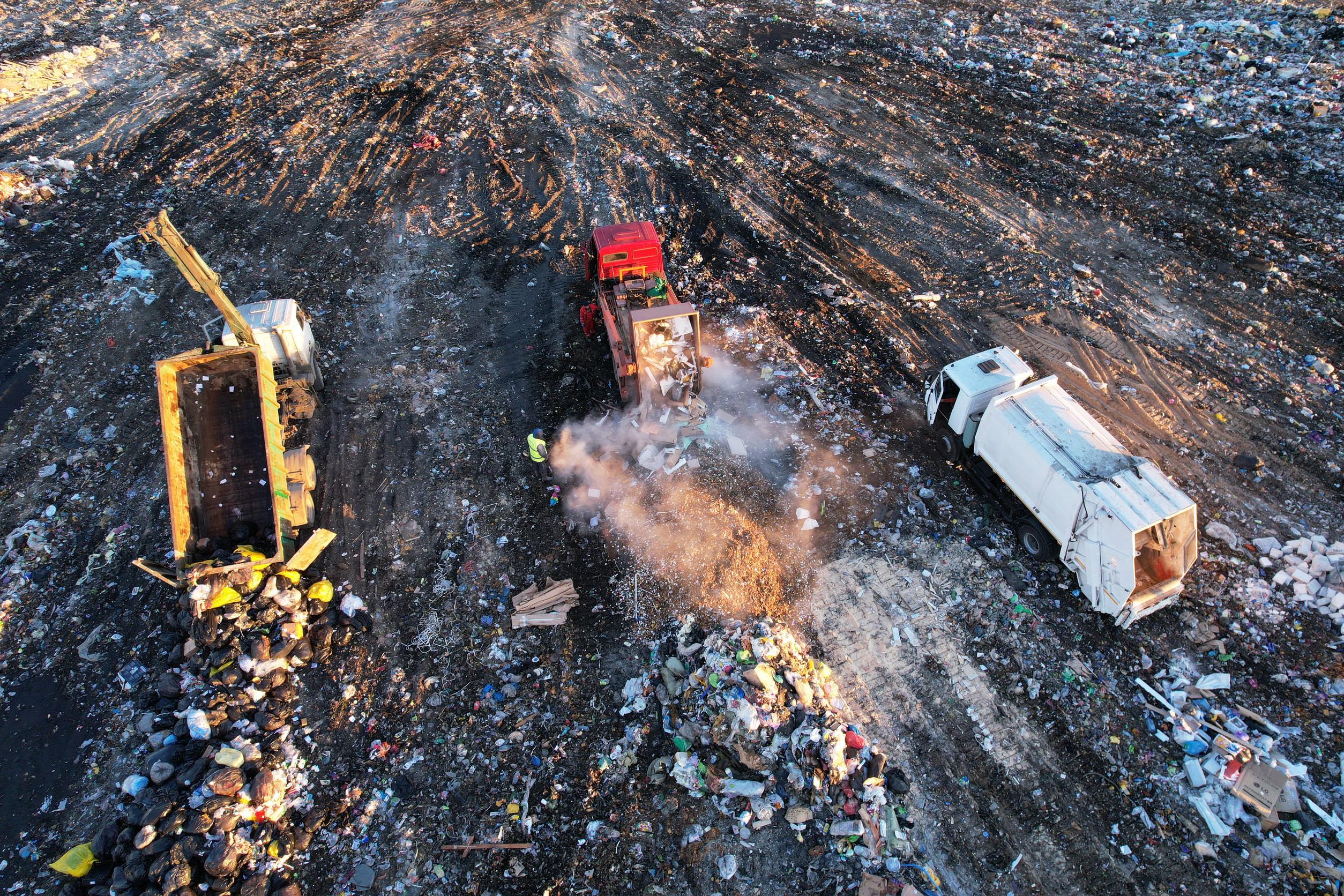
Waste facilities are complex environments where enormous quantities of material are processed daily. Workers contend with moving machinery, conveyor systems, compactors, and heavy vehicles, all of which create significant occupational hazards. Even minor lapses in safety procedures can quickly escalate into fatal incidents, and the recent San Jose case underscores this reality.
The discovery of a body within such a facility serves as a stark reminder of the dangers inherent in industrial zones. These operations are essential to the functioning of cities, yet the daily risks to employees are often invisible to the public eye. Beyond machinery, workers face unpredictable hazards such as exposure to hazardous materials, slips, or mismanaged loads. Investigators are likely assessing whether proper protocols were followed and whether any lapses contributed to this tragic outcome.
Historical incidents in California and nationwide demonstrate that fatalities at industrial and waste sites, though rare, can occur even in heavily regulated environments. Cases have ranged from accidental entrapment in machinery to exposure-related health emergencies, highlighting the importance of rigorous safety standards, ongoing staff training, and proactive oversight. In this context, San Jose’s investigation may serve as a catalyst for evaluating safety measures across similar facilities in the region.
Tracing the Path: How a Body May Travel Through the Waste Stream
One of the more perplexing aspects of this investigation involves the potential movement of the body through the facility’s complex waste stream. Industrial operations process materials from diverse sources, often transporting large volumes from multiple locations before sorting and disposal. This raises a fundamental investigative question: did the deceased person originate at the site, or were they inadvertently transported there through waste deliveries?
Understanding the journey of the material that brought the body to the facility is crucial for investigators. They will likely examine delivery manifests, vehicle logs, and security footage to identify origins and any personnel involved in handling the materials. Historical cases indicate that objects or remains can traverse multiple facilities before being detected, underscoring the complexity of tracing responsibility and reconstructing events.
This complexity also affects how authorities interpret the circumstances surrounding the death. If the body arrived via a delivery, the investigative scope may extend beyond a single facility, requiring coordination with multiple companies and transportation networks. Each potential pathway must be analyzed meticulously, underscoring the logistical challenges that accompany investigations in large industrial environments.
Forensic Analysis and the Role of the Medical Examiner

The involvement of the Santa Clara County Medical Examiner’s Office is central to understanding the circumstances of this death. The office is responsible for identifying the deceased, determining the cause of death, and classifying the manner of death. These findings will inform whether the case remains an industrial accident, a natural death, or escalates into a criminal investigation.
Determining the cause of death involves a thorough medical examination, often including toxicology, trauma assessment, and environmental exposure evaluation. The manner of death, categorized as natural, accidental, homicide, suicide, or undetermined, provides a legal framework for law enforcement and public safety agencies.
In industrial contexts, this step is particularly complex due to the potential for environmental contamination, machinery involvement, and handling of the body within waste materials. The medical examiner’s findings will shape subsequent investigative and regulatory actions. If evidence points to workplace negligence or preventable risk factors, the case may prompt safety audits and compliance reviews.
Conversely, natural or accidental causes may focus attention on procedural adjustments rather than criminal liability. Either outcome will contribute to a broader understanding of safety dynamics within waste management facilities.
Community Concerns and the Industrial Neighborhood Context
The Los Esteros Road corridor in North San Jose is predominantly industrial, hosting waste processing, recycling, and resource recovery operations. While residents and business owners rely on these services, the sudden discovery of a deceased person in this context has heightened concerns about safety, oversight, and transparency.
Industrial zones often coexist with commercial and residential areas, creating complex interactions between operational hazards and community well-being. Questions about potential threats, access control, and emergency preparedness naturally arise.
Community members are left to reconcile the critical services these facilities provide with the unsettling reality that severe accidents can occur, often going unnoticed until incidents like this emerge.
This case also reflects broader societal questions about accountability in essential services. Industrial operations may follow state and federal regulations, yet even minor deviations or oversights can have fatal consequences. Public scrutiny and investigative transparency are vital to ensuring that safety standards protect both workers and surrounding communities.
Regulatory Oversight and Environmental Implications
Waste facilities operate under strict oversight from local, state, and federal agencies, encompassing occupational safety, environmental compliance, and reporting obligations. The San Jose incident may trigger audits to assess adherence to these regulations, potentially revealing procedural gaps or systemic risks.
Environmental considerations are also relevant. Waste facilities manage hazardous materials, including chemicals and biological matter, that require careful handling. Regulatory frameworks aim to minimize human exposure, prevent contamination, and ensure responsible disposal. Incidents involving fatalities often prompt a reevaluation of these frameworks to strengthen preventive measures.
Past investigations show that even minor regulatory lapses can exacerbate the severity of industrial accidents. Lessons learned from similar cases nationally suggest that proactive inspections, rigorous employee training, and transparent reporting are critical for reducing risk and protecting human life.
The Human Element in Industrial Tragedies
While analytical and regulatory factors are essential, the human impact remains central. Employees working in industrial facilities face daily hazards that rarely enter public discourse. Accidents can ripple through families, coworkers, and the broader community, generating grief, anxiety, and heightened scrutiny of institutional practices.
This discovery also raises questions about the effectiveness of emergency response. How quickly workers identified the body, how authorities were notified, and how first responders managed the scene all contribute to outcomes. Investigators must consider both mechanical and human factors to construct a comprehensive understanding of the events.
Historical examples emphasize that even well-established safety protocols cannot eliminate all risk. Recognizing and mitigating human factors—fatigue, procedural errors, or miscommunication—remain ongoing challenges for industrial operations and regulatory bodies alike.
Broader Implications for Industrial Operations
Incidents like the one on Los Esteros Road highlight persistent vulnerabilities in industrial and waste operations. They raise questions about preparedness, infrastructure oversight, and risk mitigation. Moreover, they reflect the broader societal challenge of balancing essential services with human safety.
Communities rely on these operations daily, yet rarely consider the potential for unseen hazards. This discovery may prompt other municipalities and companies to reexamine protocols, enhance training, and improve transparency in industrial environments. It also underscores the importance of ongoing investment in safety technology, monitoring systems, and employee support.
Final Thought
The death at the San Jose waste facility is more than a single tragic incident. It exposes the intersection of human vulnerability, industrial complexity, and regulatory oversight. As investigators work to determine cause, identity, and manner of death, the story challenges both authorities and the public to reflect on the hidden risks within essential infrastructure.
How prepared are our industrial systems to prevent such tragedies? And how can communities balance the necessity of these operations with the moral imperative to protect human life? These questions linger, demanding attention long after the immediate investigation concludes.