Every American has heard it at some point. Someone complains about a state they barely know, blames it for bad drivers, high taxes, strange politics, awful weather, ugly highways, rude people, or a vacation that went sideways ten years ago.
State hate is rarely fair. It is usually a messy mix of stereotypes, personal grudges, political frustration, sports rivalry, moving stress, and whatever the internet decided to mock that week.
Still, some states catch more heat than others. They become national punchlines because people associate them with cost, crime fears, traffic, humidity, arrogance, poverty, overcrowding, or old cultural baggage.
This list is not saying these states are bad places. It is about reputation, and reputation can be brutal. Some states are hated because they struggle. Others are hated because they are too powerful, too expensive, too loud, or too proud to ignore.
New Jersey

New Jersey gets roasted like it was built for punchlines. People complain about the tolls, the traffic, the attitude, the busy roads, the chemical smells, and the feeling that every exit somehow leads to another argument. In YouGov’s older head-to-head ranking, New Jersey landed near the bottom among the least popular states, which shows how stubborn its image problem has become.
The funny part is that New Jersey has plenty to brag about. It has beaches, great schools, high incomes, fierce food culture, and easy access to New York and Philadelphia. But America does not always reward convenience. Sometimes it punishes a place for being crowded, expensive, blunt, and too close to everything people already complain about.
California
California gets hated because it refuses to stay quiet. Hollywood shapes entertainment, Silicon Valley shapes technology, Los Angeles shapes celebrity culture, and Sacramento politics often becomes a national debate before other states have finished breakfast. People blame California for high rent, traffic, wildfires, taxes, homelessness, and every cultural trend they already dislike.
Yet the same state people mock still pulls talent, money, tourists, dreamers, students, creators, and founders from across the world. That contradiction keeps the resentment alive. California is not hated because it is irrelevant. It is hated because it is powerful, expensive, impossible to ignore, and still glamorous enough to annoy everyone who says they would never move there.
New York
New York gets blamed for being loud, rushed, expensive, crowded, and convinced that the rest of America is waiting for its opinion. For many people, the whole state gets reduced to New York City, even though upstate communities, small towns, farms, lakes, and mountain regions tell a very different story.
The state’s biggest problem is emotional overload. Rent feels punishing, streets feel intense, winters can be gray, and the pace can make even confident people feel squeezed. The Census Bureau’s state-to-state migration data helps explain why moving patterns become part of the conversation. When people leave expensive states, critics often turn those exits into proof that the state itself is broken.
Florida
Florida is America’s weird cousin, vacation fantasy, retirement magnet, hurricane warning, political battlefield, and meme factory all at once. People love its beaches, warm weather, theme parks, nightlife, and no state income tax, but they also mock the humidity, insurance costs, chaotic headlines, and endless “Florida man” jokes.
That split personality keeps Florida on lists like this. It gives people paradise and panic in the same sentence. The state attracts newcomers, retirees, tourists, families, investors, and culture warriors, then somehow shocks them with alligators, storms, traffic, and politics that feel louder than the ocean.
Texas
Texas does not ask to be liked softly. It walks into the national room wearing boots, carrying barbecue, talking about freedom, football, oil, guns, business, heat, and state pride, like everyone else should take notes. That confidence attracts people, but it also irritates people who see Texas as too loud, too political, too hot, and too convinced of its own legend.
The resentment comes from the same traits that make Texas appealing. Big cities keep growing. Jobs keep pulling people in. Food, music, sports, and land give the state real cultural muscle. But when a state brands itself as bigger and better than everyone else, it should not act surprised when everyone else rolls their eyes.
Illinois
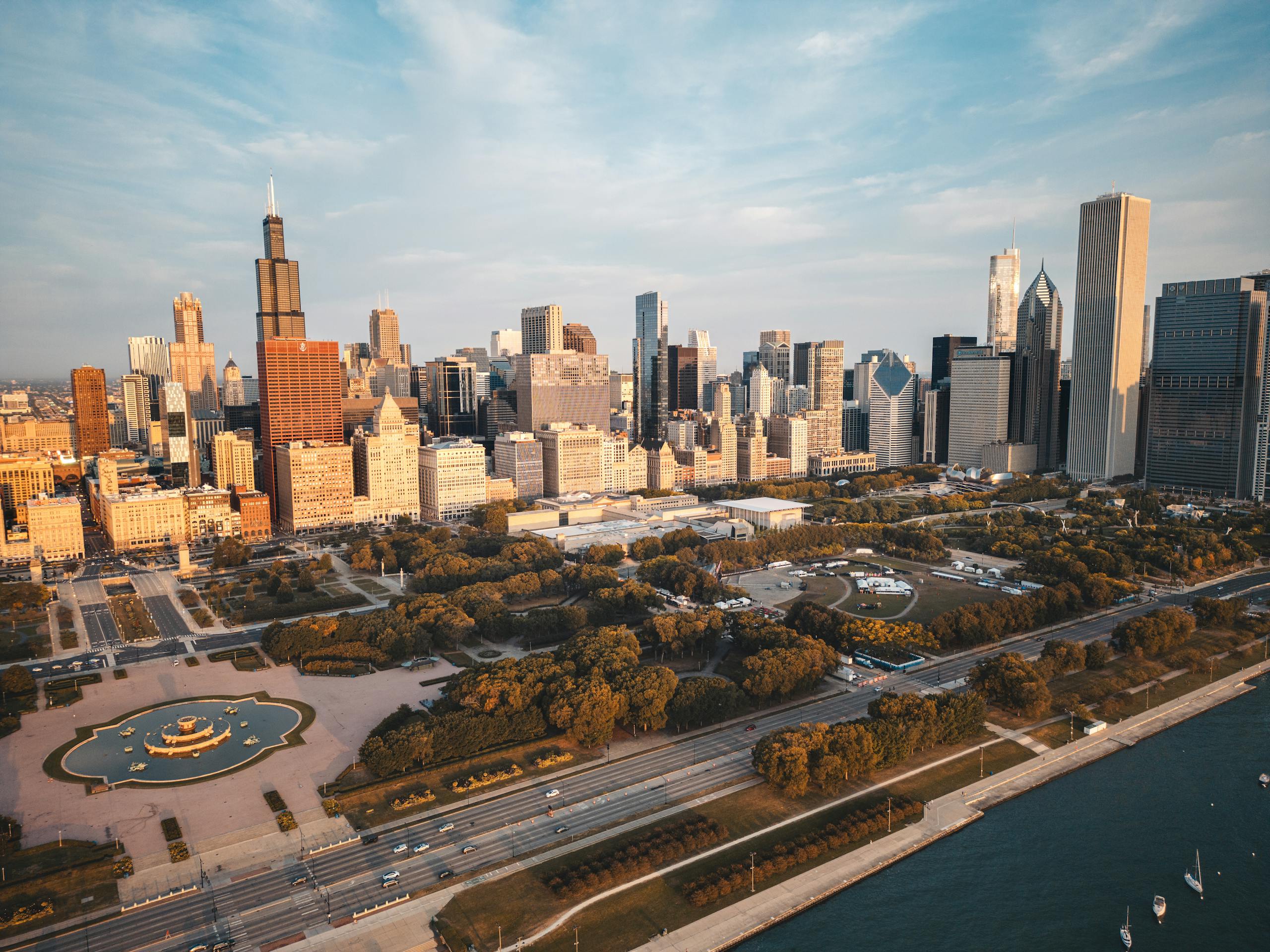
Illinois is often judged by Chicago, and that is both a gift and a curse. Chicago gives the state food, architecture, music, sports, universities, skyline beauty, and world-class culture. It also gives critics an easy target for crime fears, political corruption jokes, tax jokes, winter misery, and city-versus-downstate resentment.
The deeper frustration is that Illinois feels like a state with enormous assets and endless complaints. People love the lakefront, the museums, the neighborhoods, and the food, then turn around and complain about property taxes, politics, and population loss. That tension makes Illinois feel less hated than exhausted, as if even the people defending it know exactly why critics keep talking.
Mississippi
Mississippi often gets dragged into national conversations as a symbol of poverty, weak health outcomes, education struggles, and America’s unresolved racial history. That reputation is painful because it turns a real place full of families, churches, music, food, humor, and resilience into an easy target for insults.
The state also gets flattened by outsiders who know more stereotypes than stories. Mississippi shaped the blues, literature, civil rights history, and Southern food culture in ways far bigger than its population would suggest. The criticism lands because the struggles are real, but the lazy jokes miss the people who live there, build there, teach there, and fight every day for something better.
Alabama
Alabama catches heat for politics, college football obsession, painful history, and the way outsiders use it as shorthand for everything they dislike about the Deep South. The state’s image often gets drawn into national debates over race, religion, conservatism, education, and cultural change.
But Alabama is not one flat stereotype. It has civil rights landmarks, Gulf Coast beauty, fast-growing areas around Huntsville, strong college traditions, and communities with great local pride. National hatred often stems from people reacting to a symbol rather than a state. Alabama’s problem is that its history is heavy, its politics are loud, and its defenders rarely soften the edges for outsiders.
West Virginia
West Virginia gets judged harshly by people who know it mostly through coal decline, opioid crisis headlines, rural poverty, and mountain stereotypes. It is one of those states Americans talk about with pity, suspicion, or jokes, often without understanding the economic punches many communities have absorbed for generations.
That reputation hides real beauty. The state has mountains, rivers, outdoor culture, family loyalty, and a strong sense of place that many more polished states cannot fake.
Bureau of Economic Analysis data on regional price parities also show that cost differences vary widely across states, complicating the usual story. West Virginia may be mocked as struggling, but for some people, affordability and landscape are exactly the point.
Massachusetts
Massachusetts is hated in a different way. It is not usually mocked as hopeless. It is mocked as expensive, cold, smug, overeducated, politically preachy, and full of sports fans who have enjoyed too much winning for too long. People complain about Boston traffic, brutal housing costs, blunt manners, and the sense that everyone is quietly correcting your grammar.
The irritating part is that Massachusetts has the résumé to explain some of the confidence. It has elite hospitals, universities, historic towns, strong jobs, coastal charm, and cultural influence. Its tax and business debates also show up in national comparisons like the tax competitiveness index, which keeps cost complaints alive.
Maybe that is why people resent it so much. Is any state more annoying than one that is cold, costly, arrogant, and still annoyingly successful?