Donald Trump walked into Madison Square Garden for a historic NBA Finals appearance, but the night quickly turned into something louder, messier, and far more symbolic than a courtside presidential cameo. The boos came before the biggest basketball pain of the evening, yet by the final buzzer, they felt tied to everything that went wrong for New York. The Knicks lost 115-111 to the San Antonio Spurs, their 13-game postseason winning streak ended, and a night built for celebration became a perfect storm of politics, pressure, inconvenience, and missed opportunity.
For Knicks fans, this was supposed to feel like a coronation step. New York had a 2-0 Finals lead, Madison Square Garden was hosting its first NBA Finals game in 27 years, and the city was daring itself to believe the championship drought dating back to 1973 might finally be close to ending. Instead, the night became a reminder that the Garden does not simply host history. It chews it up, screams at it, and turns it into a story people argue about before breakfast.
Trump’s Jumbotron Moment Changed the Temperature of the Room
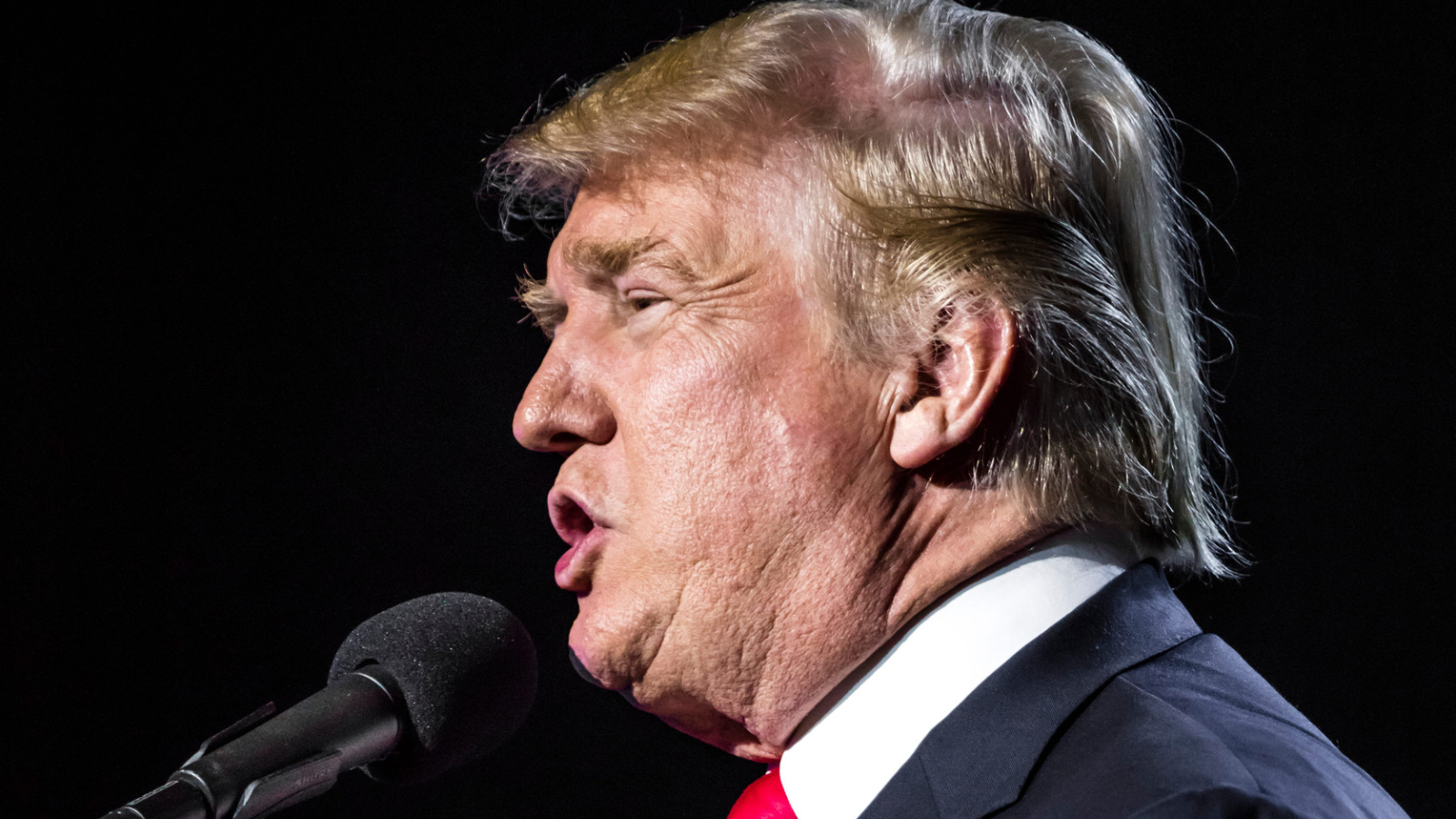
Trump’s appearance became unavoidable the moment cameras found him during the national anthem. Some fans cheered, but the boos were loud enough to define the moment and instantly shift the atmosphere from Finals excitement to political theater. In a city as blunt as New York, that reaction did not feel surprising, but it still carried weight because it happened inside one of the most emotional arenas in American sports.
The timing made it even sharper. Fans were already overloaded by the stakes of Game 3, the cost of attending, the long security lines, and the pressure of seeing the Knicks protect a Finals lead at home. When Trump appeared on the big screen, the crowd did what New York crowds often do when they feel interrupted. They responded with noise, not politeness.
Security Delays Made Fans Pay for the Spectacle Before Tipoff
A presidential visit does not move quietly through Midtown Manhattan. Trump’s attendance brought heightened security, restricted movement, extra screening, and long entry delays that reportedly left some fans waiting far longer than they expected. That mattered because this was not a casual Monday night game. It was a once-in-a-generation Finals homecoming for a fan base that had waited 27 years to see this stage return to the Garden.
That frustration gave the boos a deeper edge. Fans were not only reacting to Trump’s politics. Many were reacting to the feeling that their expensive, emotional, long-awaited basketball night had been made harder before the game even started. When people pay Finals prices, fight through Manhattan crowds, and then face airport-style inconvenience just to reach their seats, the mood can sour fast.
The Knicks’ Winning Streak Died on the Worst Possible Stage
The Knicks entered the night riding a 13-game postseason winning streak, which had turned their playoff run into something close to a citywide fever. Every win had added to the feeling that this team had found something rare: grit, timing, belief, and a home crowd ready to carry them over the finish line. Game 3 was supposed to strengthen that belief.
Instead, the streak ended in front of a restless national audience. A four-point loss always hurts because it invites a thousand small regrets. One rebound, one cleaner possession, one better defensive closeout, one calmer late-game decision could have changed the night. That is why the loss felt bigger than one game. It broke the Knicks’ aura at the exact moment they wanted to look inevitable.
Wembanyama Turned the Garden Hostility Into His Own Statement
Victor Wembanyama gave San Antonio the kind of performance that changes a series. He finished with 32 points, eight rebounds, six assists, and three blocks, but the numbers alone do not capture the emotional value of the night. He walked into the Garden with the Spurs down 2-0, absorbed the noise, and played as if the pressure belonged to someone else.
That matters because Game 3 was not just about San Antonio avoiding a 3-0 hole. It was about Wembanyama proving he could take command on the road in the Finals, inside the loudest building left in the postseason. The Garden has a way of turning rising stars into villains or victims. Wembanyama chose a third option. He became the problem New York could not solve.
New York’s Big Names Left Too Much on the Floor
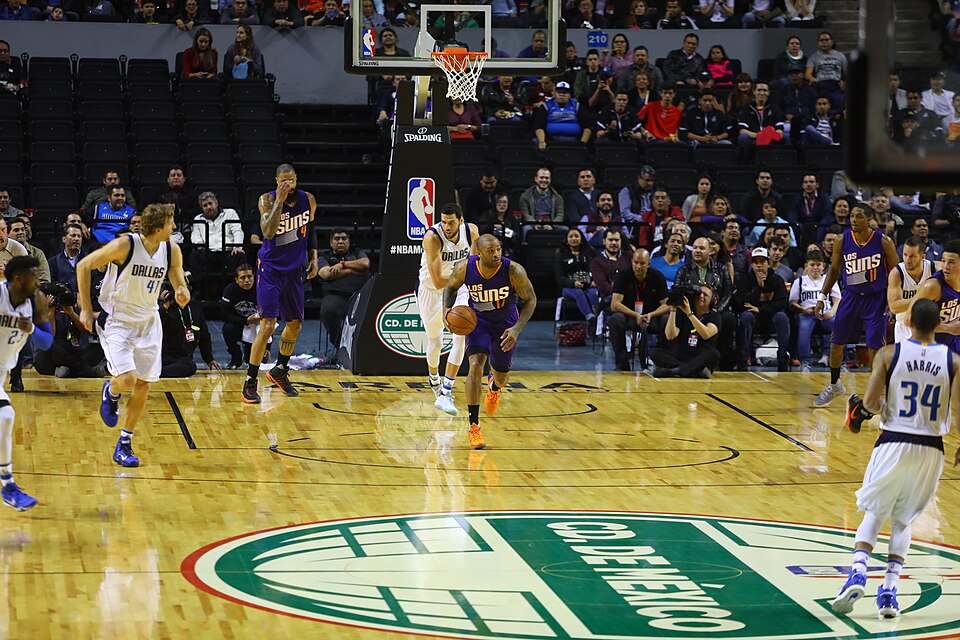
The Knicks had enough talent to win this game, which makes the loss more irritating for their fans. Jalen Brunson kept pushing. OG Anunoby gave New York a major scoring lift. The crowd kept waiting for the kind of late surge that had defined so much of the Knicks’ postseason run. Still, the offense never fully settled when the game demanded calm execution.
Karl-Anthony Towns’ quiet scoring night will likely become one of the biggest talking points. In a Finals game decided by four points, every missing contribution feels magnified. New York did not need every player to be spectacular, but it needed more force from its stars and more control in the final stretch. The Knicks did not collapse. They simply let the Spurs look steadier when steadiness mattered most.
The “Presidential Jinx” Became Too Easy for Fans to Ignore
Sports fans do not need logic to build a jinx theory. They need timing, pain, and a villain-shaped coincidence. Trump arrived. Fans booed. Security became a headache. The Knicks lost. The streak ended. That sequence alone was enough to give frustrated fans a storyline they could repeat all night.
Of course, Trump did not miss shots for the Knicks or defend Wembanyama. The Spurs won because they executed better, played with more composure, and got a superstar performance when they needed it most. Still, the “jinx” angle will travel because it feels emotionally satisfying to angry fans. When a dream night turns sour, people look for a symbol. Trump’s presence gave them one.
Madison Square Garden became a Mirror of America’s bigger tensions.
The most compelling part of the night is that it refused to stay in one lane. It was a basketball game, a presidential appearance, a security event, a celebrity scene, a New York pressure test, and a national culture-war snapshot all at once. That is why the story reached beyond the NBA box score. It had politics for political readers, drama for casual fans, and heartbreak for Knicks loyalists.
Modern sports arenas no longer feel separate from the rest of American life. They are where money, fame, politics, policing, civic pride, and public anger meet in real time. Madison Square Garden simply made that collision louder. Trump’s visit did not create every tension in the room, but it exposed them. The boos were not just sound. They were in a mood.
The Spurs Changed the Series, Not Just the Score
Before Game 3, the Knicks had control of the Finals. After Game 3, they still led 2-1, but the feeling changed. San Antonio proved it could win in New York, Wembanyama delivered his first defining Finals road performance, and the Knicks suddenly had questions to answer before Game 4. That is how quickly momentum can move in a championship series.
For New York, the danger is not panic. The danger is noise. Every missed chance now has a louder echo because the Knicks lost on a night already packed with distractions. If they respond in Game 4, this becomes a strange footnote in a larger championship push. If they stumble again, the Trump-booed Game 3 loss may become the night Knicks fans point to as the moment the series started slipping.
The Garden wanted a celebration and got a warning instead. Trump’s appearance gave the night its political spark, but the Spurs gave it its lasting consequence. New York can still win this series, but the clean story is gone. Now the Knicks have to prove they can survive the pressure, the noise, and the kind of unforgettable night that follows a team long after the crowd has gone home.