Grocery shopping already feels like a weekly ambush for millions of Americans. One trip for eggs, cereal, chicken, laundry detergent, and a few school snacks can now feel like a financial confession at the checkout line.
So when shoppers see stores replacing paper price tags with glowing digital shelf labels, the fear is not hard to understand. People are not just staring at new technology. They are wondering if the grocery aisle is becoming another place where prices can move faster than their paycheck.
Digital price tags may look small, neat, and harmless, but they carry a much bigger question. If a store can update prices in minutes, what stops it from raising prices when demand spikes, storms approach, shelves run low, or shoppers have fewer options nearby?
Retailers say electronic shelf labels improve accuracy and save workers time. Many Americans hear that and think of airlines, rideshare apps, hotel rooms, and ticket sites where flexible pricing often means the customer pays more.
The Grocery Aisle Is Losing Its Sense of Trust
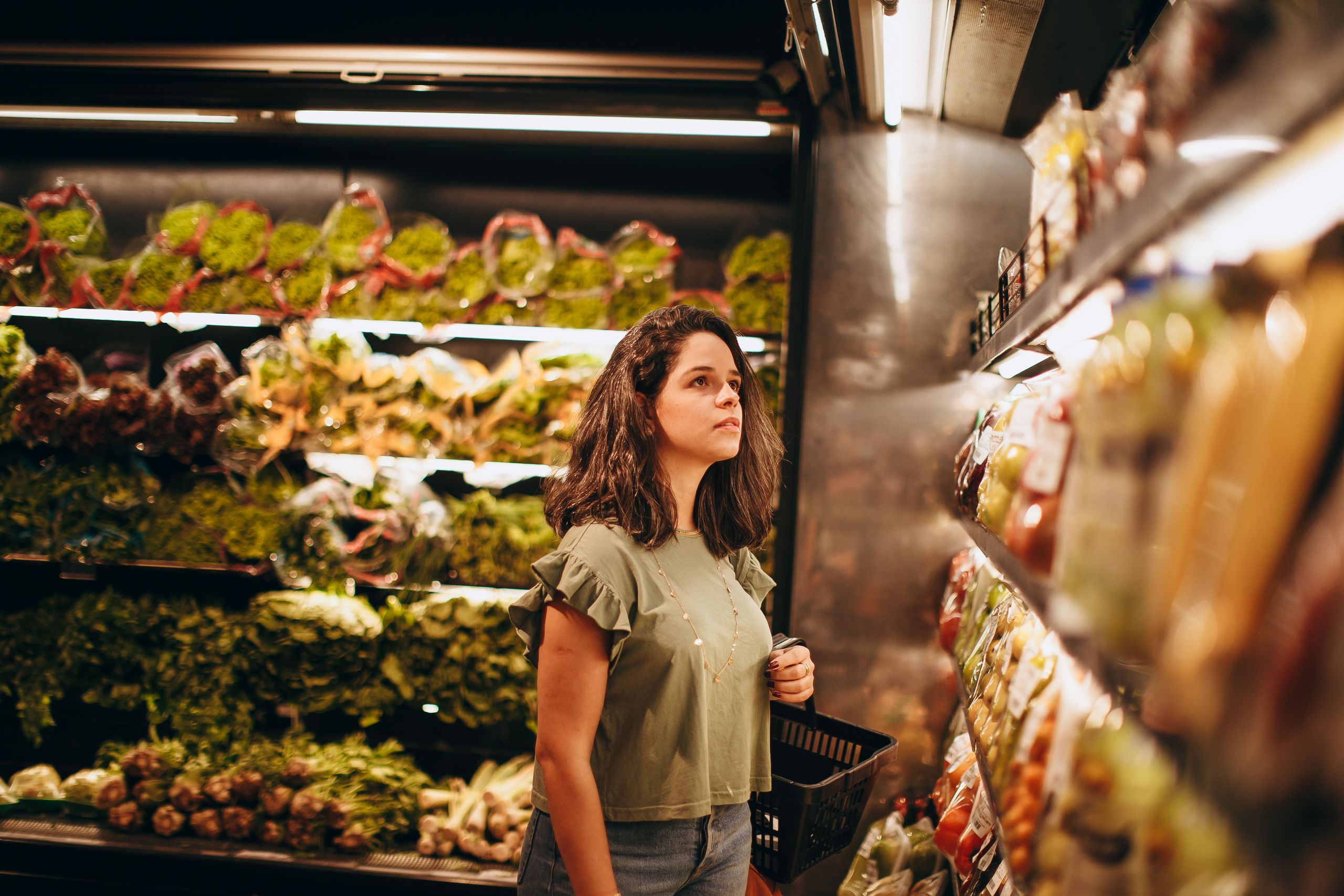
For decades, grocery shopping had one simple promise. The price on the shelf was the price shoppers expected to pay at the register. A paper tag felt boring, but it also felt stable. Families could compare brands, calculate a meal plan, stretch a budget, and make a choice without wondering if the number would change before they reached the checkout lane.
Digital shelf labels change that feeling, even when stores insist they are not changing prices during the day. The screen itself creates doubt because shoppers know technology is built for speed. Once that doubt enters the aisle, every price starts to feel temporary.
A parent buying formula, a retiree counting dollars, or a worker shopping after a long shift should not have to feel like the grocery shelf is watching the clock.
Americans Are Already Tired of Being Priced Like Data
The anger around digital price tags is not just about the tag. It is about the larger feeling that American consumers are being studied, sorted, tracked, and priced in ways they cannot see. Loyalty cards track purchases. Store apps push digital coupons. Delivery platforms adjust fees. Online stores change offers. Banks, advertisers, and retailers already know more about people’s habits than most shoppers realize.
That is why electronic shelf labels hit a nerve. They appear at the exact moment Americans are exhausted by hidden fees, shrinking package sizes, app only discounts, and personalized offers that seem less like rewards and more like traps.
People do not want groceries to become another algorithmic game. They want one clear price, printed plainly, available to everyone, without needing a phone, a password, a loyalty account, or a data profile.
Surge Pricing Belongs Nowhere Near Bread and Milk
Surge pricing may make sense to executives who see every product as a demand curve, but groceries are not concert tickets. A family does not stop needing milk because the price went up at 5 p.m. A diabetic shopper does not suddenly stop needing food because a store decides demand is high. A community preparing for a storm does not have the luxury of waiting for bottled water to calm down.
That is why grocery surge pricing feels so offensive to many Americans. It attacks the emotional foundation of the supermarket. Food is personal. Food is urgent. Food is tied to children, aging parents, medical needs, school lunches, rent pressure, and household survival. Any technology that makes it easier to raise prices quickly will face suspicion, even if retailers promise restraint.
Digital Coupons Have Already Made Shopping Unfair

Many Americans already know what digital exclusion feels like at the store. A sale sign says one price, but the discount only appears after scanning an app, clipping a digital coupon, joining a loyalty program, or entering a phone number. The shopper without a smartphone pays more. The senior who does not understand the app pays more. The exhausted parent who forgets to clip the coupon pays more.
Digital price tags can deepen that frustration because they exist in the same ecosystem. A store may say the shelf price is equal for everyone, but app based savings can quietly create different realities for different shoppers.
One person pays the public price. Another pays the digital price. Another gets a personalized offer. That may sound efficient to retailers, but to shoppers it can feel like punishment for being less connected.
The poorer shopper often pays the higher price.
The cruelest part of modern grocery pricing is that the people who need savings most often face the most barriers. Low income shoppers may have older phones, limited data, no reliable internet, less time to compare apps, or fewer stores nearby. Rural communities and food deserts also limit choice, which gives big chains more power over the final basket total.
Digital pricing can make that imbalance worse if lawmakers do not set firm rules. A shopper with three grocery stores nearby can leave when prices look suspicious. A shopper with one major store in town has fewer options. When technology gives retailers more power and customers fewer clear protections, the most vulnerable households usually pay first.
Retailers Sell Efficiency, But Shoppers Hear Exploitation
Retailers have an easy public relations message. Digital shelf labels reduce manual work, improve price accuracy, help employees find items, and speed up online order picking. Those benefits are real enough. Nobody wants workers wasting hours changing paper tags one by one across thousands of products.
The problem is that Americans have heard the efficiency speech before. Self checkout was sold as convenience, then shoppers found themselves scanning their own groceries under camera surveillance.
App discounts were sold as savings, then customers needed digital chores to access advertised deals. Automation was sold as progress, then workers feared fewer hours, and customers faced colder service. Digital price tags may be useful, but the public has learned to ask who really benefits first.
Lawmakers Are Finally Catching Up

States are beginning to treat grocery pricing technology as a consumer protection issue. Maryland has already moved against surveillance pricing in food retail, targeting the use of personal data to raise prices for shoppers. Other states have considered measures around electronic shelf labels, dynamic pricing, and personalized pricing systems.
That matters because grocery fairness cannot rely on corporate promises alone. A retailer may say today that digital tags will not be used for surge pricing, but laws are built for what companies might do when pressure, competition, or profit targets change. Once the technology is installed across thousands of stores, the temptation to use it more aggressively will not disappear.
One Price for One Product Should Not Be Controversial
The simplest grocery rule should be easy to defend. One product should have one clear price for shoppers in the same store at the same time. That does not mean stores cannot run sales, offer loyalty rewards, or mark down food near expiration. It means essential goods should not become a secret pricing experiment based on personal data, shopping history, location, income signals, or demand spikes.
Americans understand discounts. They understand clearance bins. They understand weekly sales. What they do not trust is a grocery system where the final price depends on a hidden calculation. If the price is fair, show it clearly. If the discount is real, make it easy to access. If the technology is harmless, write rules that keep it harmless.
Digital Price Tags Could Make Receipt Checking a Survival Skill
One likely side effect of electronic shelf labels is that shoppers may become more suspicious of every receipt. People will start taking photos of shelf prices, comparing app prices, checking loyalty discounts, and watching register totals more closely. That is not a sign of healthy innovation. That is a sign that the shopping experience has become stressful.
Grocery stores should not require customers to act like auditors. A mother with two children in the cart should not have to photograph every shelf label. A senior should not need to challenge a cashier over a price mismatch. A worker stopping after a 10 hour shift should not have to wonder if the sale price vanished somewhere between aisle seven and self checkout.
Worker Jobs Could Also Get Caught in the Middle

Digital price tags are usually sold as a way to free workers from repetitive tasks. That can be a good thing if stores actually redirect workers toward customer service, stocking, cleaning, food safety, and better store operations. But many Americans have seen automation become a polite path to leaner staffing.
If digital shelf labels reduce labor hours without improving service, shoppers will feel the loss. Fewer workers mean longer waits, messier shelves, harder to find products, and less help when prices look wrong. A technology that saves time for a company should also improve the store for customers and workers. If it only improves margins, shoppers have every reason to be skeptical.
Digital price tags could become one of the most unpopular changes in American grocery stores because they arrive at the worst possible time. Shoppers are already frustrated by high food costs, smaller packages, confusing discounts, loyalty apps, and checkout totals that feel heavier every month.
A glowing shelf label may look modern, but to many families it feels like one more way for big retailers to gain control over the grocery bill.
The fair path is simple. Digital shelf labels should never become a doorway to surge pricing, surveillance pricing, or app based discrimination. Americans should not need to trade privacy for affordable groceries, and they should not need to race an algorithm to buy dinner at a fair price. If grocery stores want the future, they must make that future clear, honest, and safe for the people paying for it.