A deadly cartel ambush near the Jalisco and Michoacán border in Mexico is not just another foreign crime story that Americans can scroll past. It is a warning sign from a violent system that reaches roads, cities, border policy, drug markets, and family safety far beyond the place where the bullets were fired.
The attack reportedly killed members of Mexico’s security forces and injured others after armed civilians targeted Mexican Army and Mexican National Guard personnel. This was Mexico’s National Guard, not the U.S. National Guard, but the shock still lands close to home because cartel violence does not stay neatly behind a border line.
For Americans, the story matters because cartel power connects to fentanyl deaths, border pressure, human smuggling, law enforcement strain, and the rising fear that criminal networks are becoming bolder. The ambush was not only a local tragedy. It was a brutal reminder that organized crime can turn a public road into a battlefield in minutes.
Cartel Violence Is Getting More Public
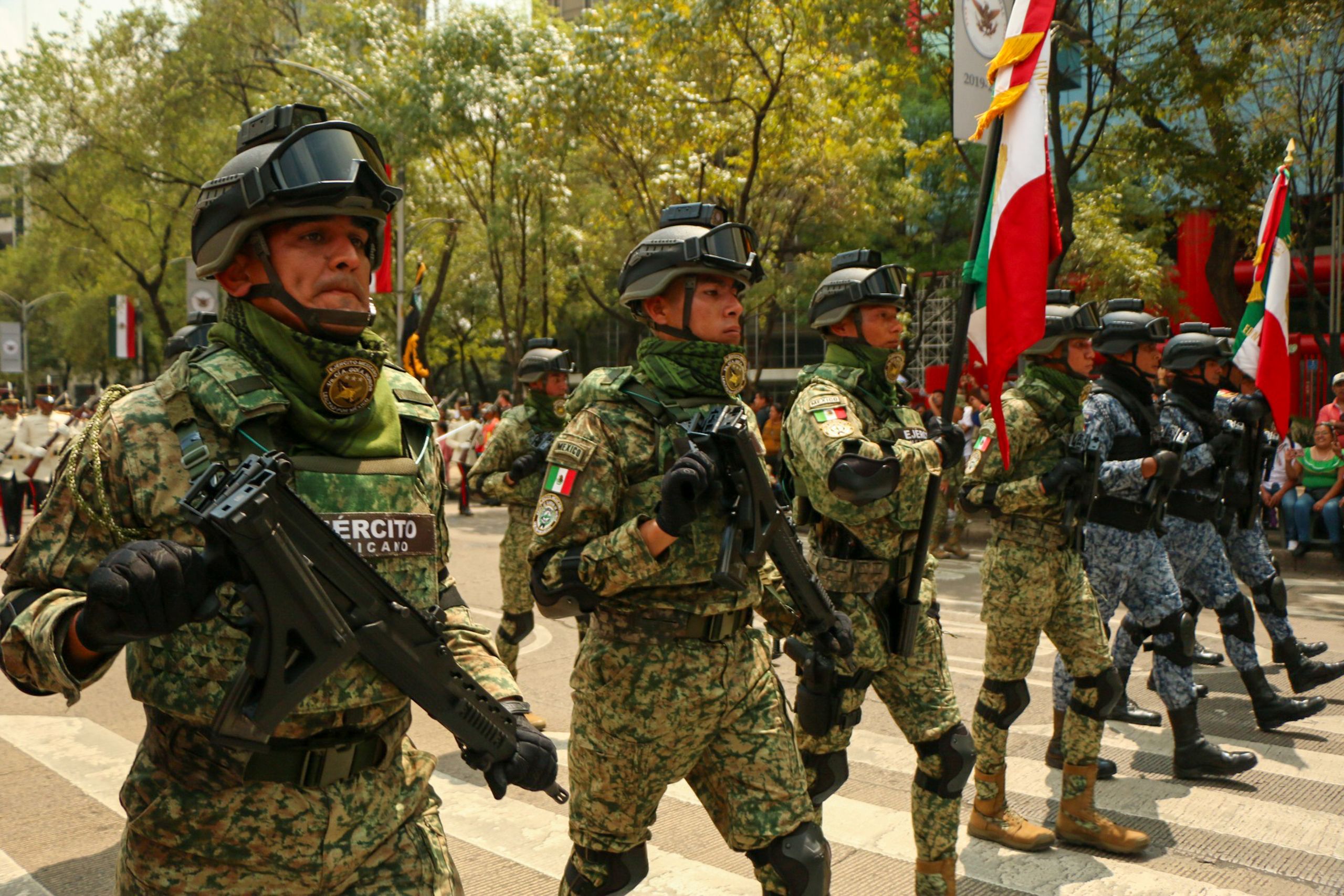
The ambush shows how cartel violence is moving out of hidden spaces and into roads used by workers, families, truckers, and police. Burning vehicles, blocked highways, and gunfire against security forces are not quiet criminal acts. They are public displays of power meant to frighten communities and challenge the government.
Americans should care because public criminal violence creates pressure that travels. When cartels control roads in Mexico, they can control movement, money, drugs, migrants, and fear. That instability can affect border crossings, supply routes, immigration debates, and public safety conversations across the United States.
Fentanyl Makes This A U.S. Family Crisis
For many American families, cartel violence is no longer an abstract border issue. It is tied to fentanyl, a drug that has devastated homes from small towns to major cities. Criminal groups that fight for power in Mexico are often connected to drug routes that eventually feed U.S. streets.
The ambush matters because violence protects illegal markets. When cartels become stronger, more ruthless, and more organized, the drug economy becomes harder to disrupt. American parents, schools, hospitals, and police departments feel the damage when deadly synthetic drugs keep flowing into communities.
Highway Ambushes Threaten Trade And Travel
A highway ambush may sound local, but roads are lifelines. They carry food, medicine, cargo, workers, and travelers. When armed groups burn vehicles or place spikes on roads, they are not only attacking security forces. They are attacking daily life.
Americans rely heavily on trade with Mexico, from groceries to car parts to manufactured goods. If cartel violence spreads across key regions, delays and disruptions can eventually affect prices, supply chains, and business confidence. A blocked road in Mexico can become a cost problem somewhere else.
The Attack Shows Cartels Can Outsmart Patrols
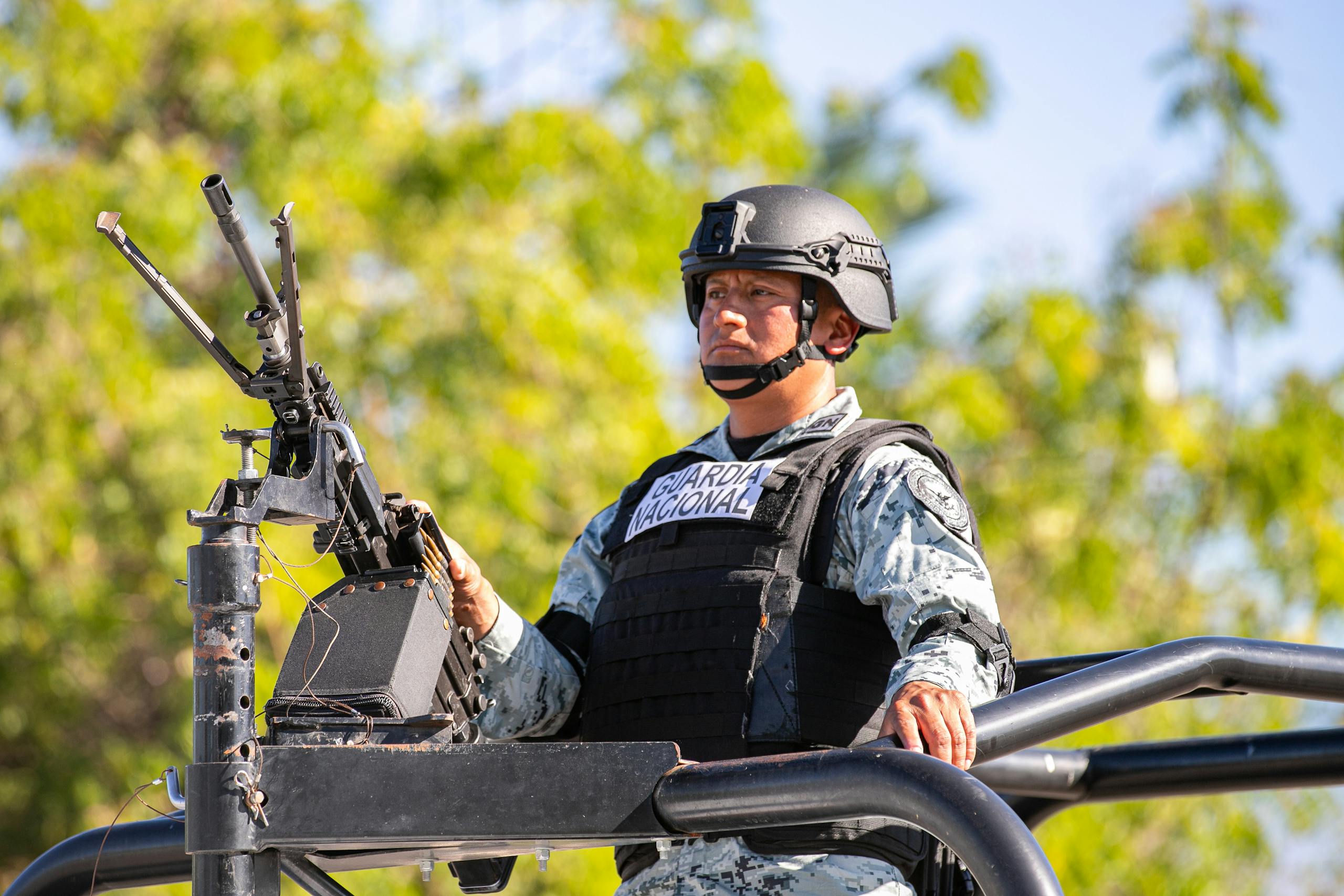
Reports that metal spikes were used to stop a military convoy make the attack even more disturbing. That kind of tactic shows planning. The attackers did not simply open fire at random. They created a trap, forced vehicles to stop, and then struck when security personnel were exposed.
That should worry Americans because organized crime groups learn, adapt, and copy tactics. The more sophisticated cartel attacks become, the harder they are to contain. Border patrol agents, local police, federal investigators, and Mexican security forces all face a more dangerous fight when cartels operate like armed tactical units.
Border Communities Feel The Pressure First
Americans living near the southern border often feel the impact of cartel violence before the rest of the country pays attention. They see the strain on law enforcement, the fear around smuggling routes, and the political tension that comes with every new violent headline.
The ambush adds to that pressure because it shows how dangerous cartel territory can become just across the border region. Even when violence happens inside Mexico, the effects can spill into U.S. border towns through migration pressure, trafficking networks, emergency coordination, and security concerns.
Ordinary People Become Trapped Between Fear And Survival
The victims of cartel violence are not only soldiers and police officers. Ordinary people also suffer when roads close, businesses shut, schools delay activities, and families avoid travel. Fear becomes part of the daily routine.
That is something Americans can understand. Nobody wants to live in a place where getting to work, taking a child to school, or driving home at night becomes a security calculation. The ambush shows how quickly criminal violence can turn normal routines into dangerous decisions.
Cartels Are Challenging Government Authority

An attack on soldiers and National Guard members is also an attack on the authority of the state. It sends a message that armed criminal groups believe they can confront official forces directly. That is a dangerous sign in any country.
Americans should pay attention because strong governments are essential to regional stability. When cartels challenge public authority in Mexico, it affects cooperation with the United States on drugs, migration, weapons trafficking, and organized crime investigations. Weak control in one country creates problems for its neighbors.
Social Media Can Spread Panic Fast
Videos and images from violent incidents often spread online before full facts are confirmed. Burning trucks, masked gunmen, and gunfire clips can create instant fear. Sometimes they inform the public. Other times, they spread confusion faster than officials can respond.
American readers know this pattern well. One violent clip can dominate social media, shape political arguments, and make people feel unsafe even when details are still unclear. Cartel violence is now part of the digital fear cycle, and that makes every attack feel bigger, faster, and more emotionally charged.
The U.S. and Mexico cannot treat this separately.
Cartel violence is a shared problem because the criminal economy is cross border. Drugs move north. Guns and money often move south. Smuggling networks exploit both sides. Political arguments may focus on one border line, but the criminal system does not stop there.
The Mexican National Guard ambush shows why cooperation matters. Mexico needs stronger security and local protection. The United States needs stronger drug enforcement, smarter financial investigations, and better control of illegal weapons flows. One country cannot solve the whole problem alone.
The Human Cost Keeps Growing
Behind every cartel ambush are families who receive devastating news. Security officers killed in the line of duty leave behind parents, spouses, children, friends, and colleagues. Injured survivors may face pain, trauma, and uncertainty long after the headlines fade.
That human cost should not feel distant to Americans. Families in the United States also know what violent crime, drug loss, and public fear can do to a household. The details may differ, but the grief is recognizable. Cartel violence is not just about policy. It is about people paying the price for criminal power.
Conclusion
The deadly ambush near the Jalisco and Michoacán border is a harsh reminder that cartel violence is not a faraway problem with no American connection. It touches drug markets, border pressure, public safety, trade, law enforcement, and the emotional security of families who want to believe the people in charge can keep violence contained.
Americans should see this story as more than a headline from Mexico. It is a warning about what happens when organized crime becomes bold enough to block roads, trap security forces, and challenge government authority in public. The greater danger is not only the gunfire itself. It is the message behind it.
Cartel violence grows when fear becomes normal, when communities feel abandoned, and when criminal networks find profit in chaos. That is why this ambush matters. It shows the cost of a crisis that keeps crossing borders, entering homes, and forcing families on both sides to live with consequences they never asked for.